When inflammation lingers, it rarely stays as a simple medical term. It becomes the swollen knee that still hurts on stairs, the shoulder that wakes you at night, or the tendon injury that never seems to fully settle. Understanding how PBMT reduces inflammation naturally matters because persistent inflammation is often what keeps pain active, slows healing and limits day-to-day function.
Photobiomodulation Therapy, or PBMT, uses specific wavelengths of light to stimulate biological repair. It is also known as Low-Level Laser Therapy. This is not a heat-based treatment and it does not damage tissue. Instead, it delivers light energy into the affected area to support the body’s own healing processes, especially in tissues where inflammation has become prolonged or poorly regulated.
Why inflammation becomes a problem
Inflammation is not always the enemy. In the early stage after an injury, it is part of normal healing. The body increases blood flow, sends immune cells to the area and begins tissue repair. That short-term response is useful.
The problem starts when inflammation becomes excessive, persists for too long, or continues after the original tissue damage should have settled. This can happen with osteoarthritis, tendinopathy, bursitis, repetitive strain injuries, muscle tears, ligament sprains and many chronic pain conditions. In these cases, inflammatory chemicals continue to irritate local tissues and sensitise nearby nerves. The result is often a cycle of pain, swelling, stiffness and reduced movement.
For many patients, medication can reduce symptoms but may not address the local tissue dysfunction driving the problem. That is one reason PBMT has become such a valuable option in musculoskeletal care.
How PBMT reduces inflammation naturally at a cellular level
To understand how PBMT reduces inflammation naturally, it helps to look at what happens inside the cell. PBMT works by delivering light photons into tissue, where they are absorbed by structures within cells, particularly the mitochondria. Mitochondria are responsible for producing cellular energy in the form of ATP.
When injured or inflamed tissue is under stress, cellular energy production can be impaired. PBMT helps improve mitochondrial function, which means cells have more energy available for repair, recovery and normal regulation. This matters because inflamed tissue is not just irritated – it is often metabolically inefficient.
As cellular function improves, several helpful changes can occur. PBMT has been shown to influence inflammatory mediators, helping reduce the production of pro-inflammatory chemicals while supporting anti-inflammatory activity. It can also improve local microcirculation and lymphatic flow, which assists in clearing inflammatory waste products and excess fluid from the area.
In practical terms, this means the treatment is not simply masking pain. It is helping create a better environment for tissue healing.
What this means for pain and recovery
Inflammation and pain are closely linked, but they are not exactly the same thing. Inflamed tissue often presses on surrounding structures, increases sensitivity in local nerves and limits normal movement patterns. Once that process continues for weeks or months, even simple activities can become difficult.
By reducing inflammation, PBMT may help ease pain indirectly through improved tissue health, and directly through effects on nerve sensitivity. Many patients notice that as swelling and irritation settle, movement becomes easier and less guarded. That can be particularly important for joints and soft tissues that stiffen quickly when pain causes underuse.
This is why PBMT is commonly used for conditions such as tendon injuries, neck and back pain, frozen shoulder, tennis elbow, plantar fasciitis, knee pain and arthritic joint irritation. The exact response depends on the diagnosis, severity, duration of symptoms and whether there are contributing factors such as overload, degeneration or biomechanical strain.
How PBMT reduces inflammation naturally in different conditions
Not all inflammation behaves the same way. Acute inflammation after a recent sprain is different from the low-grade persistent inflammation seen in osteoarthritis, and both differ again from the reactive irritation around a chronically overloaded tendon.
In acute injuries, PBMT is often used to help limit excessive inflammatory response and support faster tissue repair. The goal is not to stop healing, but to keep it well-regulated so swelling, pain and delayed recovery do not become larger problems.
In chronic conditions, the aim is often to shift tissue out of a stalled state. Chronically irritated structures may have poor local circulation, reduced cellular efficiency and ongoing biochemical irritation. PBMT can help restore a healthier repair response, which is why it is often useful in cases where standard rest, anti-inflammatories or basic rehabilitation have not been enough.
With osteoarthritis, there is a further layer to consider. PBMT does not reverse structural joint wear in the way people sometimes hope for, but it may help reduce inflammatory irritation within and around the joint, improve comfort and support better movement. For many people, that can make exercise and strengthening more manageable, which is a key part of long-term joint care.
Why PBMT appeals to patients seeking a drug-free option
Many people looking into laser therapy are not only asking whether it works. They are also asking whether it is safe, whether it will interfere with other treatments and whether there is a way to reduce pain without relying more heavily on medication.
That is where PBMT has a clear advantage. It is non-invasive, does not involve injections or surgery, and is generally well tolerated across a wide age range. Treatment is painless and comfortable for most patients. There is no recovery downtime in the usual sense, which means people can usually continue with work, family responsibilities and rehabilitation exercises.
That said, a clinically responsible approach still matters. PBMT should be matched to the right diagnosis, treatment parameters and body region. More treatment is not always better, and poorly targeted care can be less effective. This is one reason medically supervised assessment is important, especially when pain has been ongoing, symptoms are changing, or the diagnosis is unclear.
What to expect from treatment
PBMT is typically delivered over a series of sessions rather than as a one-off fix. Some acute conditions respond quickly, while long-standing inflammation usually requires a more structured plan. The number of treatments depends on the tissue involved, how chronic the condition is and how the body responds.
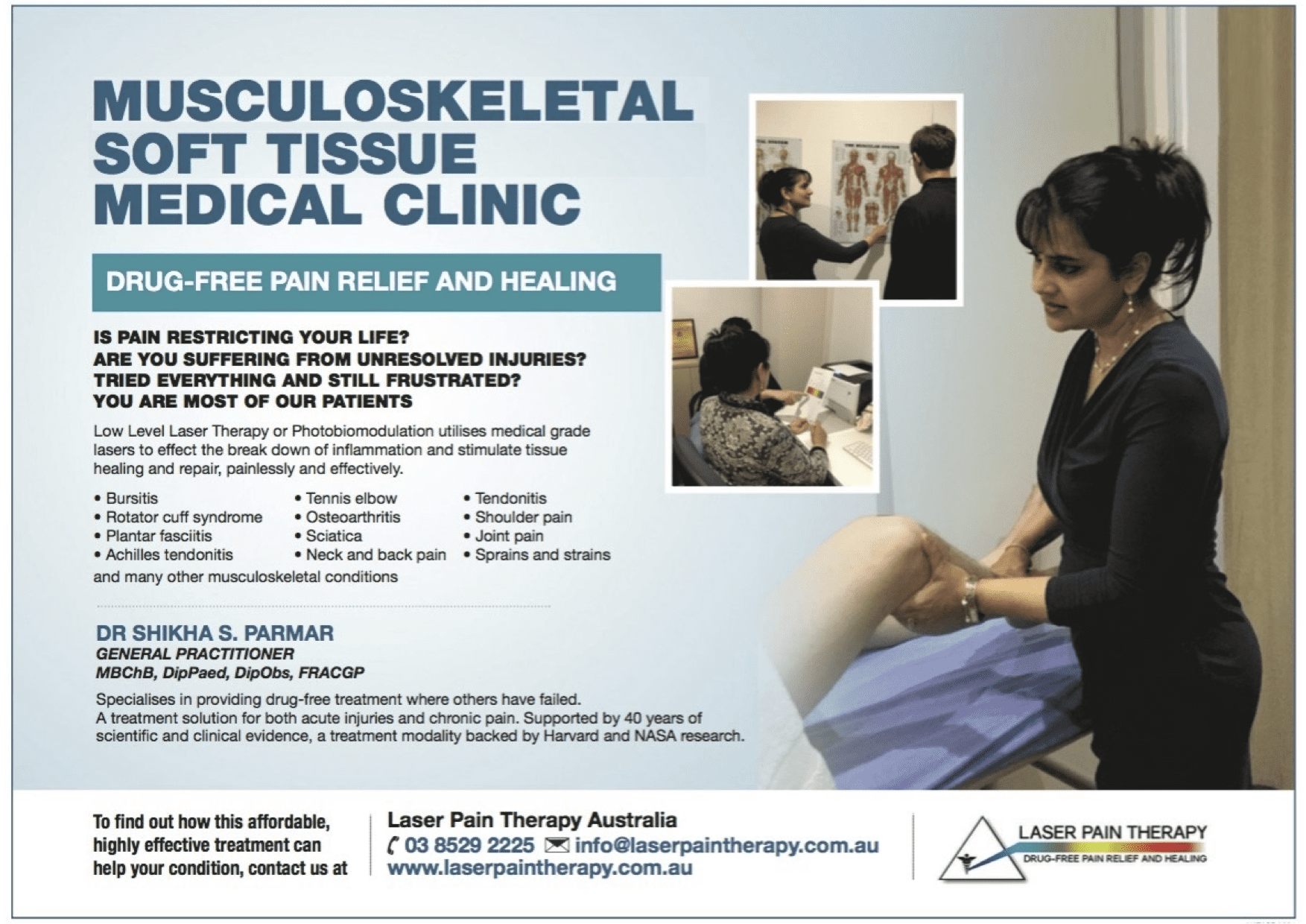
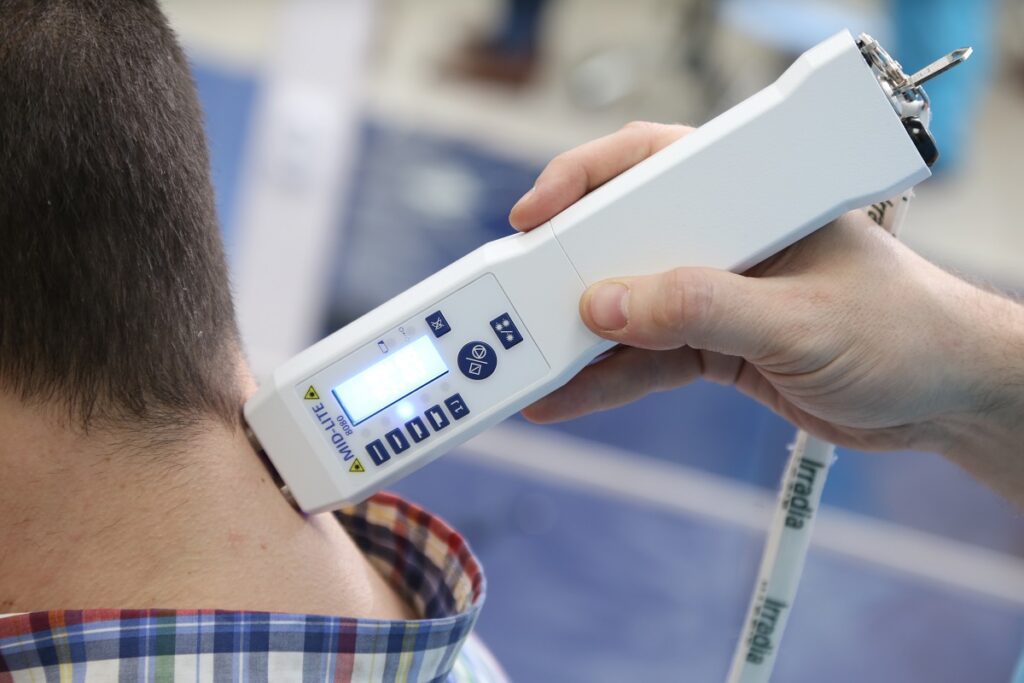
During a session, the laser is applied to the affected area using settings selected for the tissue depth and treatment goal. Patients often ask whether they will feel anything. Some feel mild warmth, while others feel very little during the session itself. The effect is biological rather than dramatic or forceful.
Improvement can show up as reduced pain, less morning stiffness, easier walking, better sleep, or less post-activity flare-up. Those functional gains are often more meaningful than a simple pain score because they reflect a change in how the tissue is coping with daily load.
Evidence matters, but so does clinical judgement
PBMT is backed by a growing body of research in pain, inflammation and tissue healing. That evidence is one reason it has gained attention well beyond wellness settings. Still, good medicine always involves nuance.
Not every painful condition is primarily inflammatory. Some symptoms are driven more by nerve irritation, mechanical compression, central sensitisation or advanced structural change. PBMT may still have a role in some of those cases, but expectations need to be realistic. It works best when treatment is based on careful assessment rather than a generic promise.
That is also why patients with persistent pain often benefit from a clinic model that reviews the diagnosis, considers previous treatment failures and builds an individualised plan. At Laser Pain Therapy, this doctor-led approach is designed to give PBMT the best chance of producing meaningful results rather than short-lived symptom relief.
When natural inflammation control can change the bigger picture
For many patients, the real value of PBMT is not only that it reduces inflammation. It is that lower inflammation can make other parts of recovery possible again. A calmer joint can move better. A less reactive tendon can tolerate strengthening. A reduction in pain can improve sleep, walking, confidence and consistency with rehabilitation.
That wider effect matters, especially in chronic pain, where progress is often lost because each flare-up resets the process. If treatment can reduce the inflammatory burden without adding medication side effects or procedural downtime, it may help patients regain momentum in a way that feels sustainable.
If you have been dealing with pain that keeps returning, or inflammation that never seems to fully settle, the next useful question is not whether you can simply push through it. It is whether the tissue has the right conditions to heal.
Contact us today to arrange your consultation and take the first step towards recovery.
Located in Melbourne
(03) 8529 2225 Contact Us