Plantar Fasciitis Treatment Using LLLT/PBMT
Persistent Heel Pain / Plantar Fasciitis?
GP-led assessment and non-invasive LLLT/PBMT at our Melbourne clinic.
Structured six-week program with progress review.
Book an Initial Consultation
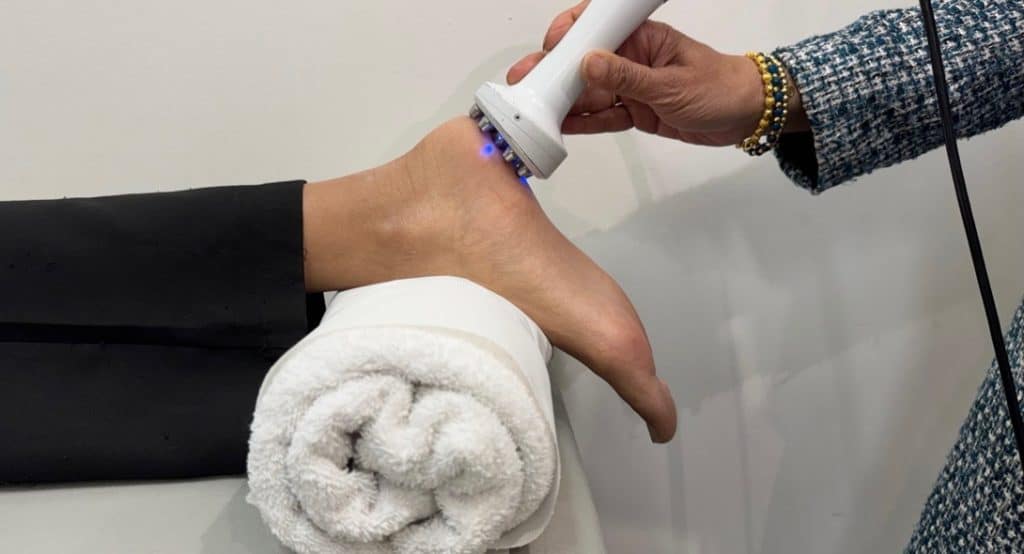
Low Level Laser Therapy (LLLT), also known as Photobiomodulation Therapy (PBMT), uses red and near-infrared light applied over targeted areas. In our clinic it is used as part of a GP-led treatment approach for selected musculoskeletal pain and injury presentations, including plantar fasciitis and related plantar fascia pain.
PBMT/LLLT is non-invasive and generally well tolerated. Suitability and response vary, and treatment recommendations depend on the diagnosis, severity, duration of symptoms and individual clinical factors. PBMT/LLLT has been studied for a range of musculoskeletal pain and injury conditions. See our references page for supporting literature.
Gentle. Drug-Free. Evidence-Informed
Key Points
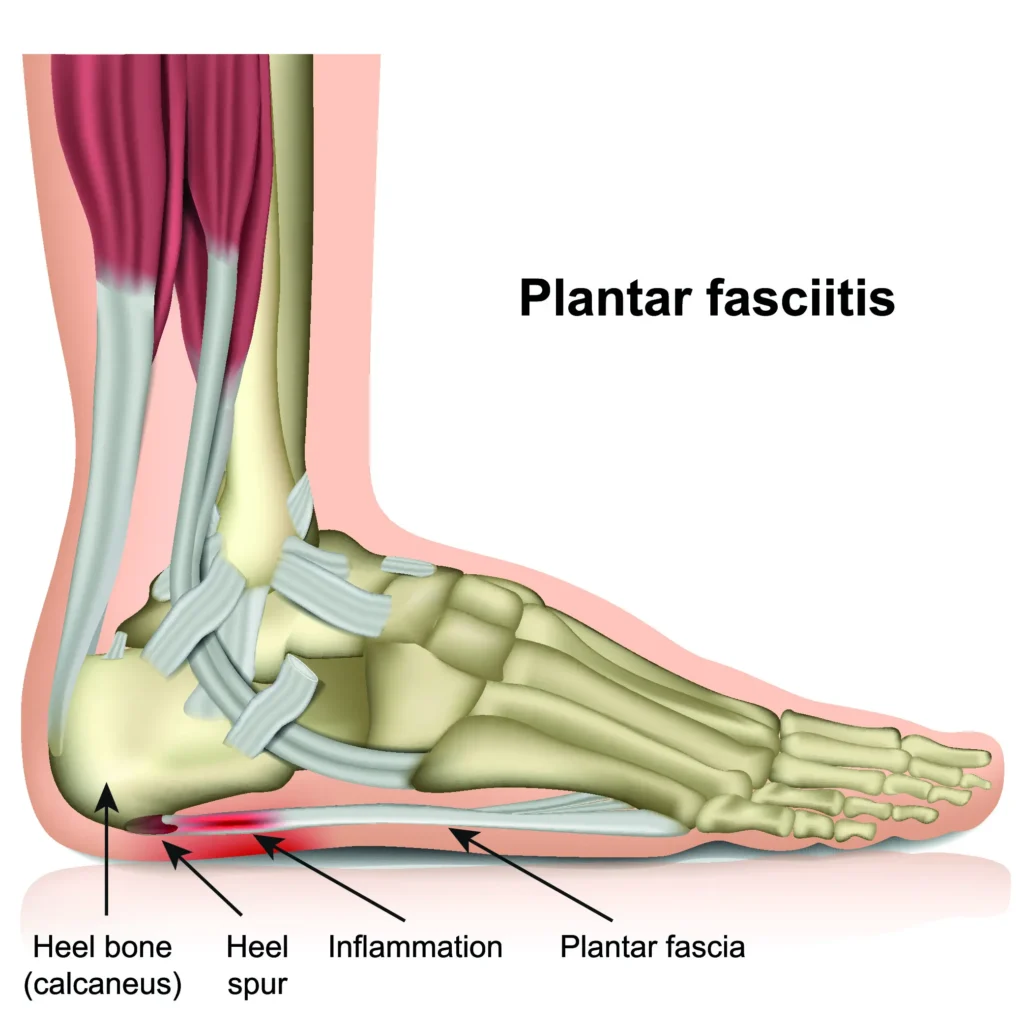
- Plantar fasciitis refers to inflammation or irritation of the plantar fascia, the thick band of tissue running along the bottom of the foot from the heel to the toes.
- Common symptoms include sharp heel pain, especially in the morning or after inactivity, often easing as the foot starts moving.
- The condition is often related to repetitive stress, overuse, poor footwear, unaccustomed walking or altered foot mechanics, leading to irritation and micro-tears in the fascia.
- Standard treatments such as rest, ice, stretching, orthotics and anti-inflammatory medication may provide temporary relief for some people, but are not suitable or effective for everyone.
- Low Level Laser Therapy (LLLT), or Photobiomodulation Therapy (PBMT), is considered for selected plantar fasciitis presentations where fascial irritation, pain or local inflammatory processes are contributing to symptoms.
- LLLT may be particularly relevant where pain limits walking or rehabilitation, or where stretching and loading aggravate sensitive tissue.
- At Laser Pain Therapy, treatment is GP-led by Dr Shikha Parmar and delivered as part of a structured six-week program.
- LLLT can be considered for people with persistent plantar fasciitis who have not improved with usual conservative care, after appropriate medical assessment.
What is Plantar Fasciitis?
Plantar fasciitis is one of the most common causes of heel pain. It affects the plantar fascia, the thick fibrous band of connective tissue that extends from the heel to the toes.
It often results from overuse or abnormal stress on the foot, leading to inflammation and small tears in the tissue. These micro-tears can accumulate over time and contribute to ongoing pain and sensitivity.
Causes and Risk Factors
Plantar fasciitis is commonly associated with repetitive stress or overuse, especially in people who undertake high-impact activity. Contributing factors include:
- Repetitive stress or overuse, such as running, jumping, over-training or prolonged standing
- Sudden changes in training surfaces, such as switching from grass to bitumen
- Unaccustomed use, such as starting a walking routine for fitness
- Improper footwear, including shoes with poor support or worn-out cushioning
- Tight calf muscles, which can increase strain on the plantar fascia
- Age-related loss of elasticity and resilience in the plantar fascia
- Occupational factors involving prolonged standing
Being flat-footed does not directly cause plantar fasciitis, nor does it prevent effective recovery. Plantar fasciitis can also occur without an obvious cause.
Symptoms
- Sharp heel pain, especially first thing in the morning or after long periods of inactivity
- Pain that improves with movement but may return after prolonged standing or walking
- Stiffness in the foot on waking or after sitting
- Tenderness at the bottom of the heel when pressing or taking the first steps after rest
- Visible swelling of the heel in some cases
- Pain aggravated by running, walking or prolonged standing
How is Plantar Fasciitis Diagnosed?
Diagnosis usually involves a detailed assessment by Dr Shikha Parmar, including the onset and pattern of pain, aggravating and relieving factors, and a physical examination of foot alignment, flexibility and areas of tenderness.
Ultrasound or MRI may be used in chronic cases to assess soft tissue damage and inflammation of the plantar fascia and related structures.
Heel spurs or bony prominences on X-ray often accompany plantar fasciitis but are not usually the direct cause of symptoms and do not prevent recovery.
Plantar Fasciitis – Treatment Overview
Low Level Laser Therapy (LLLT), also known as Photobiomodulation Therapy (PBMT), is a non-invasive treatment approach used as part of a structured program for selected plantar fasciitis presentations. It may help modulate pain and local inflammatory processes and support fascial and soft tissue recovery without adding mechanical stress to the vulnerable plantar fascia.
Why Consider Low Level Laser Therapy (LLLT)?
Many patients present after limited relief from icing, stretching, massage, orthotics, anti-inflammatory medication, cortisone, PRP or exercise programs. These standard treatments may ease symptoms temporarily, but are not suitable for every stage of recovery, especially if stretching or loading aggravates sensitive fascial tissue.
Why ice, anti-inflammatories, cortisone, and PRP may not support long-term recovery. Read more here.
How LLLT Supports Healing
LLLT uses red and near-infrared light and may support:
- Helping modulate inflammation and oxidative stress
- Local circulation and oxygenation
- Lymphatic drainage
- Cellular energy production (ATP)
- Collagen, fascial and soft tissue recovery processes where irritation is present
- Assisting pain reduction without mechanical loading or stressing the plantar fascia

Non-Invasive and Supported by Research
PBMT/LLLT is non-invasive and generally well tolerated. It has been studied in a range of musculoskeletal pain and injury conditions. Individual responses vary, and outcomes depend on the condition being treated and the stage of recovery. Read more here.
See how LLLT may support the cellular environment involved in tissue recovery here.
Our Treatment Program
All patients are assessed by Dr Shikha Parmar (GP). Treatment is delivered within a structured six-week program, including:
- Up to 12 LLLT sessions
- Early progress review after the first 6 treatments
- Individualised advice and activity modification
- Guided rehabilitation to support longer-term function
Progress is reviewed during the program. Many patients notice appreciable improvement after the first 6 treatments. If there has not been sufficient improvement by this review point, further treatment may not be recommended.
View the full treatment protocol and expected outcomes here.
Ready to Discuss Your Plantar Fasciitis Treatment Options?
If you are struggling with persistent plantar fasciitis pain, we invite you to contact our team at Laser Pain Therapy to discuss the suitability of LLLT for your presentation. Treatment suitability and outcomes vary, and assessment is required before recommendations can be made.
Contact us today to arrange your consultation.
📍 Located in Melbourne
📞 (03) 8529 2225 Contact Us