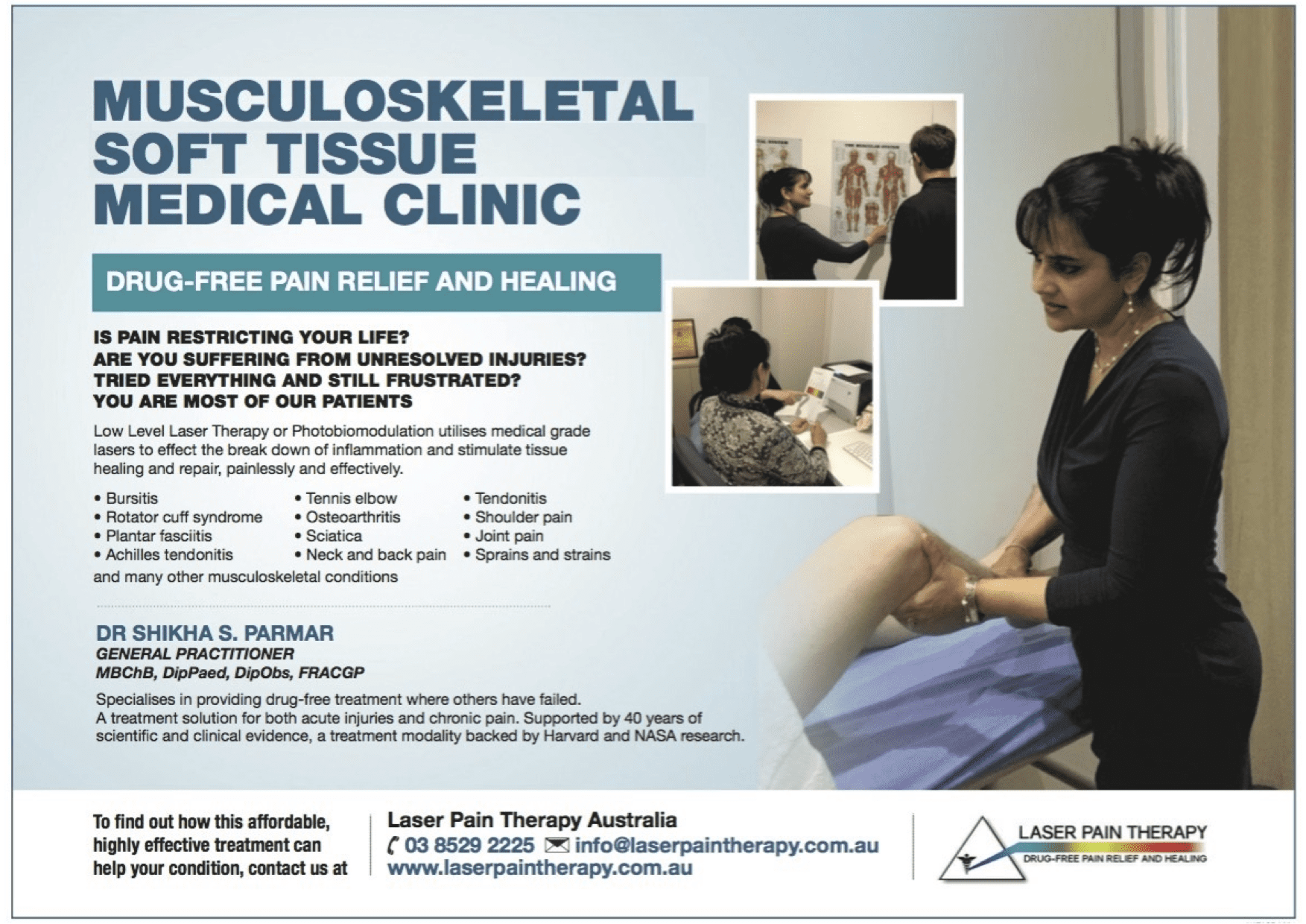
Treatment of Neck & Cervical Spine Pain Using LLLT/PBMT
Gentle. Drug-Free. Evidence-Informed
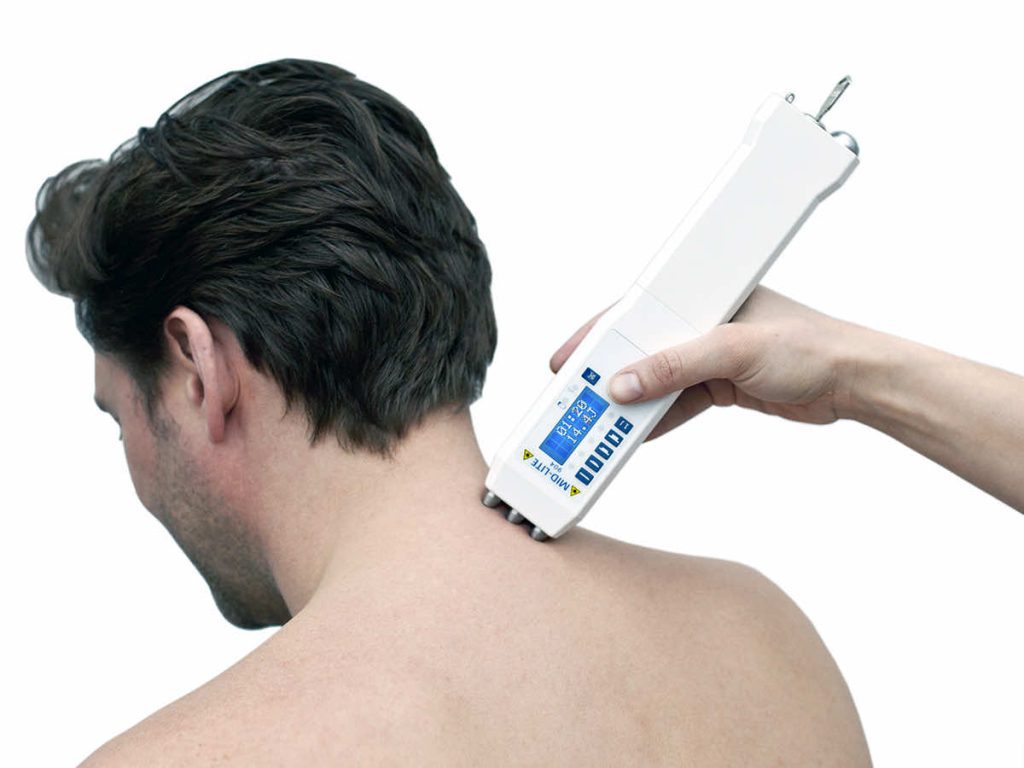
Low Level Laser Therapy (LLLT), also known as Photobiomodulation Therapy (PBMT), uses red and near-infrared light applied over targeted areas. In our clinic it is used as part of a GP-led treatment approach for selected musculoskeletal pain and injury presentations, including neck and cervical spine pain. PBMT/LLLT is non-invasive and generally well tolerated. Suitability and response vary, and treatment recommendations depend on the diagnosis, severity, duration of symptoms and individual clinical factors. PBMT/LLLT has been studied for a range of musculoskeletal pain and injury conditions. See our references page for supporting literature.
Key Points
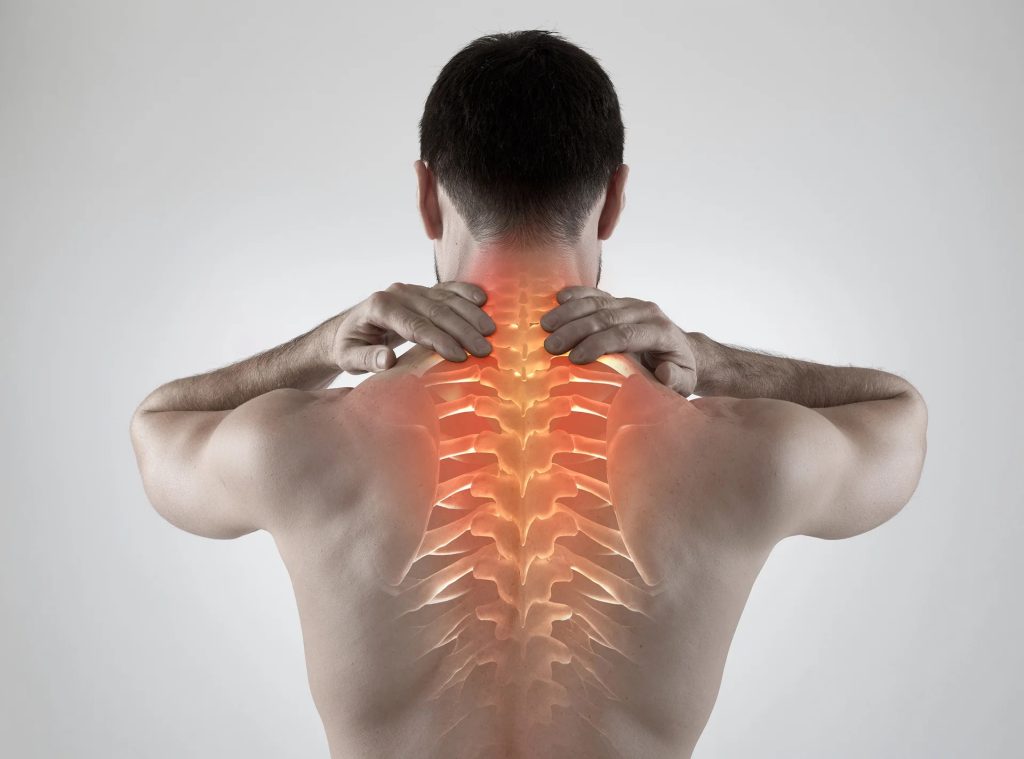
- Neck pain and cervical spine disorders are common and may arise from trauma, poor posture, repetitive strain, or degenerative changes affecting joints, discs, or nerves.
- Symptoms may include neck stiffness, sharp or burning pain, arm tingling or weakness (cervical radiculopathy), and difficulty with movement or daily tasks.
- Many cases involve musculoskeletal causes such as strained muscles, sprained ligaments, disc bulges, or nerve irritation, often worsened by inflammation and postural stress.
- Low Level Laser Therapy (LLLT), or Photobiomodulation Therapy (PBMT), may be considered for selected neck and cervical spine presentations where inflammation, soft tissue injury or nerve irritation is contributing to symptoms.
- LLLT may be particularly relevant for sensitive or persistent neck conditions where pressure, stretching, or repeated movement can aggravate symptoms, and where conventional treatments have provided only temporary or partial relief.
- Some commonly used approaches, such as ice, anti-inflammatories, cortisone injections or repeated loading, may not be suitable for every stage of recovery. We provide advice based on the diagnosis, symptom severity and clinical assessment.
- Treatment is GP-led by Dr Shikha Parmar and delivered under medical supervision as part of a structured, six-week program tailored to your needs.
- PBMT/LLLT has been studied in a range of musculoskeletal pain and injury conditions and is generally well tolerated. Individual responses vary, and outcomes depend on the condition being treated and the stage of recovery.
- May be helpful to consider for people with persistent neck pain or nerve-related symptoms who have not improved with usual conservative care, after appropriate medical assessment.
What is Neck Pain or Cervical Spine Pain?
Neck pain is an extremely common condition, affecting people of all ages and often interfering with work, daily life, and sleep. It is one of the leading causes of musculoskeletal disability worldwide. Many individuals experience neck pain at least once, and for some, it becomes a recurring or chronic issue.
While mild neck pain may resolve with rest and self-care within a couple of weeks, more serious or poorly managed injuries can lead to chronic and debilitating symptoms. Low-Level Laser Therapy (LLLT), also known as Photobiomodulation Therapy (PBMT), may be considered as a non-invasive treatment option for selected acute and chronic neck pain presentations after assessment.
Causes of Neck Pain
Cervical pain can develop from:
- Sudden trauma (e.g. whiplash from a car accident, sports injuries)
- Poor posture (especially during prolonged screen time)
- Repetitive strain (e.g. frequent overhead work or looking down at devices)
- Degenerative disc or joint changes
- Muscle imbalances or fatigue
Even subtle muscle dysfunction can create long-term joint instability, leading to micro-trauma in the cervical spine over time.
Common Causes:
- Acute Injury: Sudden movements, falls, or whiplash can cause strains, sprains, or disc herniations that lead to neck pain and potential nerve compression.
- Chronic Stress: Poor posture, prolonged desk work, or repetitive activities can create sustained micro-injuries that accumulate and result in significant neck dysfunction.
- Degeneration and Disc Disorders: With age or overuse, the cervical vertebrae and discs may degenerate, potentially leading to nerve impingement and radicular symptoms (pain radiating into the arms).
Muscle or Ligament Injury
Much of cervical pain is musculoskeletal in origin, often referred to as non-specific neck pain. These injuries frequently involve muscular strain, ligament sprains, or facet joint dysfunction.
Ligaments in the neck stabilise the vertebrae and prevent excessive movement. Rapid or forceful movement can tear these ligaments, causing pain, inflammation, and muscle guarding. Common causes include awkward lifting, high-speed impacts (such as car accidents), and sports-related trauma.
Bulging or Herniated Cervical Discs
The discs between the vertebrae in your neck act as cushions, providing flexibility while protecting spinal nerves. When the disc material bulges or herniates, it can press on nerve roots, leading to:
- Neck pain
- Muscle spasms
- Tingling or numbness
- Pain radiating into the shoulder, arm, or hand (cervical radiculopathy)
Disc injury can result from either acute trauma or long-term repetitive strain. Over time, this may weaken the disc’s outer structure (annulus), allowing the inner gel (nucleus) to protrude and irritate nearby nerves.
Importantly, some disc abnormalities can exist without causing pain, but when symptoms occur, they often indicate nerve involvement that needs targeted care.
Cervical Radiculopathy: Nerve Root Irritation
Cervical radiculopathy occurs when a nerve root in the neck becomes compressed or inflamed, usually due to:
- A herniated or bulging cervical disc
- Degenerative disc disease or arthritis
- Bone spurs (osteophytes)
- Spinal stenosis (narrowing of the spinal canal)
Symptoms
- Sharp or burning pain in the neck, shoulder, or arm
- Stiffness in neck muscle
- Pain with certain neck movements or prolonged held postures
- Numbness or tingling down the arm or into the fingers
- Muscle weakness in the upper limb
- Worsening symptoms with neck movement or certain postures
How is Neck Pain/Cervical Pain Diagnosed?
Diagnosing neck pain or cervical spine pain typically involves a detailed clinical evaluation by a healthcare professional. Dr Shikha Parmar will start by reviewing your symptoms, medical history, and any factors that may have contributed to your condition. The diagnosis may be further supported by a physical examination, where the physician assesses muscle strength, range of motion, and any areas of tenderness or irritation.
Key Diagnostic Tools:
- Medical History: A review of your daily activities, work habits, posture, and any previous injuries or conditions contributing to the pain.
- Physical Examination: Includes palpation (feeling for areas of tenderness), testing range of motion, and assessing nerve function.
- Imaging: X-rays, MRI, or ultrasound may be used to assess structural damage, such as disc herniations, ligament sprains, or signs of osteoarthritis.
- Nerve Tests: In cases where nerve involvement is suspected (e.g., cervical radiculopathy), additional tests such as electromyography (EMG) or nerve conduction studies may be recommended to evaluate nerve function and identify any compression or irritation.
This thorough diagnostic approach ensures an accurate diagnosis and helps guide the most appropriate treatment plan.
Neck Pain & Cervical Spine Pain – Treatment Overview
Why Consider Low Level Laser Therapy (LLLT)?
Low Level Laser Therapy (LLLT), also known as Photobiomodulation Therapy (PBMT), is a gentle, non-invasive treatment approach that may help modulate inflammation, calm irritated nerves and support tissue recovery. It may be suited to selected neck and cervical spine conditions where pressure, stretching, or movement often worsens symptoms.
Why We Use LLLT
Many patients come to us after trying conventional treatments that only provide short-term or limited relief. LLLT works differently by targeting biological processes associated with inflammation, tissue stress and nerve irritation while avoiding drugs, injections, or invasive procedures.
Why ice, anti-inflammatories, cortisone, and PRP may not support long-term recovery. Read more here.
How LLLT Supports Healing
LLLT uses red and near-infrared light to:
- Help modulate inflammation and oxidative stress
- Support local circulation and lymphatic drainage
- Support cellular energy production (ATP)
- Support nerve recovery processes where nerve irritation is present
- Assist pain reduction without mechanical stress
Non-Invasive and Supported by Research
PBMT/LLLT is non-invasive and generally well tolerated. It has been studied for a range of musculoskeletal pain and injury conditions. See our references page for supporting literature.
See how LLLT may support the cellular environment involved in tissue recovery here.
Our Treatment Program
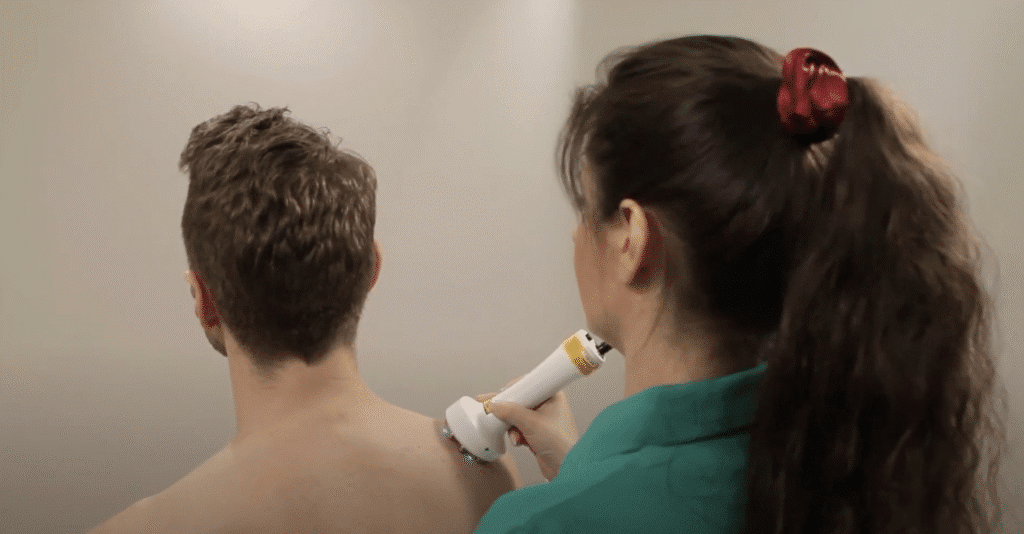
Every patient receives a medical assessment with Dr Shikha Parmar (GP) to confirm the diagnosis and assess whether LLLT is suitable. Our structured six-week program includes:
- Up to 12 LLLT sessions
- Early progress review after the first 6 treatments
- Personalised injury and activity advice
- A guided rehabilitation plan to support longer-term function
Progress is reviewed during the program. Many patients notice appreciable improvement after the first 6 treatments. If there has not been sufficient improvement by this review point, further treatment may not be recommended.
View the full treatment protocol and expected outcomes here.
When is Surgery Considered?
Surgery is not required for most neck pain presentations. It may be appropriate for severe or progressive symptoms such as persistent arm pain, neurological deficits, or confirmed structural compression, particularly when conservative options are not suitable or have not helped.
Ready to Discuss Your Neck Pain Treatment Options?
If you are struggling with chronic neck pain or nerve-related symptoms, we invite you to contact our team at Laser Pain Therapy to discuss whether LLLT may be suitable for your presentation. Treatment suitability and outcomes vary, and assessment is required before recommendations can be made.
Contact us to arrange your consultation. Located in Melbourne
 (03) 8529 2225 Contact Us
Clinical content reviewed by Dr Shikha Parmar, MBChB, DipPaed, DipObs, FRACGP
Last reviewed: August 2026