Tendonitis Treatment with LLLT/PBMT
Low Level Laser Therapy (LLLT), also known as Photobiomodulation Therapy (PBMT), uses red and near-infrared light applied over targeted areas. In our clinic it is used as part of a GP-led treatment approach for selected musculoskeletal pain and injury presentations, including selected tendonitis presentations.
PBMT/LLLT is non-invasive and generally well tolerated. Suitability and response vary, and treatment recommendations depend on the diagnosis, severity, duration of symptoms and individual clinical factors. PBMT/LLLT has been studied for a range of musculoskeletal pain and injury conditions. See our references page for supporting literature.
Gentle. Drug-Free. Evidence-Informed
Key Points:
- Tendonitis is inflammation or irritation of a tendon, often caused by overuse, repetitive strain or sudden injury.
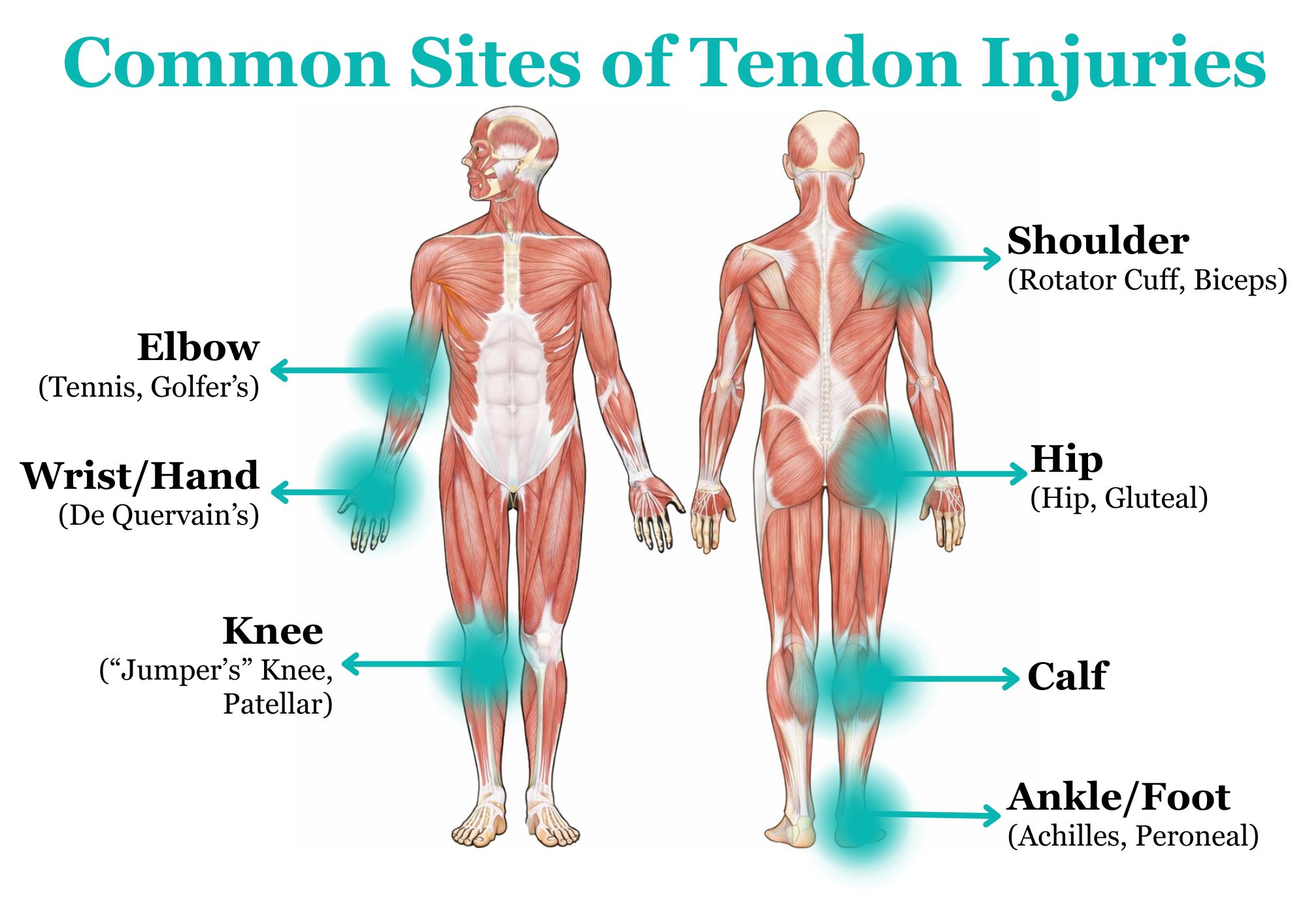
- Common sites include the wrist, elbow, shoulder, hip, patellar tendon, Achilles tendon, calf tendons and foot tendons.
- Symptoms include localised tendon pain, swelling, stiffness, tenderness and reduced strength or function.
- Standard treatments such as ice, anti-inflammatory medication, cortisone injections, rest, splints, massage or exercise may provide temporary relief for some people, but are not suitable or effective for everyone.
- Low Level Laser Therapy (LLLT), or Photobiomodulation Therapy (PBMT), is considered for selected tendonitis presentations where tendon irritation, pain or local inflammatory processes are contributing to symptoms.
- LLLT may be particularly relevant where pain limits rehabilitation or where loading, stretching or exercise aggravates sensitive tendon tissue.
- Treatment is GP-led by Dr Shikha Parmar and delivered as part of a structured six-week program with activity advice and rehabilitation support.
- LLLT can be considered for people with persistent tendonitis who have not improved with usual conservative care, after appropriate medical assessment.
What is tendonitis
Tendonitis is inflammation of a tendon, often caused by repetitive strain or overuse. A tendon is a strong, flexible band of fibrous tissue that connects muscle to bone and transmits force to allow movement.
Tendonitis may result from sudden injury or repeated excessive stress placed on the tendon, leading to swelling, pain and reduced range of motion.
Why Tendons Heal Slowly
Unlike muscles, tendons have a lower blood supply. This means they receive less oxygen and fewer nutrients, so natural repair processes can be slower. Tendons are also exposed to repeated loading during everyday movement, which can prolong symptoms if activity is not managed carefully.
Causes of Tendonitis
- Repetitive movements that strain tendons over time
- Overuse injuries from excessive activity without adequate recovery
- Poor technique or form during physical activities
- Age-related loss of tendon elasticity
- Occupational tasks involving repetitive movement, awkward posture, vibration or forceful exertion
- Sports such as tennis, golf, swimming and running that involve repetitive tendon loading
Common Tendons/Sites Involved
Tendonitis occurs when a tendon becomes irritated or inflamed. Common tendons and sites affected by tendonitis include:
- Rotator Cuff Tendons, around the shoulder, often affected by overhead activity. Read more here.
- Tennis Elbow (Lateral Epicondylitis) involving the outer elbow and forearm tendons. Read more here.
- Golfer’s Elbow (Medial Epicondylitis): Involving the inner elbow and wrist flexor tendons. Read more here.
- Tendonitis of the Wrist and Hand: Common with repetitive typing, lifting or gripping. Read more here.
- Hip Tendons (Hip Tendonitis/Gluteal Tendinopathy): Including gluteal tendons, often presenting as lateral hip pain. Read more here.
- Patellar Tendon: often affected by jumping or squatting. Read more here.
- Calf Tendons: presenting as calf pain or stiffness during push-off activities. Read more here.
- Achilles Tendon at the back of the ankle. Read more here.
- Foot Tendons: including the posterior tibial, peroneal and flexor tendons.
Symptoms
- Localised tendon pain, often worse with movement or activity
- Swelling or warmth around the tendon
- Stiffness or reduced range of motion
- Tenderness when pressing over the affected tendon
- Weakness or difficulty using the affected area
Diagnosis
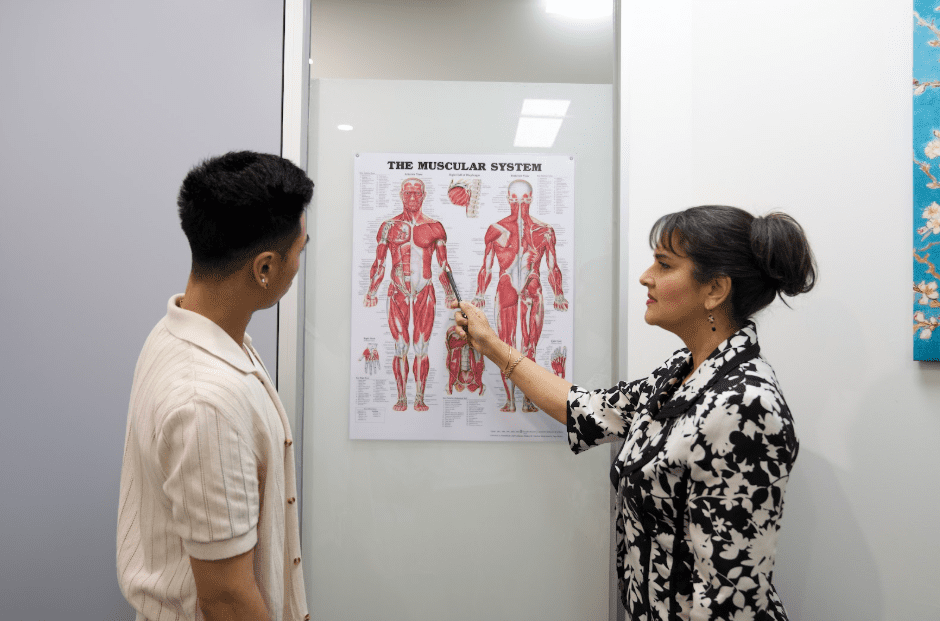
Diagnosing tendonitis involves clinical evaluation by Dr Shikha Parmar, including a medical history, examination of tenderness, swelling and movement, and assessment of likely contributing activities.
Ultrasound or MRI may be used where needed to assess tendon inflammation or damage and to exclude tears or rupture.
Tendonitis – Treatment Overview
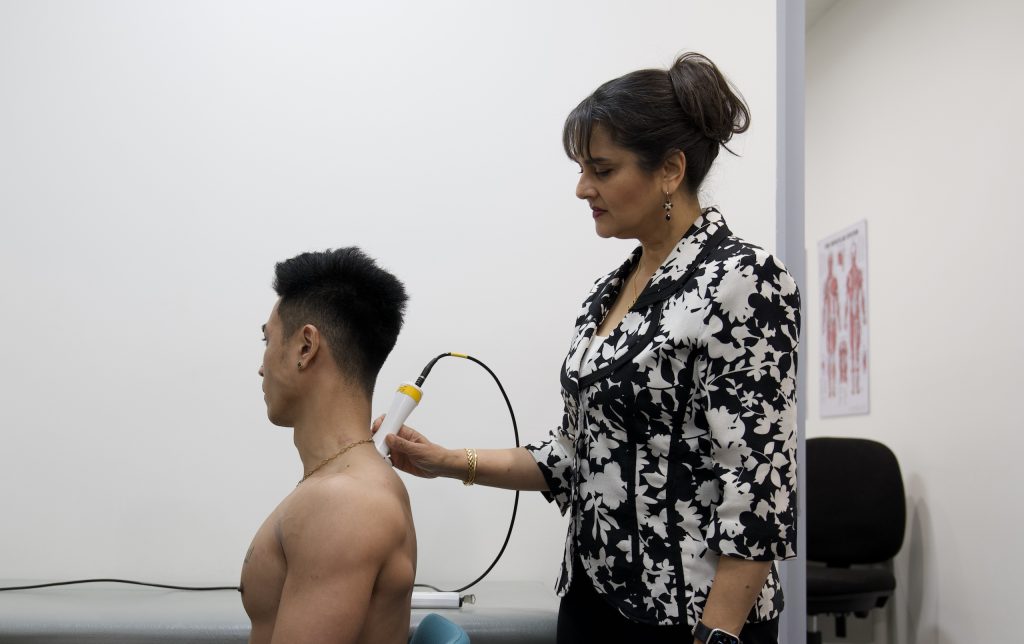
Low Level Laser Therapy (LLLT), also known as Photobiomodulation Therapy (PBMT), is a non-invasive treatment approach used as part of a structured program for selected tendonitis presentations. It may help modulate pain and local inflammatory processes and support tendon and soft tissue recovery without adding mechanical stress to vulnerable tendon structures.
Why Consider Low Level Laser Therapy (LLLT)?
Many patients present after limited relief from icing, stretching, massage, splints, anti-inflammatory medication, cortisone injections, PRP or exercise programs. These standard treatments may ease symptoms temporarily, but are not suitable for every stage of recovery, especially if loading or stretching aggravates sensitive tendon tissue.
Why ice, anti-inflammatories, cortisone, and PRP may not support long-term recovery. Read more here
How LLLT Supports Healing
LLLT uses red and near-infrared light and may support:
- Helping modulate inflammation and oxidative stress
- Local circulation and oxygenation
- Lymphatic drainage
- Cellular energy production (ATP)
- Collagen and tendon recovery processes where irritation is present
- Assisting pain reduction without mechanical loading or stressing the affected tendon
Non-Invasive and Supported by Research
PBMT/LLLT is non-invasive and generally well tolerated. It has been studied in a range of musculoskeletal pain and injury conditions. Individual responses vary, and outcomes depend on the condition being treated and the stage of recovery. Read more here.
See how LLLT may support the cellular environment involved in tissue recovery here.
Our Treatment Program
All patients are assessed by Dr Shikha Parmar (GP). Treatment is delivered within a structured six-week program, including:
- Up to 12 LLLT sessions
- Early progress review after the first 6 treatments
- Individualised advice and activity modification
- Guided rehabilitation to support longer-term function
Progress is reviewed during the program. Many patients notice appreciable improvement after the first 6 treatments. If there has not been sufficient improvement by this review point, further treatment may not be recommended.
View the full treatment protocol and expected outcomes here.
Ready to Discuss Your Tendonitis Treatment Options?
If you are struggling with persistent tendonitis pain or injury, we invite you to contact our team at Laser Pain Therapy to discuss the suitability of LLLT for your presentation. Treatment suitability and outcomes vary, and assessment is required before recommendations can be made.
Contact us today to arrange your consultation.
📍 Located in Melbourne
📞 (03) 8529 2225 Contact Us