Low Level Laser Therapy – The Treatment for Chronic Musculoskeletal Pain
Full Program at Laser Pain Therapy
Low-Level Laser Therapy (LLLT), also known as Photobiomodulation Therapy (PBMT), is a non-invasive, drug-free treatment that uses red and near-infrared light with the aim of supporting cellular processes involved in tissue recovery. It is used for selected chronic musculoskeletal conditions, including joint pain, muscle strains, back pain, and arthritis-related soft tissue irritation.
Excessive inflammation can disrupt the body’s natural tissue recovery mechanisms, causing prolonged pain and dysfunction. Pain medications can reduce symptoms and improve comfort, but they are usually directed at symptom control rather than local tissue recovery. LLLT/PBMT is used with the aim of supporting local inflammatory modulation, cellular energy processes and tissue recovery where clinically appropriate.
How LLLT Works: Anti-Inflammatory and Tissue Healing
Low Level Laser Therapy (LLLT) is a non-invasive treatment for selected musculoskeletal injuries and pain presentations. It works at a cellular level with the aim of supporting tissue repair, pain reduction and a more favourable environment for recovery, particularly in areas where inflammation and micro-trauma persist. Key mechanisms of LLLT include:
- Improving blood flow and oxygen delivery to injured tissues
- Enhancing lymphatic drainage and waste removal
- Helping modulate inflammation by influencing pathways associated with oxidative stress
- Supporting cellular energy processes, including ATP production
- Supporting tissue recovery processes and local immune response where irritation or injury is present
By supporting tissue recovery without applying mechanical stress to the affected area, LLLT may help reduce oxidative stress and swelling and assist recovery processes in muscles, tendons, ligaments and joints where clinically appropriate. Read more on how Low Level Laser Therapy works.
Low Level Laser Therapy
- uses photons of light energy to influence cellular signalling and support tissue recovery processes
- supports cellular energy processes and local tissue function where irritation or injury is present
- may assist circulation and local cellular recovery functions
- provides an environment in which the body’s own tissue recovery processes can be supported
As local immune and inflammatory processes settle, pain sensitivity may reduce and rehabilitation can often be introduced more comfortably. Collagen production and soft tissue adaptation are part of normal immune-mediated repair processes.
Low Level Laser Therapy
- uses photons of light energy to stimulate cells, creating optimal function and encourage healing
- stimulates and energises the cells to repair and strengthen at a remarkably fast rate.
- improves circulation and increases cellular repair functions
- provides an environment for your body’s own natural healing processes to be activated and restored.
Once normal immune processes are restored, the excessive inflammation is reduced and healing can begin. Collagen production is stimulated so ligaments and tissues grow stronger through immune-mediated repair processes.
Why Choose LLLT at Laser Pain Therapy?
Many patients come to us after trying various other approaches with only limited or temporary relief. LLLT/PBMT is an evidence-informed, gentle treatment option used as part of a structured program for selected musculoskeletal pain and injury presentations. It aims to support tissue recovery and local inflammatory modulation without adding mechanical stress to sensitive tissues.
Common, standard approaches such as icing, stretching, exercises, massage or anti-inflammatory medications may temporarily ease symptoms but are not suitable for every stage of recovery. In some cases, these can aggravate sensitive or inflamed tissues, including exercise introduced too early.
- Ice: Beyond the first 24 hours, repeated icing may impede recovery by reducing blood flow needed for repair. Read more here.
- Anti-inflammatories: while they can reduce inflammation temporarily, they may suppress aspects of the natural healing response. They can also carry side-effects and systemic risks when overused.
- Cortisone (or steroid) injections: may provide short-term relief but do not directly promote tissue repair, and repeated injections may weaken soft tissues in some circumstances.
- PRP injections: are invasive, may be uncomfortable, and are only suitable in selected areas. Evidence supporting their benefit varies depending on the condition and injection site.
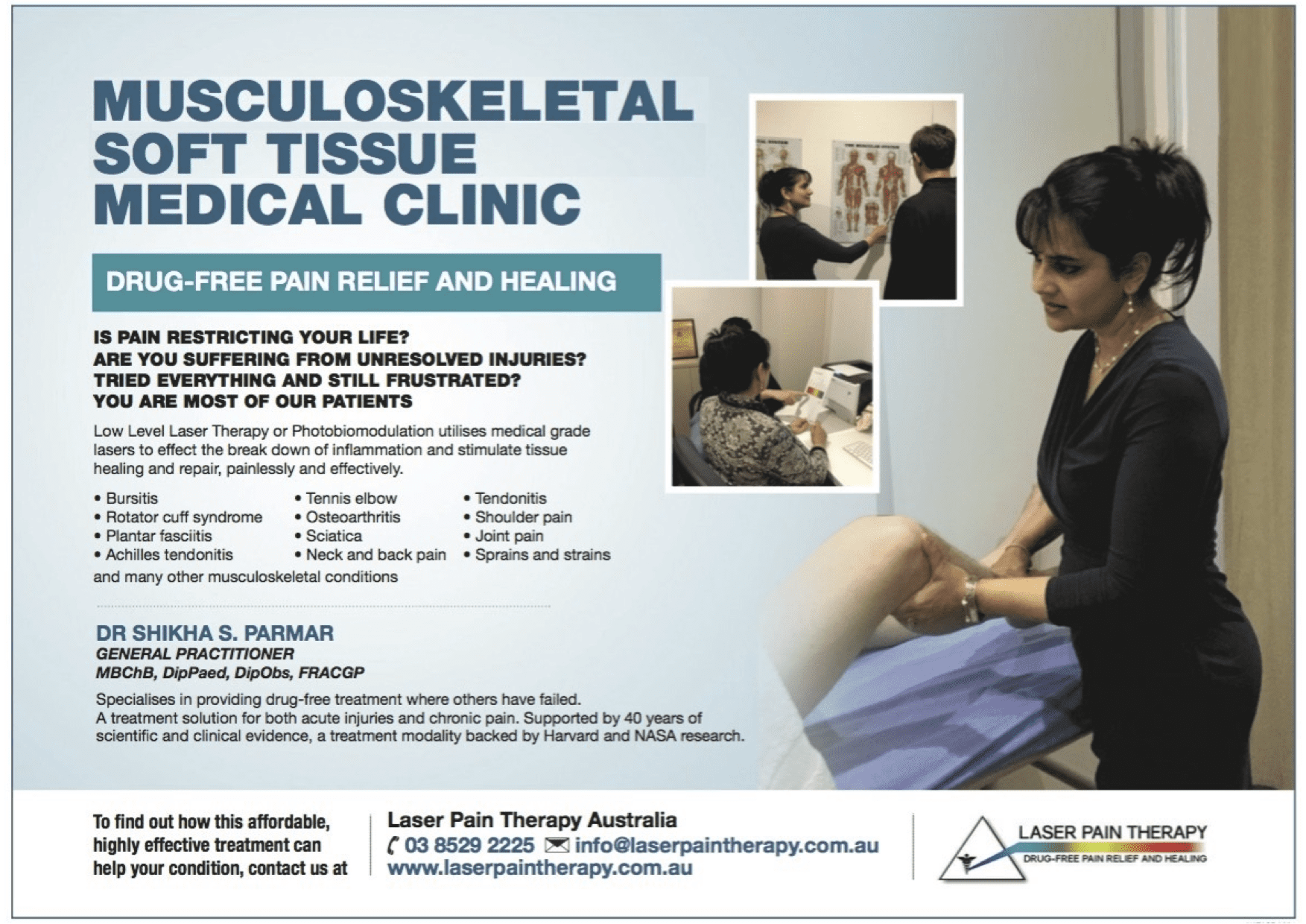
At Laser Pain Therapy, we utilise Low Level Laser Therapy (LLLT), also known as Photobiomodulation Therapy, as a primary component of a holistic, medically supervised six-week treatment program, including rehabilitation support tailored to each patient’s specific needs. Led by Dr Shikha Parmar, a GP with a special interest in musculoskeletal injury and pain, our clinic provides non-invasive, evidence-informed care under direct medical supervision.
LLLT/PBMT is considered for selected acute and chronic injury or degenerative musculoskeletal conditions where inflammation and micro-trauma persist and where mechanical stress must be avoided during recovery.
Whether your pain has been caused by a sports injury, accident or has developed over time, Low Level Laser Therapy can be considered as part of a structured treatment program where your presentation is suitable.
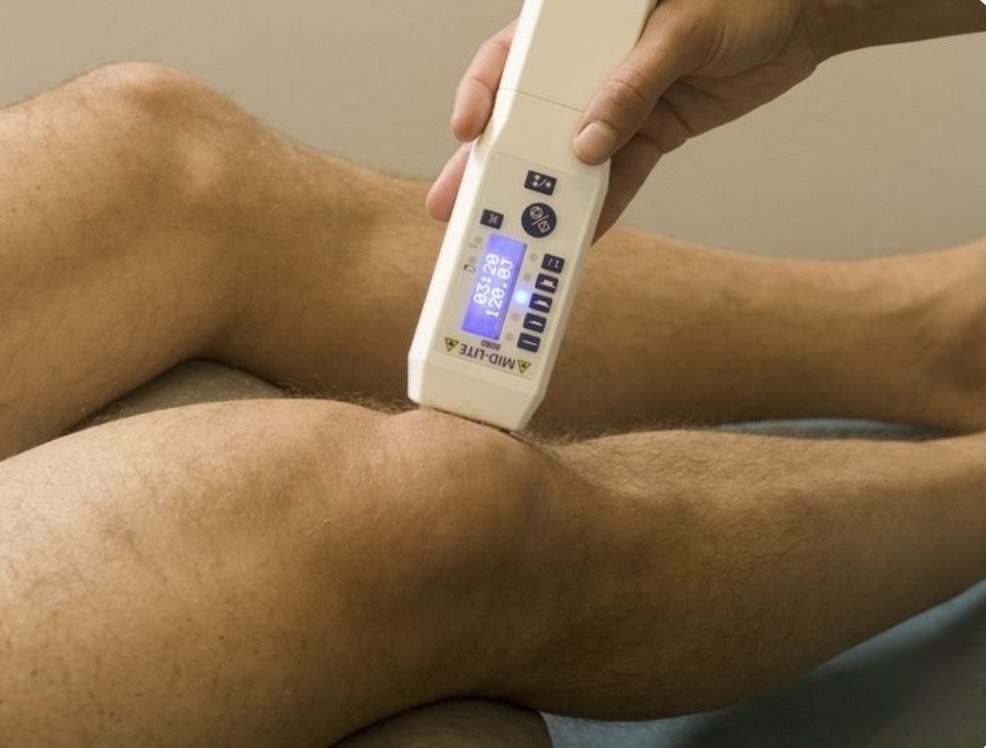
The Intensity of LLLT
The intensity of LLLT lasers and LEDs is not high, unlike a surgical laser. There is no heating effect; instead, the effects are achieved through light stimulation to cells. Unlike other electrotherapy modalities, it does not aim to force a cell or tissue response. Instead, it supports processes a cell is already capable of performing by providing light energy to the mitochondria, the powerhouses of cells.
LLLT/PBMT is non-invasive and generally well tolerated. The lasers used are not sufficiently strong to cut or thermally damage tissue. This makes LLLT/PBMT a treatment approach that can be considered for selected musculoskeletal injuries where a non-invasive option is clinically appropriate.
Low versus High Intensity Lasers
At Laser Pain Therapy, we use Class 3B low-intensity lasers to provide a controlled and targeted application of light. Unlike high-intensity lasers, which may cause tissue effects through heat, Class 3B low level lasers deliver light energy at therapeutic doses. This approach aims to support tissue recovery processes while avoiding the heat-based tissue effects associated with higher energy lasers.
Research, including dosage guidance from the World Association for Laser Therapy (WALT), supports the use of appropriate wavelengths, dosing and treatment parameters. These factors are important in delivering a controlled dose of light to targeted tissues.
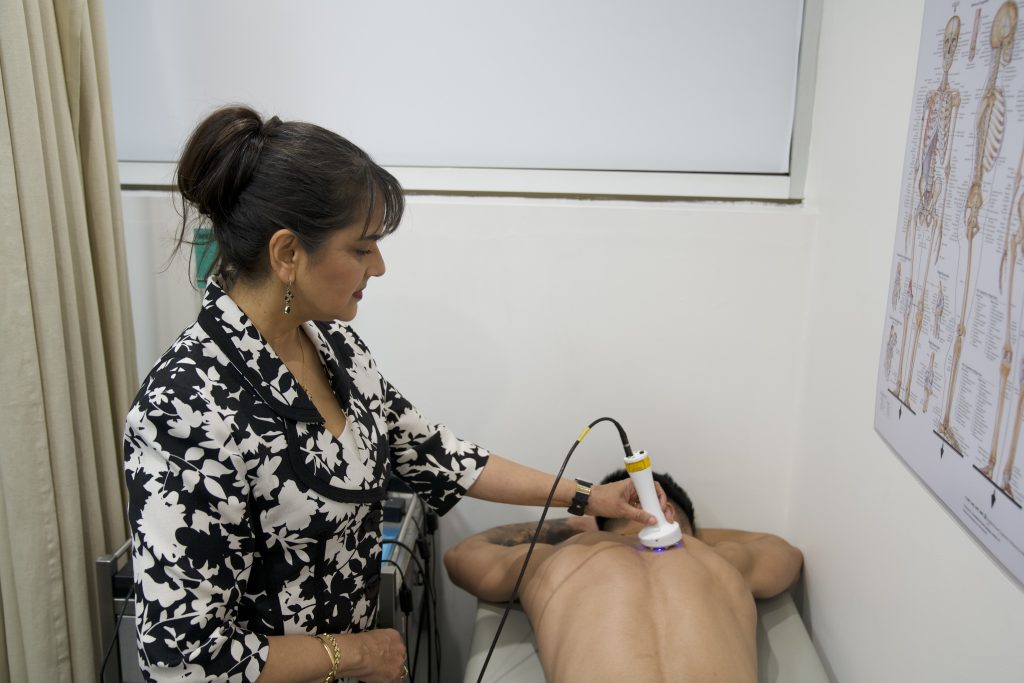
Non-Invasive and Supported by Research
LLLT/PBMT has been studied in peer-reviewed literature for a range of musculoskeletal pain and injury conditions. The strength of evidence varies depending on the condition, treatment parameters and clinical context. See our references page for supporting literature.
LLLT/PBMT is:
- Evidence-informed and used for selected musculoskeletal pain and injury presentations
- Non-invasive and drug-free
- Generally well tolerated
- Used with the aim of supporting pain reduction, local inflammatory modulation and tissue recovery processes where irritation is present
- Delivered in our clinic after GP assessment and as part of a structured treatment program
At our GP-led clinic, we combine expert medical assessment with non-invasive therapy. Every patient is seen by Dr Shikha Parmar to support correct diagnosis and management planning. Our highly trained assistants provide treatment under Dr Parmar’s direct supervision.
What You Can Expect During Your LLLT Treatment
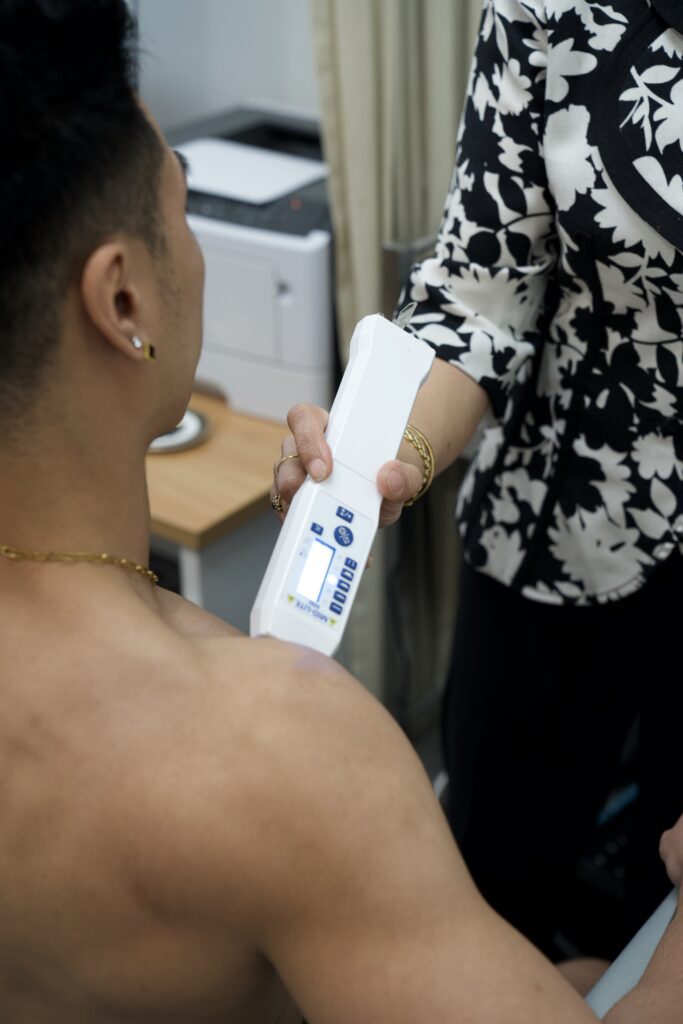
Treatment with our PBMT devices is completely painless and comfortable, often experienced as a gentle, pleasant warmth over the areas being treated. Each session is administered by a highly trained clinic assistant. Unlike scanning devices, our lasers are operated manually, allowing us to respond to your feedback in real time and ensure precise, personalised treatment.
Our state-of-the-art, medical-grade lasers are safe and effective, and each session is supported by tailored injury advice and a structured rehabilitation plan designed to resolve pain and restore function.
During your course of Low Level Laser Therapy (LLLT), you will be encouraged to gently move the affected area within your pain limits, avoiding stretching or forceful activity during the initial healing phase. As inflammation subsides and tissue repair progresses, normal range of motion and function are gradually restored. At this stage, targeted exercises and stretching can be introduced to rebuild muscle and tendon strength and flexibility.
LLLT works to:
- Reduce pain and calm inflammation
- Promote healing of injured tendons, ligaments, and joints
- Restore tissue structure, flexibility, and overall function
- Support progressive rehabilitation and safe return to activity
The ultimate goal is resolution of inflammation, restoration of healthy soft tissues, and protection against further injury, allowing you to regain pain-free movement and function.
By continuing LLLT during the rehabilitation phase, we enhance tissue quality, leading to better long-term recovery compared to conventional healing alone.
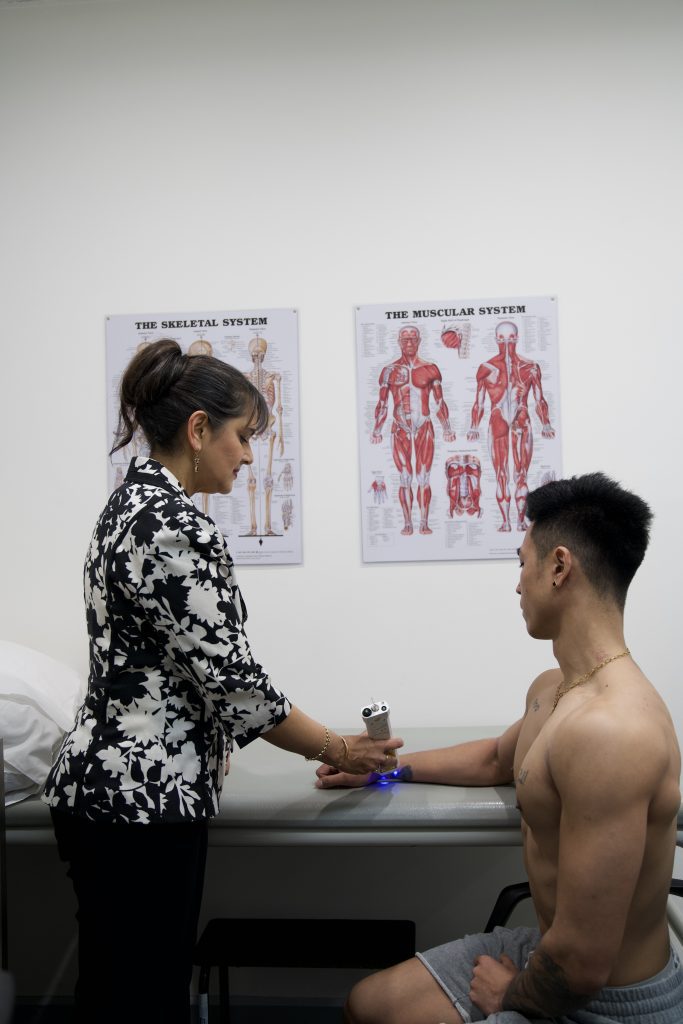
Structured Treatment Plan
Our LLLT program is structured, time-limited, and supervised by Dr Shikha Parmar. It aims to reduce pain sensitivity, support tissue recovery and improve tolerance of activity where clinically appropriate.
Each patient receives a comprehensive assessment, factoring in their health history, lifestyle, medications, any nutritional deficiencies, and personal needs. This holistic approach allows us to tailor the treatment plan, with LLLT at the core where appropriate.
The standard treatment program includes:
- Up to 12 LLLT sessions, with a review after 6 sessions to assess early progress
- Individualised advice for managing the injury and modifying activities
- A rehabilitation and return-to-function plan to support longer-term recovery
Progress is reviewed during the program. Many patients notice appreciable improvement after the first 6 treatments. If there has not been sufficient improvement by this review point, treatment may be adjusted or further treatment may not be recommended.
If a favourable treatment response is seen after the first 2 to 3 weeks, a further 6 treatments may be recommended, along with light and gradual graded rehabilitation. Ongoing treatment beyond the anticipated 12-treatment protocol is generally not required. All treatment decisions are made collaboratively, keeping your progress, preferences, and medical context in mind.
Ready to Discuss Your Treatment Options?
If you’re struggling with chronic musculoskeletal pain or injury, we invite you to contact our experienced team to discuss whether LLLT may be suitable for your presentation and how our structured treatment program can help.
 Located in Melbourne
 (03) 8529 2225 Contact Us
The 3 main benefits of LLLT in joint and muscle injuries are:
- Pain relief – temporary inhibition of nerve conduction in nerve fibres.
- Tissue repair – rapid regeneration of skin, muscle, tendons, ligament, bone and nerves.
- Resolution of inflammation leading to effective, lasting pain relief & return to function.
- To view cost of our affordable treatment click here
Non-Invasive and Supported by Research
PBMT/LLLT is non-invasive and generally well tolerated. It has been studied for a range of musculoskeletal pain and injury conditions. See our references page for supporting literature.
See how LLLT may support the cellular environment involved in tissue recovery here.
200 TOORAK RD, SOUTH YARRA
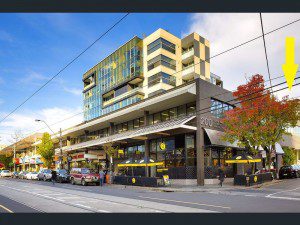
Suite 8, 200 Toorak Rd, South Yarra, VIC 3141
Mon: 9:00am – 6:00pm (later by arrangement)
Tue: 9:00am – 6:00pm (office only)
Wed: 9:00am – 6:00pm (later by arrangement)
Thur: 9:00am – 2:00pm
Frid: 9:00am – 6.00pm (later by arrangement)
Amla/Ampa
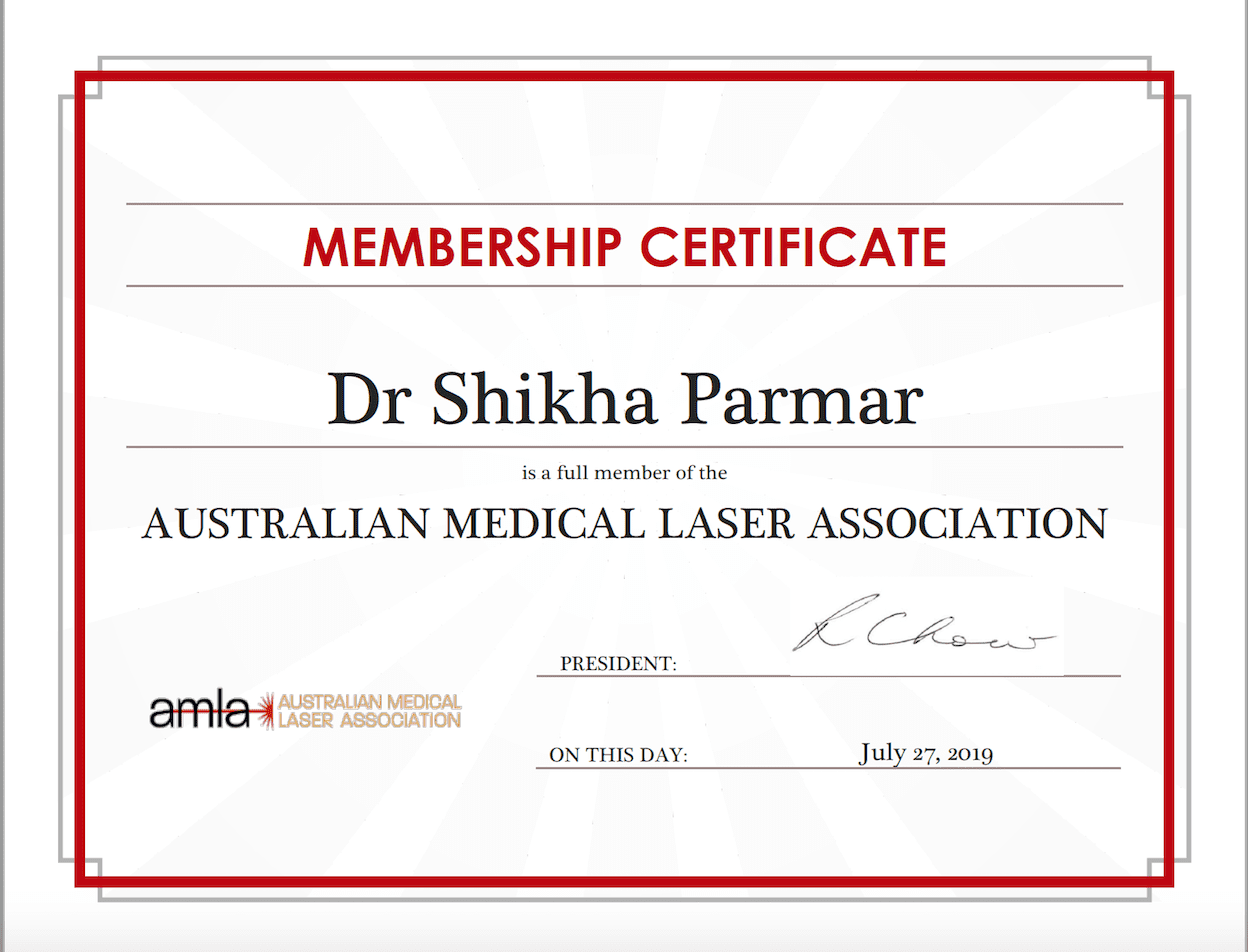
Walt