Pain changes more than comfort. In older adults, it can shrink walking distance, disturb sleep, reduce confidence, and make ordinary tasks like getting out of a chair or using the stairs feel far more difficult than they should. That is why safe pain relief for seniors needs to be approached carefully. The goal is not simply to dull symptoms. It is to reduce pain without creating new problems such as falls, confusion, stomach irritation, medication interactions, or loss of independence.
For many seniors, the hardest part is not finding a pain treatment. It is knowing which one is appropriate for their age, health history, and daily function. Arthritis, tendon pain, spinal degeneration, post-injury stiffness, nerve irritation, and persistent soft tissue pain can all respond differently. What helps one person may be ineffective, or even unsuitable, for another.
Why pain treatment needs extra care in older adults
Ageing changes the way the body processes medication and recovers from injury. Kidney and liver function may be slower. Balance can be less reliable. Bone density, muscle mass, and circulation may also change over time. On top of that, many seniors already take medication for blood pressure, heart disease, diabetes, osteoporosis, or sleep problems.
This is where pain management becomes more complex. A medicine that seems routine can carry a higher risk in an older person, especially if it causes drowsiness, affects blood pressure, irritates the stomach, or interacts with other prescriptions. Even over-the-counter options are not automatically low risk.
That does not mean seniors should simply put up with pain. Quite the opposite. Uncontrolled pain can lead to less movement, weaker muscles, poorer balance, reduced social activity, and slower recovery. Safe treatment matters because pain itself has consequences.
Safe pain relief for seniors starts with the cause
Before discussing treatment, the first question should be simple – what is actually driving the pain?
Knee pain may be osteoarthritis, but it may also involve tendon overload, bursitis, referred pain from the hip, or weakness changing joint mechanics. Shoulder pain might be labelled as arthritis when the main issue is a rotator cuff tendon. Lower back pain may come from joints, discs, muscles, nerves, or a combination of factors.
A proper assessment matters because the safest treatment is often the most targeted one. If the problem is inflammatory, treatment should aim to calm inflammation. If tissues are not healing well, the plan should support tissue repair. If pain is linked to stiffness and deconditioning, improving movement may be just as important as symptom control.
Common pain relief options and where caution is needed
Paracetamol is often considered first because it is familiar and generally better tolerated than stronger medication. For some seniors it can help mild to moderate pain, particularly when used correctly. But it is not a cure-all, and the dose still needs to be appropriate, especially in people with low body weight, frailty, or liver concerns.
Anti-inflammatory medicines such as ibuprofen or naproxen can reduce pain linked to inflammation, but they are not suitable for everyone. In older adults they may increase the risk of stomach bleeding, raise blood pressure, worsen kidney function, or interfere with other medicines. That risk can be especially relevant in people with heart disease, reflux, kidney problems, or those taking blood thinners.
Stronger prescription pain medicines may have a place in selected cases, particularly after surgery or serious injury, but they can bring sedation, constipation, nausea, and a higher risk of falls. In persistent musculoskeletal pain, they often do less than patients hope and more harm than expected when relied on for too long.
Topical treatments can be a useful middle ground. Anti-inflammatory gels, creams, and patches may provide local relief with less whole-body exposure than tablets. They are not perfect, but for some joint and soft tissue conditions they can be safer than systemic medication.
The larger point is this: medication may still be part of safe pain relief for seniors, but it should be reviewed in context, not taken by habit.
Why non-drug treatment is often a better long-term fit
For many seniors, the safest path is to reduce reliance on medication rather than add more of it. Drug-free treatment is particularly valuable when pain is chronic, recurring, or linked to tissue irritation that has not fully settled.
This is where non-invasive care can make a meaningful difference. The best options do more than distract from pain. They aim to improve the condition underneath it.
Gentle, structured movement is one example. When selected properly, exercise can reduce joint stiffness, improve muscle support around painful areas, and restore confidence with walking and daily tasks. The key phrase is selected properly. A generic exercise sheet is not the same as treatment tailored to an older body with specific limitations.
Hands-on care, guided rehabilitation, and load management can also help, depending on the diagnosis. But not every senior tolerates manual therapy well, and not every painful area improves with exercise alone.
The role of photobiomodulation therapy in senior pain care
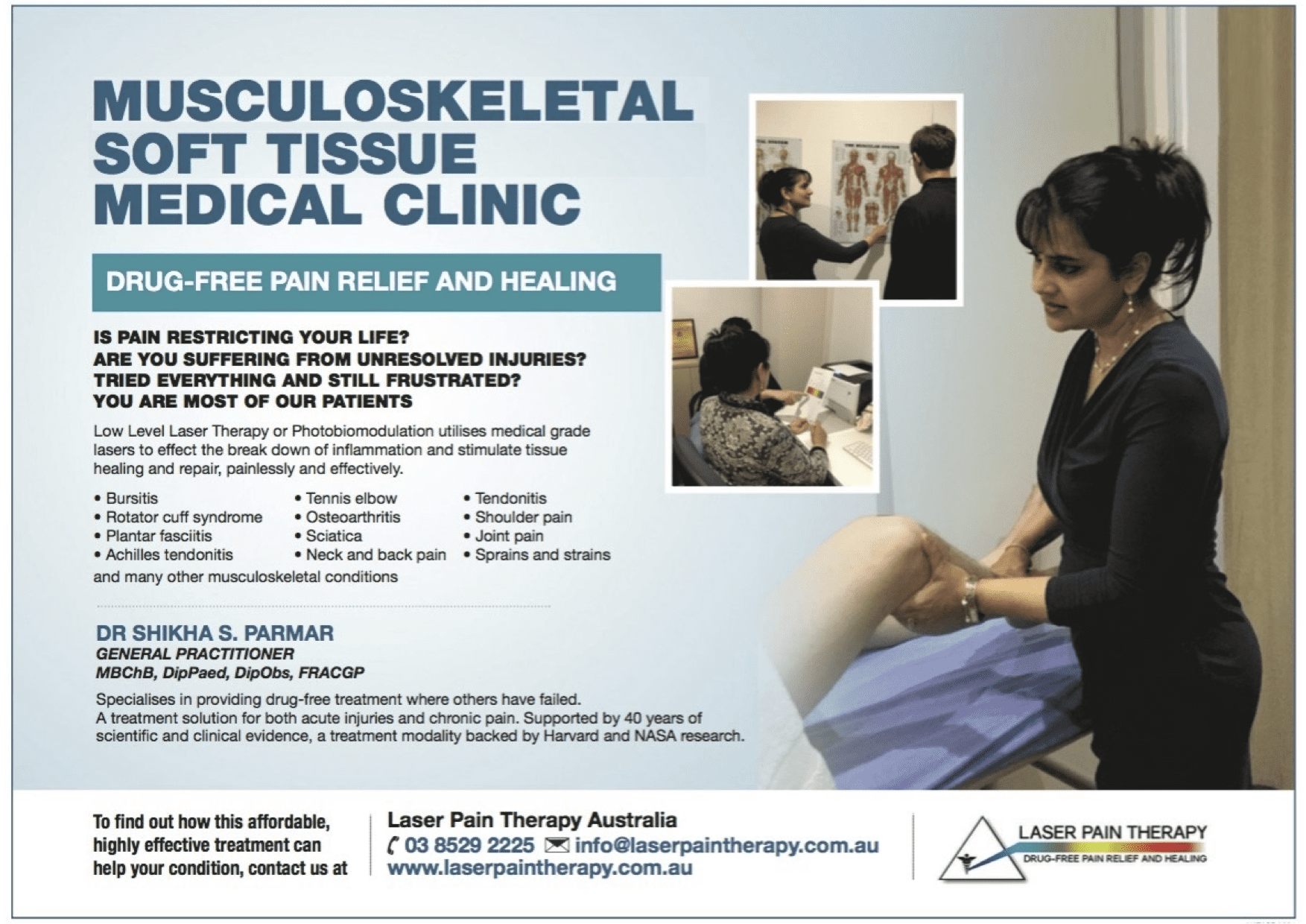
Photobiomodulation Therapy, also known as Low-Level Laser Therapy, is increasingly relevant when seniors need pain relief that is non-invasive, drug-free, and clinically guided. It uses specific wavelengths of light to stimulate cellular repair processes, reduce inflammation, and support tissue healing.
That mechanism matters. In many persistent musculoskeletal conditions, pain is not just a matter of sensation. It is linked to ongoing inflammation, poor tissue recovery, local irritation, and reduced function. A treatment that addresses those processes can be more useful than one that simply masks symptoms for a few hours.
For seniors, PBMT can be appealing because it is painless, comfortable, and does not place extra strain on the stomach, kidneys, or cardiovascular system in the way some medications can. It may be considered for osteoarthritis, tendon pain, neck pain, back pain, shoulder injuries, bursitis, soft tissue strain, nerve-related irritation, and post-injury recovery, depending on the individual assessment.
It is also suitable for people who are trying to avoid surgery, reduce medication dependence, or continue managing long-standing pain with a safer ongoing strategy. In a medical clinic setting, treatment is not guesswork. It is selected according to the diagnosis, the tissues involved, symptom duration, and the patient’s broader health picture.
When safe pain relief for seniors means combining treatments
There is rarely one perfect treatment for every older adult. Often, the safest and most effective plan combines approaches.
A senior with knee osteoarthritis, for example, may do best with a mix of diagnosis review, targeted laser therapy, home exercises to improve quadriceps strength, temporary use of topical pain relief, and practical advice on pacing activity. Someone with shoulder pain may need inflammation control first, then progressive movement work as the pain settles. A person with chronic low back pain may require treatment of several contributing factors rather than one isolated fix.
This is why medically supervised care is important. Treatment should evolve as symptoms change. If pain is improving but mobility remains limited, the next step may be different from what was needed at the start.
Red flags seniors should not ignore
Not all pain should be self-managed. Sudden severe pain, unexplained weight loss, marked swelling, fever, chest pain, new weakness, loss of bladder or bowel control, or pain after a significant fall all need prompt medical review.
Even non-urgent pain deserves assessment if it has lasted more than a few weeks, is worsening, or is affecting walking, sleep, balance, or daily function. Many seniors assume pain is just part of getting older. Persistent pain is common with age, but that does not mean it should be dismissed.
What to look for in a safe pain management plan
A good pain plan for an older adult should be precise, not generic. It should account for diagnosis, medication interactions, mobility, frailty, and personal goals. It should also ask practical questions: Is the patient trying to keep gardening? Walk without fear? Sleep through the night? Avoid stronger medication? Delay surgery?
The safest care is care that respects the whole picture. That includes reducing unnecessary medication load, protecting independence, and choosing treatment that supports healing as well as pain reduction.
In a clinic such as Laser Pain Therapy, that means combining medical oversight with evidence-based, non-invasive treatment options rather than asking seniors to choose between living with pain and relying heavily on tablets.
The right approach to pain in later life is rarely about doing more. It is about doing what is appropriate, clinically sound, and sustainable – so pain relief supports function, confidence, and quality of life rather than taking something else away.
Contact us today to arrange your consultation and take the first step towards recovery.
Located in Melbourne
(03) 8529 2225 Contact Us