When pain has dragged on for months, or keeps returning every time you try to get back to normal activity, safety stops being a side question. For many patients, the first thing they want to know is simple: is low level laser therapy safe? It is a fair question, especially if you are considering treatment for ongoing joint pain, tendon injury, nerve irritation or a child’s sports injury.
The short answer is that Low Level Laser Therapy, also known as Photobiomodulation Therapy or PBMT, is generally considered safe when it is used correctly, at the right dose, and under appropriate clinical supervision. It is non-invasive, drug-free, and does not involve the tissue damage associated with surgical lasers. That said, safe does not mean casual. Like any medical treatment, it needs proper assessment, correct diagnosis, and thoughtful application.
Is low level laser therapy safe for most people?
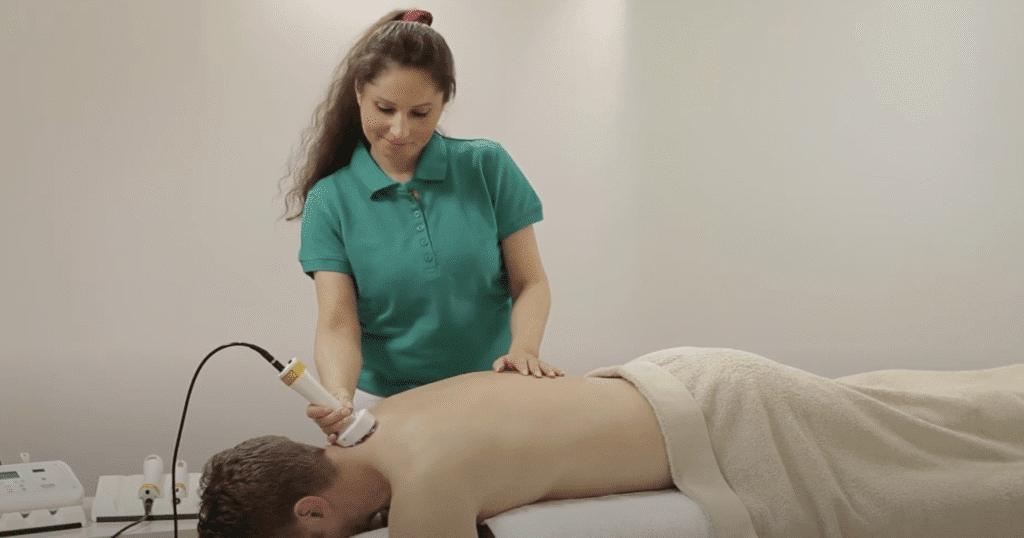
In clinical practice, PBMT has a strong safety profile. It uses specific wavelengths of light to stimulate cellular activity, support tissue repair, reduce inflammation, and help modulate pain. The treatment is designed to encourage healing rather than burn, cut or destroy tissue.
That distinction matters. Many people hear the word laser and think of heat, skin damage or eye injury. Therapeutic low level laser is very different from high-powered surgical or cosmetic lasers. The energy levels are much lower, and the goal is photochemical stimulation, not thermal damage. Most patients feel little during treatment apart from mild warmth or no sensation at all.
For musculoskeletal conditions, this makes PBMT appealing to patients who want a non-surgical option and who may be trying to reduce reliance on pain medication. It is commonly used for soft tissue injuries, tendon problems, joint pain, osteoarthritis, neck and back pain, and nerve-related symptoms. In the right setting, it can also be suitable for children, older adults, and people who prefer to avoid invasive procedures.
Why the treatment is considered low risk
The reason PBMT is widely regarded as low risk comes down to how it works. Rather than forcing a structural change, it delivers light energy that is absorbed by cells. This can improve mitochondrial activity, support ATP production, influence inflammatory pathways, and promote tissue recovery. In plain terms, it assists the body’s healing processes.
Because the treatment is non-invasive, there is no incision, no anaesthetic, and no recovery time in the usual sense. Patients can generally return to normal daily activities straight after a session. For people managing chronic pain, that practical advantage matters just as much as the clinical one.
Another reason for its safety profile is that adverse effects are uncommon when appropriate protocols are followed. PBMT has been studied across a range of conditions and patient groups, and the research base continues to grow. The key point, however, is not just that the technology exists. It is that the treatment parameters must match the condition being treated.
When low level laser therapy may not be appropriate
Although the treatment is generally safe, there are situations where extra caution is needed or where treatment may need to be modified. This is where medical screening becomes important.
Eye protection is essential. Direct exposure of the eyes to therapeutic laser light should be avoided, and proper safety glasses should be used where indicated. This is one of the most important practical safety measures in any laser clinic.
There are also certain areas of the body and clinical circumstances that require care. For example, treatment over a known malignancy is generally avoided unless there is a specific medical rationale. Pregnancy may require modified treatment planning, particularly over the womb. Patients with complex medical histories, active bleeding disorders, unusual skin sensitivity, or certain neurological conditions may also need a more individual assessment.
This does not mean PBMT is unsafe for these groups. It means treatment should not be delivered as a one-size-fits-all service. The decision should be based on diagnosis, medical history, and the exact treatment area.
Possible side effects and what patients usually experience
A common concern is whether laser therapy causes side effects. For most patients, side effects are minimal or absent. The treatment is typically painless and comfortable. Some people notice mild temporary warmth, slight redness over the treatment area, or a short-lived increase in symptoms as irritated tissue begins to respond. This is not always a bad sign, but it should be monitored.
In chronic pain cases, tissues can be sensitive and the nervous system may be highly reactive. If treatment dosage is too aggressive, symptoms may temporarily flare. That is one reason experienced dosing matters. More is not always better.
Unlike medication, PBMT does not carry the same risks of gastrointestinal irritation, sedation, dependency, or systemic drug interactions. Unlike injections or surgery, it does not involve needles, infection risk from skin penetration, or procedural downtime. Those comparisons are part of why many patients see it as a sensible conservative treatment option.
Still, the safest treatment is not simply the gentlest one. It is the one used appropriately. If someone has persistent pain that has not been properly diagnosed, symptom relief alone is not enough. The underlying cause still needs attention.
Why medical supervision changes the safety conversation
Safety in laser therapy is not just about the machine. It is about the clinical decisions behind it.
A patient with shoulder pain may actually have a rotator cuff tendinopathy, adhesive capsulitis, referred pain from the neck, or a combination of these. A patient with knee pain may have osteoarthritis, bursitis, meniscal irritation, or nerve referral from the lumbar spine. Treating the wrong structure, or using a generic protocol without reviewing the diagnosis, can reduce effectiveness and delay appropriate care.
That is why medically supervised assessment matters. A clinician needs to determine whether PBMT is suitable, where treatment should be applied, how often sessions are needed, and whether other red flags require investigation. In a doctor-led setting, laser therapy is not treated as a wellness add-on. It becomes part of a structured management plan.
For patients who have already tried rest, anti-inflammatory medication, physiotherapy or injections without lasting relief, this approach is particularly valuable. It helps ensure that treatment is not only safe, but clinically relevant.
Is low level laser therapy safe for children and older adults?
This is another common question, especially from parents and families managing sports injuries, growth-related pain, or age-related joint degeneration.
In general, PBMT can be suitable for all ages when treatment is tailored properly. Children and adolescents often tolerate it well because it is non-invasive and does not involve needles or medication. Older adults may also benefit because treatment is gentle and can be used in cases where surgery is unsuitable or medicines are poorly tolerated.
The same rule applies, though: suitability depends on the individual. A child with heel pain from sport, an older adult with hand osteoarthritis, and a middle-aged office worker with repetitive strain all need different clinical reasoning. Safety comes from precision, not just from the technology itself.
The difference between safe treatment and effective treatment
A treatment can be safe and still not be the right fit for every case. That nuance matters.
If your pain is driven by severe structural instability, fracture, infection, inflammatory disease, or another condition requiring urgent medical care, PBMT may not be the first priority. If the diagnosis is unclear, a proper work-up should come first. If the issue is chronic and multifactorial, laser therapy may need to be combined with movement rehabilitation, load management, or further medical review.
That is why realistic expectations are part of safe care. PBMT is not a magic fix. It is a clinically useful tool that can reduce pain and inflammation, support healing, and improve function in the right patient, at the right time, with the right treatment plan.
What patients should ask before starting
If you are considering treatment, ask who is assessing your condition, whether your diagnosis has been reviewed, what the treatment is aiming to achieve, and how progress will be measured. Ask whether any precautions apply to your medical history. These are better questions than simply asking how many sessions are on offer.
At a medical clinic such as Laser Pain Therapy, that assessment process is part of what helps keep treatment both safe and purposeful. It gives patients a clearer understanding of whether PBMT is appropriate for their condition rather than offering laser therapy as a generic solution.
Pain can make people understandably impatient. When you have tried multiple options and are still sore, stiff or limited, it is tempting to focus only on whether something might work. A better question is whether it is both safe and suitable for you. Low level laser therapy often meets that standard well, provided it is delivered with proper diagnosis, sound clinical judgement, and a treatment plan built around your actual condition.
Contact us today to arrange your consultation and take the first step towards recovery.
Located in Melbourne
(03) 8529 2225 Contact Us