
Pain becomes expensive long before you pay for treatment. It shows up in missed work, poor sleep, cancelled plans, repeat GP visits, scan after scan, and the slow frustration of trying things that do not last. That is why affordable private musculoskeletal (MSK) pain clinic care is not simply about finding the lowest fee. It is about choosing care that is clinically appropriate, clearly priced, and focused on meaningful recovery.
For many people, the private system feels uncertain at first. There can be concerns about cost, whether treatment is evidence-based, and whether a clinic will offer a proper medical assessment or simply sell sessions. Those concerns are reasonable. When pain has been present for weeks, months or even years, the real question is not just what a visit costs today. It is whether the care plan is likely to reduce pain, improve function and help you avoid a drawn-out cycle of temporary fixes.
What affordable private pain clinic care really means
Affordable care in pain management should be measured by value, not by price alone. A clinic may appear inexpensive if it offers brief appointments or generic treatment blocks, but that can become poor value if the diagnosis is unclear or the treatment is not matched to the underlying problem. By contrast, a private clinic with transparent fees, medically supervised assessment and a structured plan may be more cost-effective over time because it reduces wasted appointments and helps target the source of pain.
This matters particularly for musculoskeletal conditions. Shoulder pain, back pain, knee osteoarthritis, tendon injuries, nerve irritation and repetitive strain issues can look similar on the surface while requiring different management. A patient with chronic heel pain, for example, does not benefit from a one-size-fits-all approach. The most useful starting point is a thorough review of symptoms, movement, previous treatment, imaging where relevant, and likely pain drivers.
In practice, affordability often comes down to three things. The first is clear diagnosis review. The second is an individualised treatment plan rather than a standard package. The third is a model of care that aims to improve tissue healing and function, not just suppress symptoms.
Why patients often look beyond standard options
Many adults and seniors seek private MSK pain care after trying the usual steps without enough progress. They may have used anti-inflammatory medication, rest, physiotherapy, injections or repeated courses of manual therapy. Sometimes these approaches help. Sometimes they do not. In other cases, they help briefly but the pain returns as soon as normal activity resumes.
This is where private care can offer a different level of support, especially when it is medically led. A good clinic should not dismiss conventional treatment. It should place it in context. There are times when medication is appropriate, times when imaging is useful, and times when referral for another opinion is needed. But there are also many cases where patients want a non-surgical, drug-free option that is backed by research and supervised properly.
For parents, the same principle applies. If a child or teenager has a sports injury, overuse pain or soft tissue strain, safety matters just as much as effectiveness. The right private clinic should be able to explain not only what treatment is being recommended, but why it is suitable for that age group and condition.
What to expect from a quality private pain clinic
Not all private pain services are built the same way. Some operate more like wellness businesses, while others function as specialist medical clinics with proper clinical oversight. That difference matters.
A quality clinic should begin with a medical assessment or diagnosis review rather than moving straight to treatment. Pain can arise from joints, muscles, tendons, ligaments, nerves or surrounding soft tissue. It can be acute after an injury, or chronic and layered after months of compensation and inflammation. If those factors are not considered, treatment can miss the mark.
Transparent pricing is another sign of genuine value. Patients should know the consultation fee, whether any Medicare rebate applies to eligible GP consultations, what treatment sessions cost, and how follow-up is structured. Hidden costs, vague packages and pressure to prepay large plans are not signs of patient-centred care.
The best clinics also explain outcomes realistically. No ethical practitioner should promise the same result for every patient. Response depends on the condition, duration of symptoms, general health, activity demands and previous treatment history. Still, there should be a clear rationale for why a therapy is expected to reduce inflammation, support tissue repair, improve mobility or decrease reliance on medication.
Where laser therapy fits into affordable private MSK pain clinic care
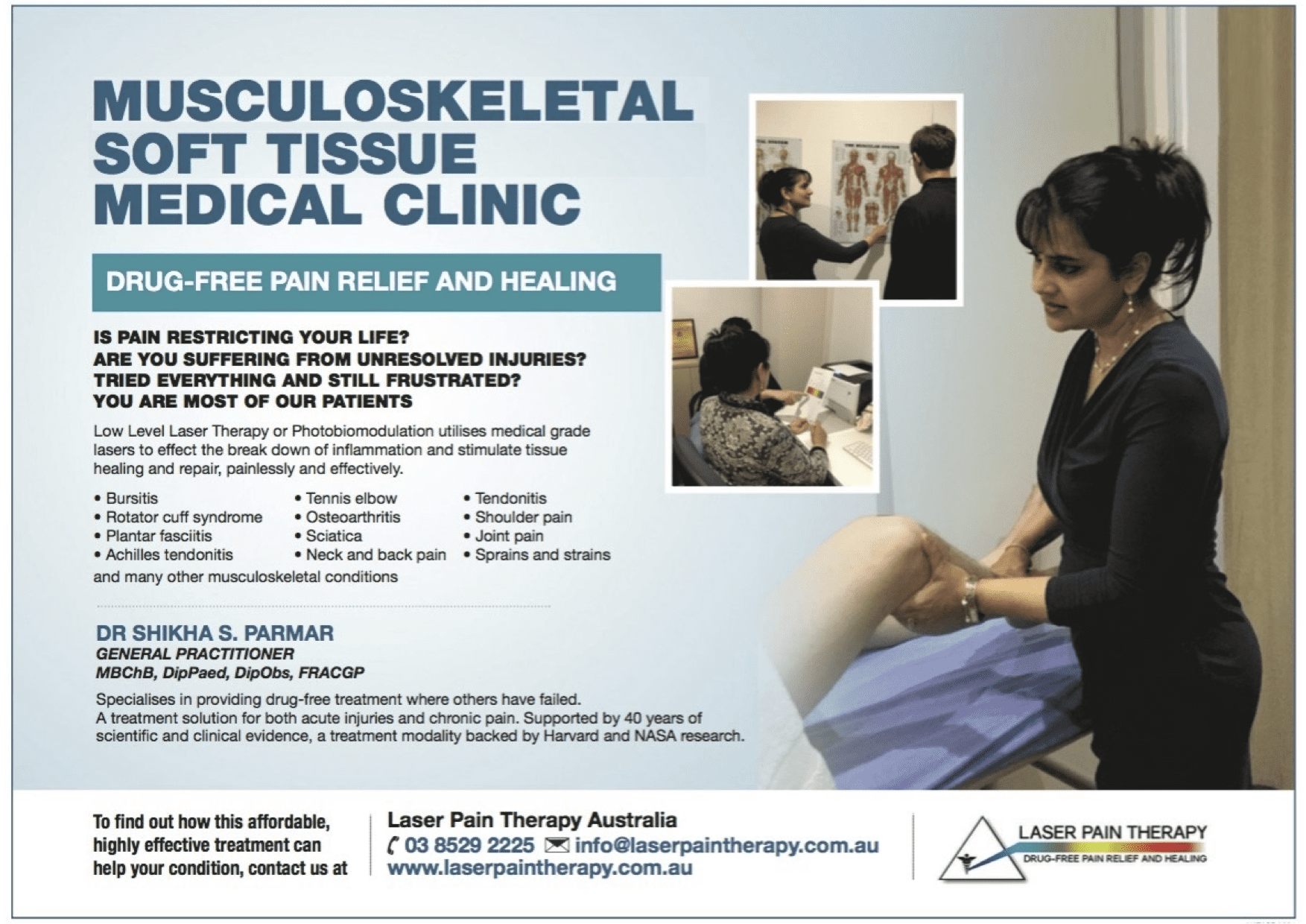
For patients seeking a non-invasive option, Photobiomodulation Therapy, also known as Low-Level Laser Therapy, can be a strong part of affordable private MSK pain clinic care when used within a proper medical framework. This is not a “wellness” treatment and it is not based on vague claims. PBMT uses specific wavelengths of light to stimulate cellular activity in damaged or inflamed tissue, supporting healing and helping modulate pain.
Research has shown benefits across a range of musculoskeletal presentations, particularly where inflammation, soft tissue injury, tendon pathology or joint irritation are involved. The aim is not to mask pain for a few hours. The aim is to improve the tissue environment so recovery can progress.
That distinction is important for patients who are tired of short-lived relief. A clinically guided laser treatment plan should be matched to the diagnosis, adjusted to the body area and stage of healing, and reviewed over time. Some patients respond quickly, particularly with acute injuries. Others with chronic pain may require a more staged approach because the condition has been present for longer or because several structures are involved.
The trade-offs patients should consider
Private care offers faster access and more personalised attention, but it is still an out-of-pocket decision. That makes it sensible to ask what you are paying for and what the realistic alternatives are.
A lower-cost provider may save money upfront but offer less clinical oversight. A more medically structured clinic may cost more per visit, yet provide better direction and fewer unnecessary sessions. It depends on the complexity of the pain problem. If your issue is straightforward and recent, the pathway may be short. If your pain is chronic, recurrent or linked to degeneration, treatment often needs closer monitoring.
There is also a difference between symptom management and recovery-focused care. Temporary relief has a place, especially when pain is severe. But if your goal is to walk more comfortably, return to exercise, work without flaring up, or reduce dependence on medication, then treatment needs to support function as well as comfort.
Patients in Melbourne often weigh this carefully when deciding whether to continue cycling through general treatments or seek a more targeted private opinion. The right choice is usually the one that gives you diagnostic clarity, a credible plan and a fair understanding of costs from the outset.
Questions worth asking before you book
Before committing to any clinic, ask whether the service is medically supervised, whether your diagnosis will be reviewed, and how treatment recommendations are tailored. Ask how progress is measured. Ask whether fees are transparent. Ask what happens if you are not a suitable candidate.
These questions are not confrontational. They are practical. A reputable clinic should welcome them because informed patients make better decisions. If a provider cannot explain the reasoning behind treatment, cannot outline likely timeframes, or avoids discussing pricing clearly, it is harder to call that affordable, no matter what the advertised session cost may be.
A clinic such as Laser Pain Therapy is built around this more accountable model of care, combining GP-led assessment with evidence-based laser treatment for patients who want a drug-free and non-invasive pathway. For many people, that combination is what turns private care from an uncertain expense into a worthwhile investment in recovery.
When affordable care is also the safer choice
The cheapest pathway is not always the lowest-risk one. Ongoing self-management without proper review can allow a treatable problem to persist. Repeated medication use may create concerns about side effects or only partially control symptoms. Delaying care because private treatment seems too expensive can sometimes lead to greater cost later in lost mobility, reduced activity and more entrenched pain.
Affordable care, at its best, gives patients access to early and appropriate intervention. It helps identify who will benefit from conservative treatment, who needs further investigation, and who may respond well to technologies such as PBMT under medical guidance. That is especially relevant for older adults managing osteoarthritis, active people wanting to return to sport, and office workers whose pain keeps returning because the underlying tissue stress has not been addressed.
If you are comparing options, look past the headline fee. Good pain care should leave you with more than a short appointment and a vague promise. It should leave you with a clear understanding of your condition, a treatment plan that fits your goals, and a realistic path towards moving more comfortably again.
Contact us today to arrange your consultation and take the first step towards recovery.
Located in Melbourne
(03) 8529 2225 Contact Us