Treatment of Sever’s Disease Using LLLT/PBMT
Gentle. Drug-Free. Clinically Proven
Low-Level Laser Therapy (LLLT), also known as Photobiomodulation Therapy (PBMT), is a highly effective, non-invasive, and drug-free treatment for Sever’s Disease in Melbourne, Victoria. Led by Dr Shikha Parmar, a GP with expertise in managing and resolving chronic musculoskeletal pain, Laser Pain Therapy incorporates LLLT as part of a holistic treatment plan. LLLT is a completely safe, painless treatment modality that targets the underlying cause of the injury rather than simply masking the pain, as pain medications often do. Supported by research from reputable institutions, including Harvard University and NASA, LLLT is an evidence-based therapy for musculoskeletal conditions, including Sever’s Disease.
Key Points
- Sever’s Disease is a condition that causes heel pain in growing adolescents, typically affecting children aged 8 to 14, especially those who are involved in physical activities such as running, jumping, or sports.
- The condition is caused by a growth imbalance between the bones and soft tissues, leading to inflammation at the heel’s growth plate.
- It is commonly associated with rapid growth spurts and aggravated by high-impact activities.
- Common symptoms include pain, swelling, and tenderness in the heel, especially after physical activity.
- Conventional treatments may include rest, ice, anti-inflammatory medications, but these methods often provide only temporary relief and do not address the underlying issue of tendon inflammation.
- Physical therapy, such as strengthening or stretching exercises, is not typically beneficial for Sever’s Disease and may aggravate the condition by placing additional strain on the affected area.
- LLLT is a non-invasive, drug-free treatment that effectively reduces inflammation, alleviates pain, and supports and aids long-term healing and regeneration without harmful side effects, allowing children to return to normal activity sooner
- LLLT is safe for children, including those with musculoskeletal conditions involving growth plates. Research supports that LLLT does not negatively affect bone development or cartilage.
- At Laser Pain Therapy, all LLLT treatments are GP-led by Dr Shikha Parmar, with a structured treatment program tailored to each patient’s needs.
- LLLT has been scientifically proven to restore function, reduce inflammation, and improve outcomes in conditions such as Sever’s Disease.
What is Sever’s Disease?
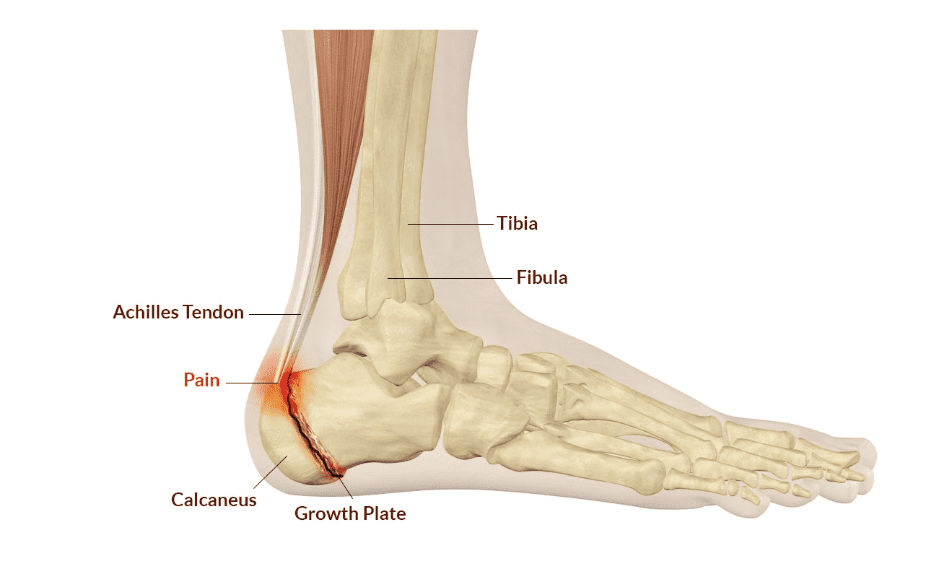
Sever’s Disease, also known as calcaneal apophysitis, is a condition that causes heel pain in growing adolescents, especially those who are experiencing a growth spurt. It is most commonly seen in children aged 8 to 14, particularly in those who are physically active or involved in sports that put stress on the heels, such as running, jumping, or playing soccer.
The condition arises from inflammation of the growth plate at the heel (calcaneus), caused by the natural growth imbalance between the growing bones and the surrounding soft tissues. The Achilles tendon, which attaches to the heel, may pull on the growth plate during periods of rapid growth, causing irritation or micro-tears.
Sever’s Disease is primarily driven by the rapid growth of the heel bone during puberty, with physical activities acting as a contributing factor rather than the primary cause. Although the condition can be aggravated by repetitive activity, it is not caused by trauma or injury. The pain and discomfort are temporary and typically resolve as the child’s bones fully mature. However, if left untreated, it can affect the child’s ability to engage in physical activities, limiting sports participation and causing persistent discomfort.
Low-Level Laser Therapy (LLLT) can help manage symptoms and accelerate healing, providing relief from pain and allowing children to return to normal activity sooner.
Causes of Sever’s Disease
Sever’s Disease is most commonly seen in active adolescents, especially those involved in sports that put stress on the heels, such as running, jumping, and playing soccer. The condition arises due to a natural growth imbalance between the bones and soft tissues during periods of rapid growth, which can cause discomfort, particularly in physically active children. Contributing factors include:
- Rapid growth during puberty, which leads to a mismatch between the growth of the heel bone (calcaneus) and surrounding soft tissues, placing strain on the Achilles tendon and the growth plate at the heel.
- Repetitive physical activity, such as running, jumping, and playing sports, which increases tension on the Achilles tendon and may exacerbate the condition, especially during periods of rapid growth.
- Overuse or sudden increases in activity intensity or duration, particularly without adequate rest or conditioning, can further strain the Achilles tendon, aggravating the condition.
- Tight calf muscles, which can place additional tension on the Achilles tendon, contributing to the development of Sever’s Disease.
Common Symptoms of Sever’s Disease
The symptoms of Sever’s Disease typically include:
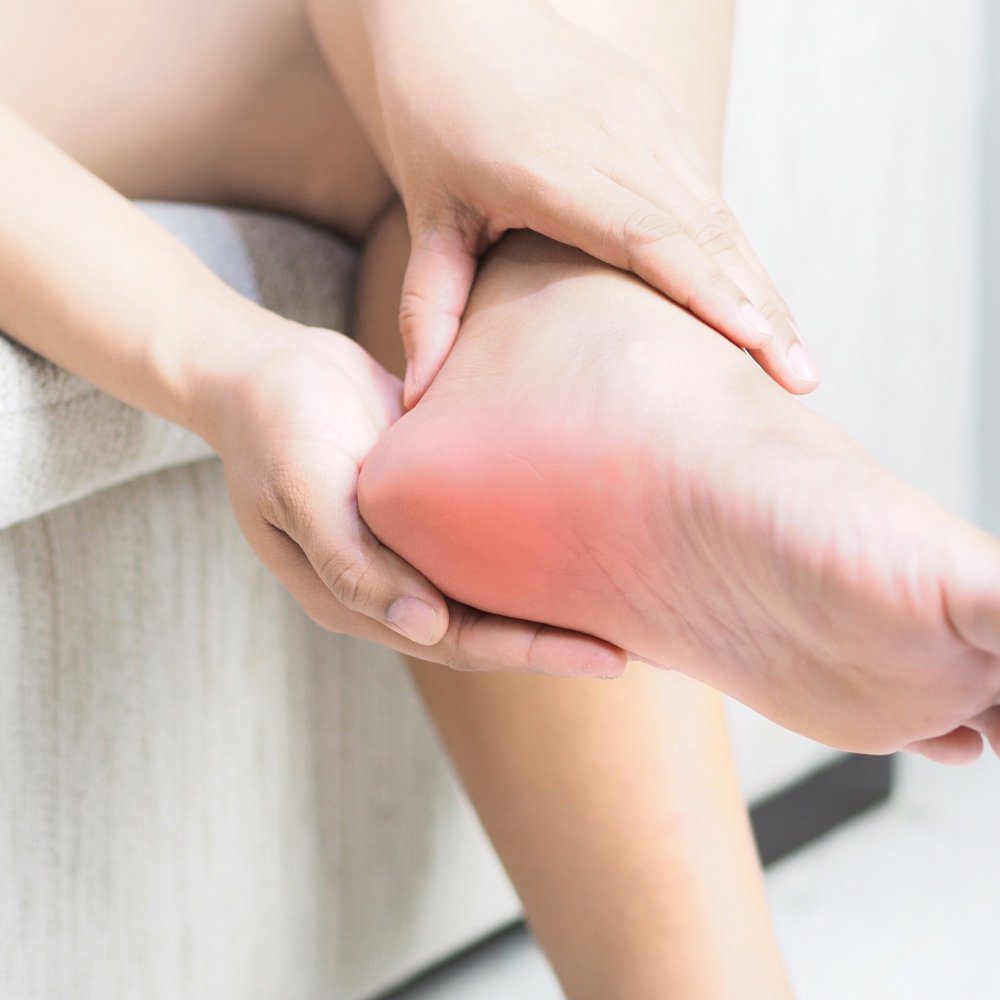
- Pain, swelling, or tenderness at the back or bottom of the heel, especially after physical activity.
- Pain that worsens with activities such as running, jumping, or walking.
- Difficulty walking or running due to heel discomfort.
- Tenderness to touch at the heel or around the Achilles tendon.
- The pain generally improves with rest but may recur with physical activity.
How is Sever’s Disease Diagnosed?
Sever’s Disease is typically diagnosed through a thorough clinical evaluation. Dr Shikha Parmar will assess the child’s history of heel pain, activity levels, and any potential triggers. A physical examination will be performed to check for swelling, tenderness, and pain around the heel and Achilles tendon.
Imaging, such as X-rays, may be used to rule out other causes of heel pain, such as fractures or infections. X-rays can help confirm the presence of inflammation in the growth plate or to check for other structural issues.
Sever’s Disease – Treatment Overview
Low Level Laser Therapy (LLLT), also known as Photobiomodulation Therapy (PBMT), is a gentle, evidence-based treatment that targets the underlying cause of Sever’s Disease: inflammation at the Achilles tendon insertion, growth-related traction stress, and local immune imbalance at the heel growth plate. It promotes healing without mechanical stress to the developing calcaneal structures.
Why Choose Low-Level Laser Therapy (LLLT)?
Many children present after limited relief from rest, ice, anti-inflammatory medication, or physical therapy. These approaches may ease symptoms temporarily but often fail to address persistent tendon inflammation, and strengthening or stretching may aggravate symptoms during rapid growth phases.
Why ice, anti-inflammatories, and other conventional treatments may not support long-term recovery. Read more here.
The Role of Physical Therapy in Sever’s Disease
Sever’s Disease is an inflammatory growth-related condition rather than a problem of muscle weakness or biomechanical imbalance. Stretching or strengthening programs may increase strain on the inflamed heel and aggravate symptoms. The condition typically resolves as soft tissue adapts to bone growth and inflammation settles, often with relative rest and, where appropriate, LLLT to reduce pain and support healing, allowing gradual return to sport without corrective therapy.
How LLLT Supports Healing
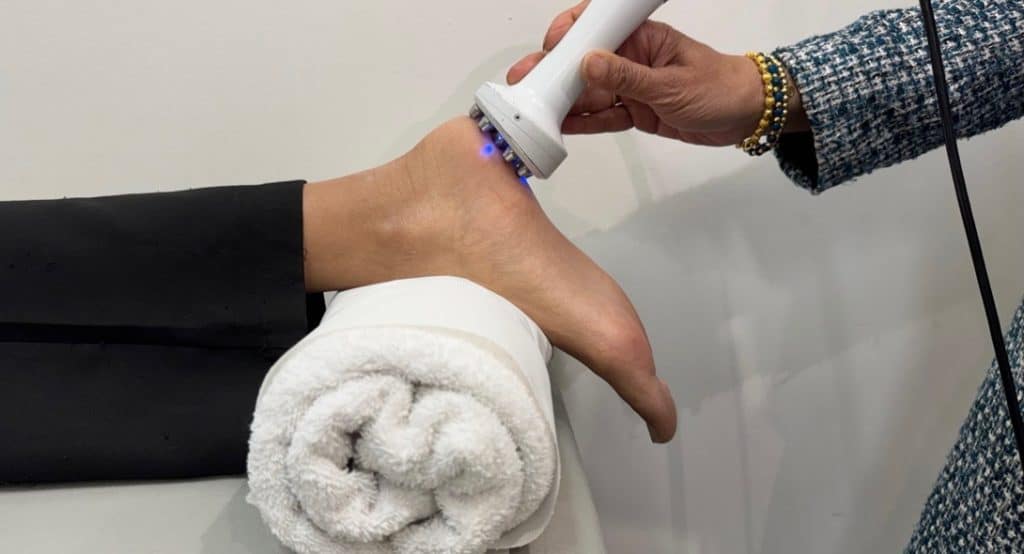
LLLT uses red and near-infrared light to restore balance to the inflammatory process and stimulate tendon and soft tissue repair by:
- Improving circulation and oxygenation
- Enhancing lymphatic drainage
- Reducing inflammation and oxidative stress
- Increasing cellular energy (ATP)
- Supporting tendon regeneration and tissue adaptation
All without loading or stressing the heel growth plate.
LLLT/PBMT for Children and its Safety
LLLT is considered safe for use in children, including around growth plates, with research showing no negative effects on bone growth, cartilage, or skeletal development. It supports tissue healing, reduces inflammation, and relieves pain without harmful side effects when applied under medical supervision.
Read more on our dedicated PBMT for Children page here.
Proven, Safe, and Effective
It is non-invasive, painless, and supported by extensive clinical research. Read more here.
See how LLLT helps restore the cellular environment needed for repair here.
Our Treatment Program
All patients are assessed by Dr Shikha Parmar (GP). Treatment is delivered within a structured six-week program, including:
- Up to 12 LLLT sessions
- Review after 6 sessions
- Individualised advice and activity modification
- Guided rehabilitation for durable recovery
Patients who respond typically show 15–20% improvement within the first 6 sessions, with best-case improvement of 70–90% over the full program.
View the full treatment protocol and expected outcomes here.
Ready for Lasting Relief?
If your child is struggling with Sever’s Disease, we invite you to contact our experienced team at Laser Pain Therapy. Our LLLT treatment offers a safe, effective, and lasting solution to restore comfort, mobility, and quality of life.
Contact us today to arrange your consultation and take the first step towards recovery.
📍 Located in Melbourne
📞 (03) 8529 2225 Contact Us