
When pain has been hanging around for months, it stops feeling like a simple strain and starts affecting how you work, sleep, move and think. That is usually the point people ask: what are chronic musculoskeletal conditions, and why are they so hard to shift?
In medical terms, these are ongoing disorders affecting the muscles, bones, joints, tendons, ligaments, nerves and other soft tissues. The word chronic generally means the problem has persisted for more than 12 weeks, although many people live with symptoms for far longer. Some conditions begin with an injury that never fully settles. Others develop gradually through overuse, joint degeneration, inflammation or altered movement patterns.
What are chronic musculoskeletal conditions?
Chronic musculoskeletal conditions are long-standing problems involving the body’s movement system. That includes the spine, shoulders, hips, knees, hands, feet, muscles, connective tissue and supporting nerves. The common thread is not just pain. These conditions often bring stiffness, weakness, reduced mobility, swelling, tenderness and difficulty with everyday function.
A person with chronic neck pain may struggle to sit at a desk or drive comfortably. Someone with persistent knee osteoarthritis may find stairs difficult. A teenager with a recurring sports tendon injury may not be able to return to training without flare-ups. Although the body part differs, the pattern is similar: symptoms continue, healing is incomplete, and normal activity becomes harder than it should be.
This category covers a wide range of diagnoses. Osteoarthritis, tendinopathy, bursitis, chronic low back pain, sciatica, rotator cuff disorders, plantar fasciopathy, repetitive strain injuries and post-injury soft tissue pain all sit within the broader musculoskeletal group. Fibromyalgia is sometimes discussed alongside musculoskeletal conditions as well, although it involves more complex pain processing across the nervous system.
Why these conditions become chronic
Not every sprain, strain or flare-up turns into a chronic problem. In many cases, tissues heal within expected timeframes. When pain persists, there is usually more than one factor involved.
Sometimes the original tissue injury has not fully repaired. Tendons and ligaments, for example, often have a slower blood supply than muscle, which can delay recovery. In other cases, the tissue has healed reasonably well, but inflammation remains active or the nervous system has become more sensitive. That means pain can continue even when scans do not show a dramatic structural problem.
Age can play a part, particularly in degenerative joint conditions such as osteoarthritis. Repetitive loading also matters. Office workers, tradies, nurses, drivers and active people can all develop chronic musculoskeletal pain through repeated strain, poor biomechanics or prolonged postures. Weight, sleep quality, stress, previous injuries and general health can all influence recovery as well.
This is why chronic pain is rarely solved by a single quick fix. It often needs proper assessment, a clear diagnosis review and a treatment plan that addresses both symptom control and tissue healing.
Common examples of chronic musculoskeletal conditions
Some diagnoses are especially common in general practice and pain clinics. Chronic low back pain is one of the most frequent. It may relate to disc injury, facet joint irritation, muscular dysfunction, ligament strain or nerve involvement, but sometimes several factors overlap.
Osteoarthritis is another major cause of long-term pain, particularly in the knees, hips, hands and spine. This is not simply wear and tear in the casual sense. It involves changes in joint cartilage, bone, inflammation and mechanics, which can affect comfort and movement over time.
Persistent shoulder pain is also common. Rotator cuff tendinopathy, bursitis, impingement-related pain and frozen shoulder can all interfere with dressing, sleeping and lifting. Around the elbow, wrist and hand, people often deal with tennis elbow, golfer’s elbow, De Quervain’s tenosynovitis and repetitive strain syndromes.
In the lower limb, Achilles tendinopathy, plantar fasciopathy, gluteal tendinopathy and chronic knee pain can make walking and exercise difficult. Nerve-related conditions such as sciatica or chronic nerve irritation may cause burning pain, tingling, numbness or weakness as well as mechanical pain.
Signs that suggest a chronic condition
Persistent pain is the obvious sign, but duration alone does not tell the full story. Chronic musculoskeletal conditions often follow a recognisable pattern. Symptoms may improve slightly and then flare again. Rest may help temporarily, but activity remains limited. Sleep can be disturbed, and confidence in movement often drops.
Many people start compensating without realising it. They limp, avoid bending, stop exercising or rely more heavily on one side of the body. Over time, this can create further strain elsewhere. It is also common for mood and energy to be affected. Ongoing pain is physically draining, but it is also mentally tiring.
Medical review becomes particularly important if pain is persistent, worsening, associated with weakness, numbness, swelling, marked stiffness or reduced function. The goal is not only to label the condition but to work out what is driving it and what can realistically improve it.
Diagnosis is more than a scan result
One of the frustrations with chronic pain is that imaging does not always match symptoms neatly. A scan might show age-related changes in someone with severe pain, while another person has clear structural findings with only mild discomfort. Neither scenario means the pain is not real.
Good diagnosis starts with clinical assessment. That includes the history of the pain, how it behaves, what aggravates or eases it, whether there was an injury, and how function has changed. Physical examination helps identify joint restriction, muscle weakness, tendon irritation, nerve involvement and movement patterns that may be maintaining the problem.
Scans can be useful, but they should support clinical judgement rather than replace it. A medically supervised approach is especially valuable when pain has lasted a long time or previous treatment has not worked.
How chronic musculoskeletal conditions are treated
Treatment depends on the diagnosis, the duration of symptoms and the patient’s goals. There is no single best option for every person. Some people need load modification and structured rehabilitation. Others need better inflammation control, targeted pain management or support to restore movement after months of guarding.
Medication may reduce symptoms in some cases, but it does not necessarily promote tissue repair, and long-term use is not ideal for everyone. Injections can be appropriate in selected situations, but again, they are not the answer to every chronic condition. Surgery has a role in certain structural problems, though many chronic musculoskeletal issues can be managed without it.
The strongest plans tend to be individualised. They combine accurate diagnosis with evidence-based treatment and realistic follow-up. That may include exercise therapy, manual treatment, pacing strategies, ergonomic changes and non-invasive therapies aimed at reducing inflammation and supporting healing.
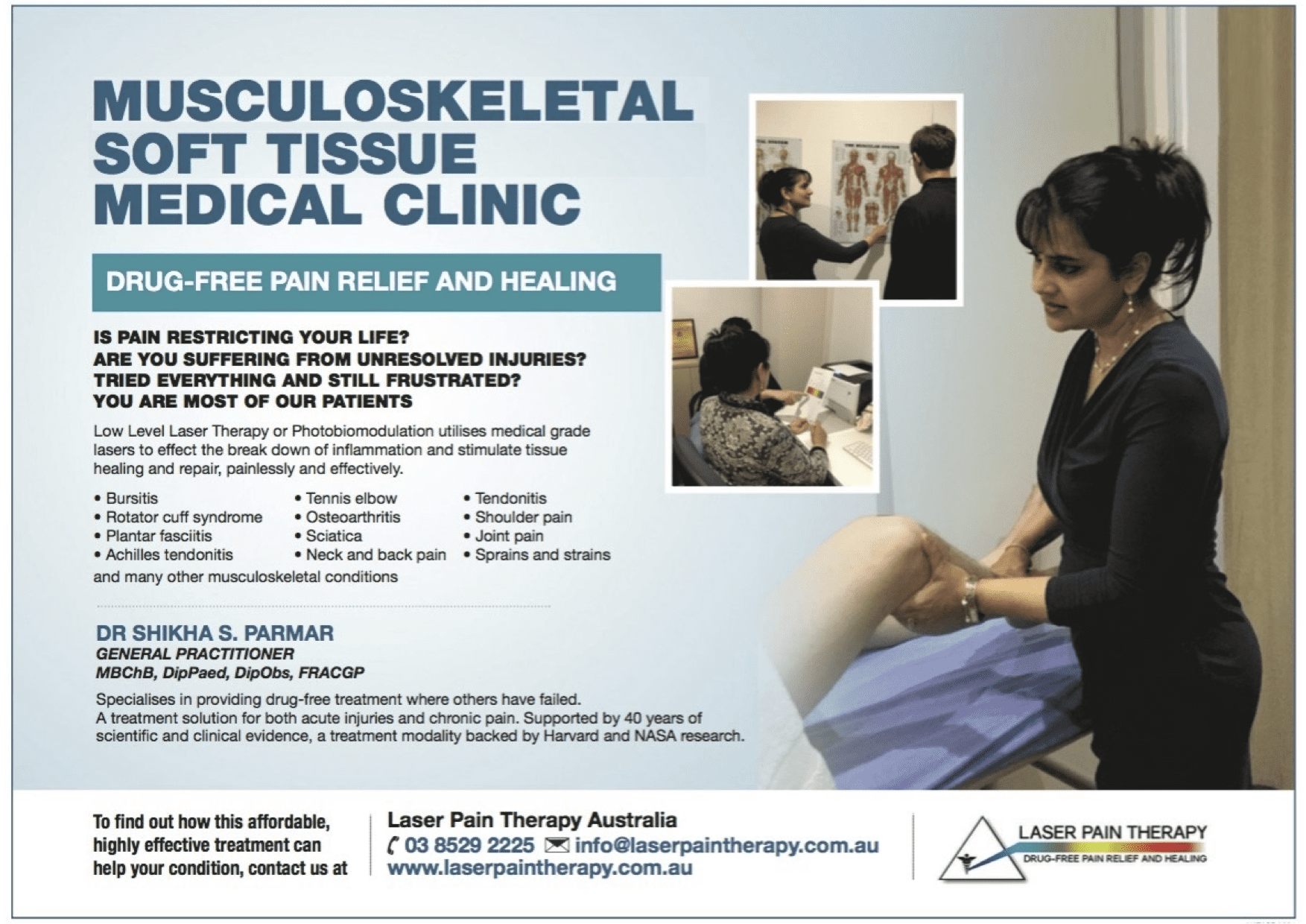
For patients who want a drug-free option, Photobiomodulation Therapy, also known as Low-Level Laser Therapy, is increasingly relevant. This treatment uses specific wavelengths of light to stimulate cellular repair, reduce inflammation and support recovery in injured or irritated tissues. In chronic conditions, where the body may be stuck in an incomplete healing cycle, that can be clinically useful. It is not magic, and results vary depending on the condition, severity and duration, but for many patients it offers a practical option when standard approaches have not been enough.
Why early management matters even in older injuries
People often assume that if pain has lasted for six months, one year or longer, nothing much can change. That is not necessarily true. Chronic does not mean untreatable. It means the problem is established and may need a more deliberate plan.
The longer pain continues, the more likely it is to affect strength, mobility, confidence and daily habits. That can make recovery slower, but not impossible. Even with degenerative conditions, reducing inflammation, improving tissue function and restoring movement can make a meaningful difference.
This matters for older adults trying to stay independent, working adults trying to keep up with job demands, and younger people eager to return to sport without repeated setbacks. The aim is not always to create a perfect scan or remove every sensation. Quite often, the aim is to reduce pain, improve function and make daily life manageable again.
When to seek further help
If pain has lasted beyond a few months, keeps recurring, or is limiting work, sleep or movement, it is worth getting a proper assessment. The same applies if you have already tried rest, basic physio, anti-inflammatory medication or general exercise advice without lasting improvement.
Persistent musculoskeletal pain deserves more than guesswork. A clear diagnosis and a personalised treatment strategy can prevent months or years of unnecessary limitation. For patients in Melbourne looking for medically guided, non-invasive care, that may include a review of whether laser therapy is appropriate alongside a broader management plan at Laser Pain Therapy Australia.
Living with ongoing pain can shrink your world gradually. The right care should help expand it again, one movement, one task and one good day at a time.
Contact us today to arrange your consultation and take the first step towards recovery.
Located in Melbourne
(03) 8529 2225 Contact Us