When osteoarthritis starts shaping your day around pain, simple tasks stop feeling simple. Getting out of a chair, walking to the letterbox or turning a stiff knee in bed can become a constant reminder that the joint is not coping well. For many people, laser therapy for osteoarthritis pain is worth considering when medication, exercise alone or repeated rest have not provided enough relief.
Osteoarthritis is not just wear and tear in the casual sense. It is a degenerative joint condition involving cartilage breakdown, low-grade inflammation, changes in the underlying bone and irritation of surrounding soft tissue. That is why it often feels like more than stiffness. People describe aching, swelling, reduced movement, clicking, pain with weight-bearing and a gradual loss of confidence in the joint.
How laser therapy for osteoarthritis pain works
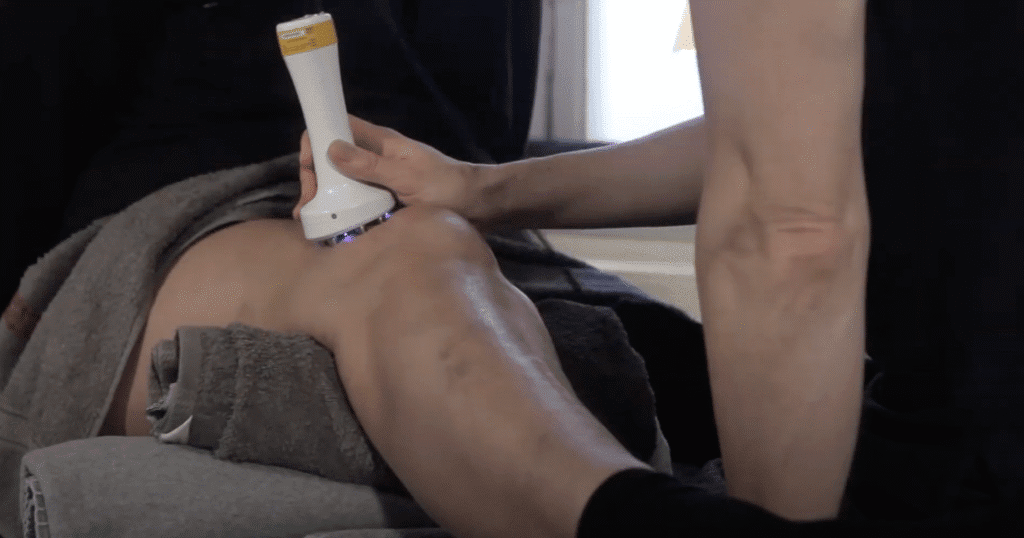
Photobiomodulation Therapy, also known as Low-Level Laser Therapy, uses specific wavelengths of light delivered to the affected area. The goal is not to heat or burn tissue. This is a non-invasive medical treatment designed to stimulate cellular activity, reduce inflammation and support tissue repair. Read more here.
At a biological level, the light energy is absorbed by structures within cells, particularly the mitochondria. This can improve cellular energy production and influence inflammatory pathways. In practical terms, that may help reduce pain, calm irritated tissue and support better joint function over time.
For osteoarthritis, this matters because pain does not come from cartilage alone. The joint capsule, synovium, ligaments, tendons and nearby muscles can all contribute. A medically guided laser treatment plan can be directed to the painful joint as well as the surrounding tissues that are adding to the problem.
What osteoarthritis pain actually involves
Many patients assume osteoarthritis pain is purely mechanical, as if the joint has simply worn down and nothing can be done beyond painkillers or eventual surgery. The reality is more nuanced. Osteoarthritis often includes an inflammatory component, muscular guarding and altered movement patterns that further stress the joint.
A painful knee, for example, may lead you to walk differently. That compensation can tighten the calf, overload the hip and reduce confidence in movement. The result is a cycle of pain, reduced activity, weakness and more stiffness. Effective treatment needs to look beyond the scan result and consider how the condition is affecting day-to-day function.
This is one reason many patients seek care after conventional approaches have only partly helped. They may have tried anti-inflammatory medication, topical creams, joint injections, exercises from a previous program or periods of rest. Some strategies help for a while. Others are limited by side effects, cost or the simple fact that pain returns when normal activity resumes.
Who may benefit from laser therapy for osteoarthritis pain
Laser therapy may be suitable for people with osteoarthritis affecting the knees, hips, hands, feet or spine-related joints, although the response can vary depending on the joint involved, the severity of degeneration and the presence of other conditions.
In general, the best candidates are those with pain, stiffness and reduced function who want a non-drug, non-surgical option as part of a broader management plan. It can be particularly relevant for people who are trying to reduce reliance on medication, are not ready for surgery, are not ideal surgical candidates or are looking for support between other treatments.
That said, osteoarthritis is not one condition with one identical pathway. A mildly irritated joint in an active person can respond differently from an advanced joint with major structural change. Laser therapy is often most useful when it is tailored to the stage of the condition and combined with sensible load management, movement advice and realistic treatment goals.
What the evidence says
The reason PBMT has gained attention in musculoskeletal medicine is that it has been studied across a range of painful conditions, including osteoarthritis. Research supports its use for reducing pain and improving function in selected patients, particularly when appropriate treatment parameters are used.
This last point matters. Not all laser devices are equivalent, and not all treatment protocols are clinically meaningful. Outcomes depend on factors such as wavelength, dose, treatment frequency, the depth of the target tissue and the accuracy of the diagnosis. Generic wellness-style claims can make the field sound vague, but in a clinical setting the therapy should be applied with a clear medical rationale.
For osteoarthritis, the evidence is strongest when laser therapy is part of a structured care plan rather than a stand-alone promise of cure. It may help reduce inflammation, improve comfort with movement and make it easier for patients to stay active. That can be significant, because preserving movement and strength is central to long-term joint management.
What treatment feels like and what to expect
A common concern is whether laser therapy hurts. However, treatment is painless and comfortable. Patients usually feel little or no sensation during the session, depending on the area treated and the device used.
The number of sessions needed depends on the chronicity and severity of the osteoarthritis, the joint involved and how the body responds. A long-standing arthritic knee with recurrent swelling will usually need more treatment than a recently aggravated thumb joint. Some people notice early changes in pain or stiffness, while others improve more gradually over a series of sessions.
It is also important to understand what improvement looks like. Success is not always dramatic pain elimination after one appointment. More often, patients report that the joint settles faster after activity, morning stiffness eases, walking becomes more manageable or they recover confidence using the joint again. These functional gains matter because they change what you can do in daily life.
The trade-offs and limitations
A trustworthy discussion of osteoarthritis treatment should include the limits. Laser therapy does not regrow severely damaged cartilage or reverse advanced joint deformity. If a joint is significantly degenerated, the aim is usually to reduce pain, improve movement and support function rather than to claim structural restoration.
It is also not a replacement for every other form of care. Many people still benefit from targeted exercise, weight management where relevant, footwear changes, bracing, pacing strategies or medical review of other treatment options. In some cases, imaging or orthopaedic assessment remains appropriate.
There is also the question of timing. Patients sometimes wait until the pain is severe and constant before seeking help. Earlier treatment may be more effective because it can address inflammation and movement restriction before the cycle becomes deeply entrenched. Even so, chronic cases can still improve, particularly when treatment is individualised and monitored properly.
Why medical oversight matters
Osteoarthritis can coexist with bursitis, tendon irritation, referred spinal pain, inflammatory arthritis or nerve-related symptoms. If the diagnosis is incomplete, treatment may miss the real driver of pain. That is why medical assessment matters.
In a doctor-led clinic, the first step is not simply applying a device to a sore area. It is reviewing the diagnosis, understanding symptom behaviour, identifying contributing tissues and deciding whether PBMT is appropriate. This approach is especially important for older adults with multiple health issues, previous surgeries or mixed pain presentations.
Patients often appreciate the difference immediately. Instead of being treated as a generic sore knee or sore hand, they receive a plan based on the actual pattern of pain, the likely tissue sources and realistic expectations about response. That clinical clarity is one of the reasons medical care can feel very different from a standard wellness offering.
Where laser therapy fits in a long-term osteoarthritis plan
The most effective osteoarthritis care is rarely about one single treatment. It is about reducing the pain enough to keep you moving well, maintaining strength and avoiding the spiral of inactivity that makes joints feel worse.
Laser therapy can play an important role here. By settling pain and inflammation, it may make movement more tolerable and help patients re-engage with walking, strengthening and ordinary daily tasks. For some, that means delaying more invasive procedures. For others, it means improving quality of life while they continue managing a chronic condition.
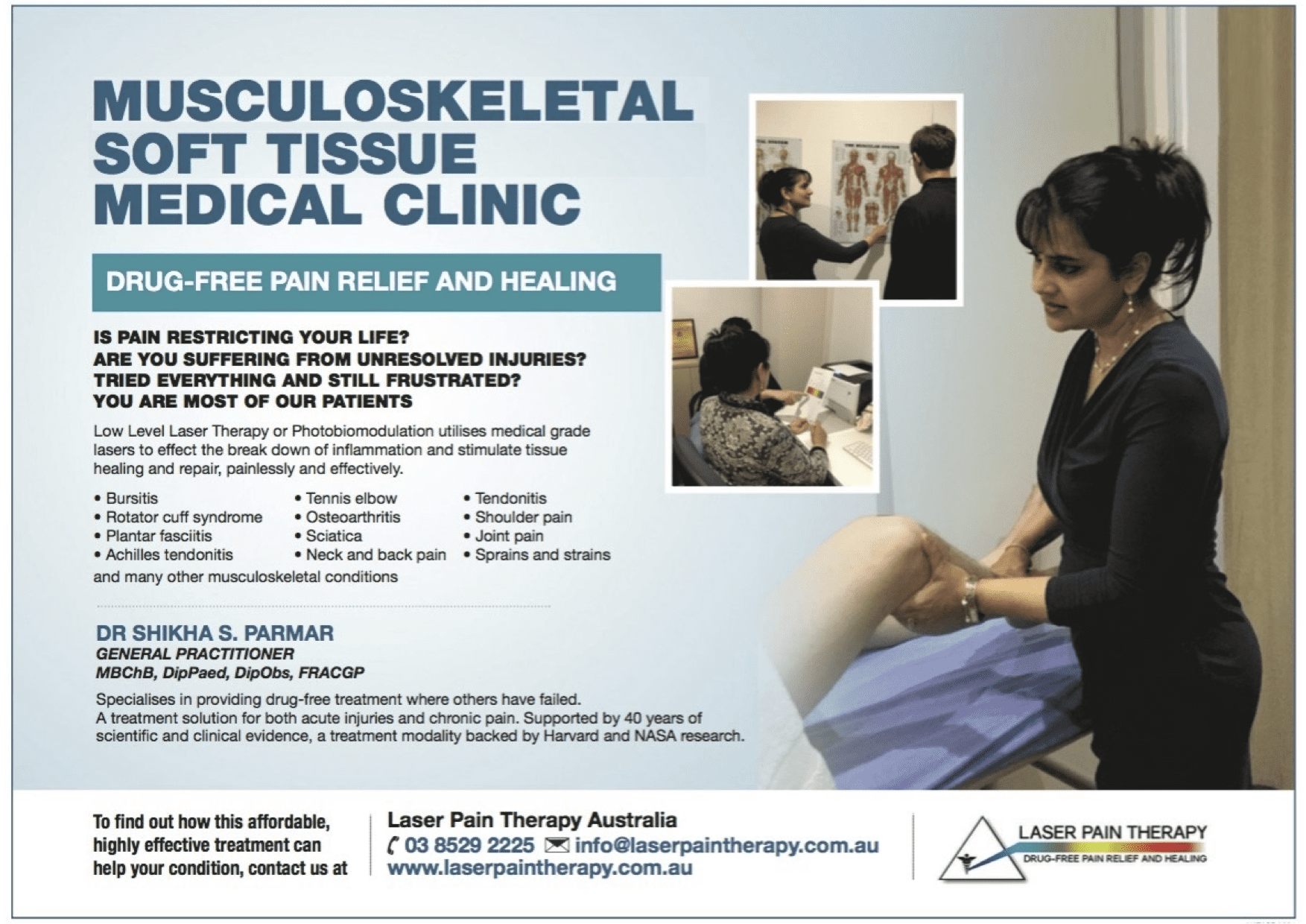
For patients in Melbourne looking for a clinically supervised, drug-free option, Laser Pain Therapy Australia can be a practical next step when conventional measures have not been enough. The key is choosing care that is evidence-based, medically guided and tailored to the joint in front of you rather than the marketing around it.
Living with osteoarthritis should not mean accepting that pain is your new baseline. The right treatment will not promise miracles, but it can make everyday movement feel possible again, and that is often where real progress begins.
Contact us today to arrange your consultation and take the first step towards recovery.
Located in Melbourne
(03) 8529 2225 Contact Us