When pain has lingered for months, or keeps returning every time you get active again, broad promises are not enough. A musculoskeletal laser treatment research review matters because patients want to know one thing: does photobiomodulation therapy actually help real musculoskeletal conditions, or is it simply another short-lived trend?
The short answer is that the research is encouraging, but not uniform across every condition, every device, or every treatment protocol. That distinction matters. In clinical practice, outcomes are shaped by diagnosis, chronicity, tissue involved, dosage, treatment frequency, and whether laser therapy is being used as a stand-alone intervention or as part of a broader management plan.
What the research is really studying
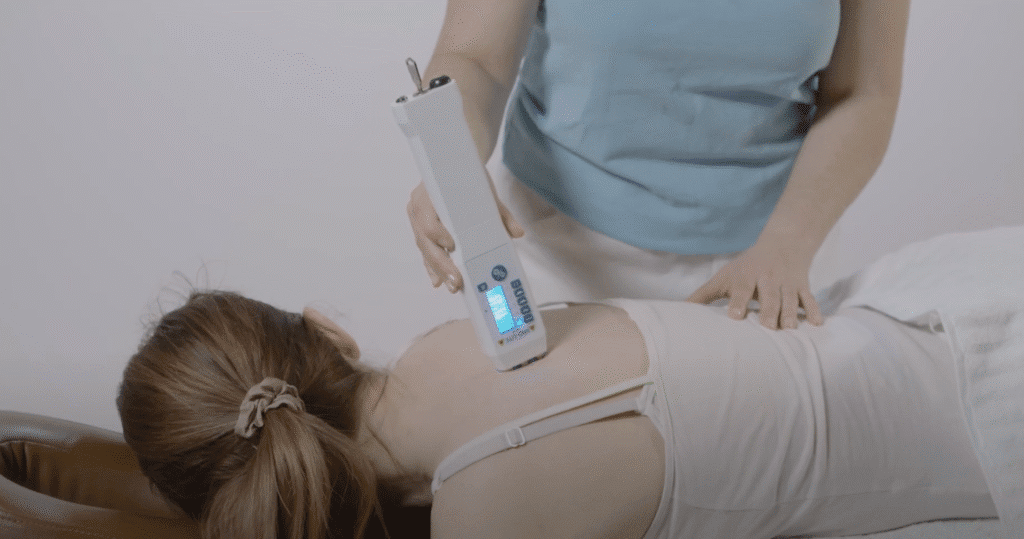
In a musculoskeletal laser treatment research review, the term “laser treatment” usually refers to photobiomodulation therapy, also known as low-level laser therapy. This is not a surgical laser and it does not work by heating or destroying tissue. Instead, it delivers specific wavelengths of light to support cellular activity linked to tissue repair, modulation of inflammation, and pain reduction.
Researchers commonly assess outcomes such as pain scores, range of motion, function, swelling, and time to recovery. Some studies focus on acute injuries such as tendon strains or ankle sprains. Others examine persistent conditions including osteoarthritis, tendinopathy, neck pain, low back pain, and myofascial pain.
That variety is useful, but it also creates a challenge when reading the evidence. Studies may use different wavelengths, energy doses, treatment schedules and outcome measures. One trial may treat a condition three times a week for two weeks, while another may use a completely different approach. This is one reason why research findings can appear mixed, even when the therapy itself has a sound biological basis.
Musculoskeletal laser treatment research review – where evidence is strongest
The most consistent support tends to appear in several common musculoskeletal presentations.
For tendinopathies, there is a reasonable body of evidence suggesting photobiomodulation can reduce pain and improve function, particularly when used alongside exercise-based rehabilitation. Conditions such as Achilles tendinopathy, lateral elbow pain, and some rotator cuff-related shoulder complaints have shown favourable responses in selected studies. The key phrase is selected studies. Results are strongest when treatment parameters are appropriate and the diagnosis is accurate.
For osteoarthritis, especially in the knee, the evidence is also promising. A number of reviews have reported reductions in pain and improvements in joint function following laser therapy. This does not mean cartilage is magically restored, and it should not be presented that way. What the data suggests is that laser treatment may help settle inflammation, reduce pain sensitivity, and improve movement enough for patients to function better and tolerate rehabilitation more comfortably.
Neck pain is another area where research has been relatively supportive. Some systematic reviews have found benefit in both acute and chronic neck pain, with improvements in pain intensity and disability. This can be clinically relevant for office workers, drivers, and patients with long-standing postural strain, especially where pain has become persistent rather than purely mechanical.
There is also evidence supporting laser use in soft tissue injury healing, including muscle strains and ligament injuries, where reducing inflammatory load and supporting tissue repair may assist recovery. In sport and overuse injuries, this can be valuable when the goal is not only pain relief but faster return to function.
Where the evidence is more mixed
Not every musculoskeletal condition responds equally well, and not every study shows a benefit.
Low back pain is a good example. Some trials report meaningful pain reduction and functional improvement, while others show little difference compared with sham treatment or usual care. Part of the problem is that “low back pain” is not a single diagnosis. It may involve joints, discs, muscles, fascia, nerves, or referred pain patterns. A treatment that helps one subgroup may be less effective in another.
Similarly, broad claims about arthritis, bursitis, or sports injuries can be misleading without clarification. A painful shoulder may be caused by subacromial irritation, rotator cuff tendinopathy, glenohumeral joint degeneration, or cervical referral. The label alone does not tell the full story. Research quality improves when the condition being treated is clearly defined, and clinical outcomes improve when treatment is tailored accordingly.
This is one reason medically supervised assessment matters. Laser therapy is not simply a matter of pointing light at pain. Good outcomes depend on understanding what tissue is involved, whether the pain is inflammatory, degenerative, neuropathic or mixed, and what other contributing factors need to be addressed.
Why treatment parameters matter so much
One of the main reasons research findings vary is dosage. In photobiomodulation, dosage is not a minor detail. Wavelength, power, treatment time, energy density, pulse settings, tissue depth, and frequency of sessions can all influence results.
Too little energy may fail to trigger the desired biological response. Too much may reduce effectiveness. This dose-response relationship is well recognised in photobiomodulation research and helps explain why a poorly designed study can underestimate the potential benefit of treatment.
It also explains why patients sometimes hear conflicting opinions. If one clinician uses a therapeutic protocol grounded in evidence and another uses a low-output device with inconsistent application, the patient experience may be very different. Research should therefore be read with attention to the device and protocol used, not just the headline result.
What the mechanism tells us
The biological rationale for laser therapy is one of its strengths. Photobiomodulation is understood to act at a cellular level, particularly through effects on mitochondrial function and signalling pathways involved in inflammation and tissue repair. In practical terms, this may translate to reduced inflammatory mediators, improved microcirculation, support for tissue healing, and modulation of pain pathways.
For patients, that mechanism matters because it aligns with the goals of musculoskeletal treatment. The aim is not simply to mask symptoms for a few hours. It is to calm irritated tissue, support healing where healing is possible, and improve function in a way that reduces reliance on medication or repeated flare-up management.
That said, mechanism alone does not prove clinical benefit. Many therapies have plausible mechanisms but inconsistent real-world outcomes. What makes laser therapy worth serious consideration is that its biological plausibility is accompanied by a growing body of clinical research across several common pain conditions.
Research limits patients should know about
A balanced musculoskeletal laser treatment research review should be honest about limitations.
First, study quality varies. Some trials are small, and some use protocols that are difficult to compare. Second, sham-controlled research in physical therapies is not always straightforward, particularly when treatment sensation is minimal. Third, improvements seen in studies may not always reflect the complexity of patients seen in a medical clinic, where there may be multiple diagnoses, long pain histories, failed prior treatment, or medication-related complications.
There is also the issue of expectation. Patients in pain can be understandably hopeful, especially after months or years of frustration. Laser therapy can be very useful, but it is not a cure-all. Some conditions improve quickly, some gradually, and some only partially. In chronic pain, especially where central sensitisation is involved, progress may depend on combining laser treatment with movement rehabilitation, load modification, and ongoing medical guidance.
What this means in practice
For the right patient, laser therapy can be a valuable non-invasive option. It is particularly appealing for people who want to avoid medication side effects, are not ready for injections or surgery, or have plateaued with standard approaches. It may also suit children, older adults, and patients who need a painless, comfortable treatment approach.
The strongest clinical use is not as a generic wellness add-on, but as part of an evidence-based treatment plan. That means starting with proper assessment, identifying the pain generator, selecting appropriate treatment parameters, and reviewing progress over time. In a doctor-led setting, this gives patients a clearer sense of whether treatment is likely to help and how it should be integrated with the rest of their care.
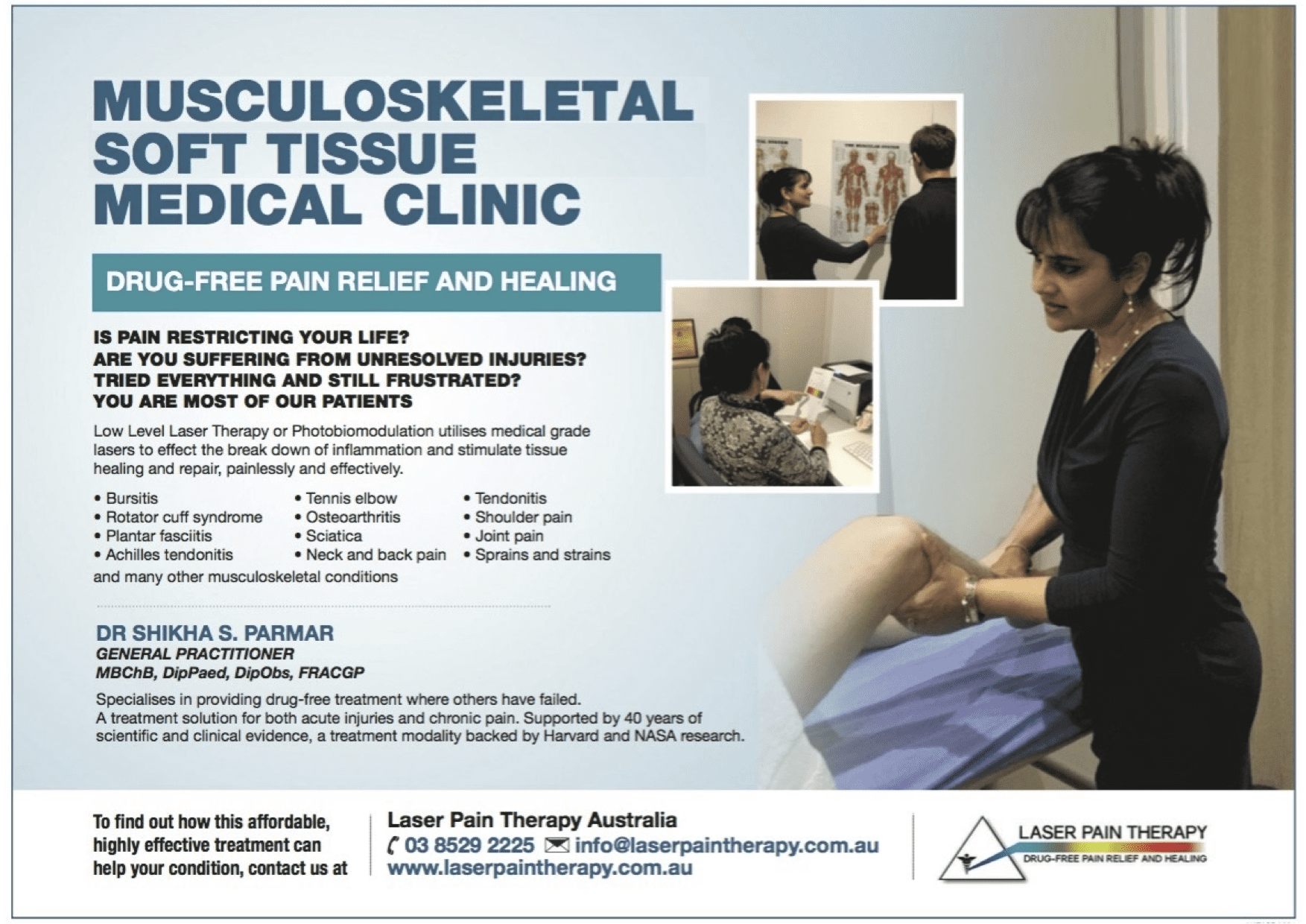
In Melbourne, clinics such as Laser Pain Therapy have built their model around this more rigorous approach – combining diagnosis review, personalised planning and clinically guided photobiomodulation rather than offering one-size-fits-all sessions.
Is the evidence strong enough to consider treatment?
For many musculoskeletal conditions, yes. Not because every study is perfect, and not because laser therapy outperforms every other treatment in every scenario, but because the overall evidence base supports a meaningful clinical role when treatment is properly selected and properly delivered.
Patients should be cautious of two extremes. One is dismissing laser therapy because some studies are mixed. The other is treating it as a miracle solution. The research points to something more practical: a scientifically grounded therapy with credible evidence in selected conditions, clear safety advantages, and the potential to reduce pain and improve function without drugs or invasive procedures.
If you are weighing options for persistent joint, muscle, tendon or nerve-related pain, the useful question is not whether laser therapy works in the abstract. It is whether it is appropriate for your diagnosis, your stage of healing, and your recovery goals. That is where good medicine and good evidence meet, and where treatment decisions become more helpful than marketing claims.
Contact us today to arrange your consultation and take the first step towards recovery.
Located in Melbourne
(03) 8529 2225 Contact Us