Low Level Laser Therapy for Pain Explained
When pain has been lingering for weeks or months, most people are not looking for another vague promise. They want a treatment that is non-invasive, evidence-based and practical. That is why low level laser therapy for pain has gained attention in medical pain management. Used appropriately, it can help reduce inflammation, support tissue repair and improve function without relying on medication or invasive procedures.
Low-level laser therapy, also called photobiomodulation therapy or PBMT, uses specific wavelengths of light to stimulate cellular activity in injured or irritated tissue. This is not the same as surgical laser treatment, and it does not burn or cut tissue. The treatment is comfortable, non-invasive and well tolerated across a wide age range, including older adults and, in some cases, children with sports or overuse injuries.
What low level laser therapy for pain actually does
Pain is rarely just about one structure. A sore knee may involve joint inflammation, tendon strain, muscle guarding and altered movement patterns. A painful shoulder can include bursitis, rotator cuff irritation and nerve sensitivity all at once. This matters because treatment works best when it addresses both pain and the tissue processes underneath it.
Low level laser therapy is used to deliver light energy into tissue at therapeutic doses. At a cellular level, that energy can influence mitochondrial function, improve cellular metabolism and support the repair response. Clinically, the aim is to reduce inflammation, decrease pain, improve local circulation and help injured tissues recover more effectively.
Patients often ask whether this means the pain simply gets masked. In a medically supervised setting, the goal is the opposite. Rather than covering symptoms for a few hours, PBMT is used to support healing while also reducing the pain that limits movement and recovery. For some patients, that means less stiffness in the morning. For others, it means walking with less limping, sleeping better or returning to work duties with fewer flare-ups.
Which types of pain may respond well
This treatment is commonly used for musculoskeletal pain and soft tissue injury. That includes conditions affecting joints, muscles, tendons, ligaments, nerves and surrounding connective tissue. Acute injuries may respond well, particularly where inflammation and tissue stress are driving pain. Chronic pain may also improve, although it usually requires a more individualised plan and realistic expectations.
Common examples include osteoarthritis, neck pain, lower back pain, shoulder pain, tennis elbow, plantar fasciitis, tendon injuries, bursitis, sprains, strains and repetitive strain problems. It may also be considered for nerve-related pain where peripheral nerve irritation is involved.
That said, not every painful condition is a strong candidate. If pain is coming from a serious underlying pathology, widespread systemic illness or a condition requiring urgent medical intervention, laser treatment should never replace appropriate diagnosis and medical care. Treatment is most appropriately considered after the cause of pain has been properly assessed.
Why medical assessment matters before treatment
One of the biggest differences between a focussed medical clinic and a general wellness service is diagnosis. Pain in the same body part can have very different causes, and treatment should reflect that. A swollen knee after sport is not managed the same way as long-standing degenerative joint pain. A tingling arm may be a local tendon problem, or it may be coming from the neck.
For that reason, low level laser therapy for pain is most valuable when used as part of a broader clinical plan. A doctor-led assessment can help review the diagnosis, clarify whether PBMT is appropriate and identify any red flags or contributing factors that need attention. It also helps determine where treatment should be targeted, how often sessions should occur and what outcomes are realistic.
This is especially important for chronic pain. If symptoms have been present for months or years, there is often more than one issue involved. Inflammation may still be present, but there may also be tissue degeneration, reduced strength, movement compensation and central pain sensitisation. Laser therapy can play an important role, but it is not magic. Good care starts with an accurate understanding of the problem.
What treatment feels like and what to expect
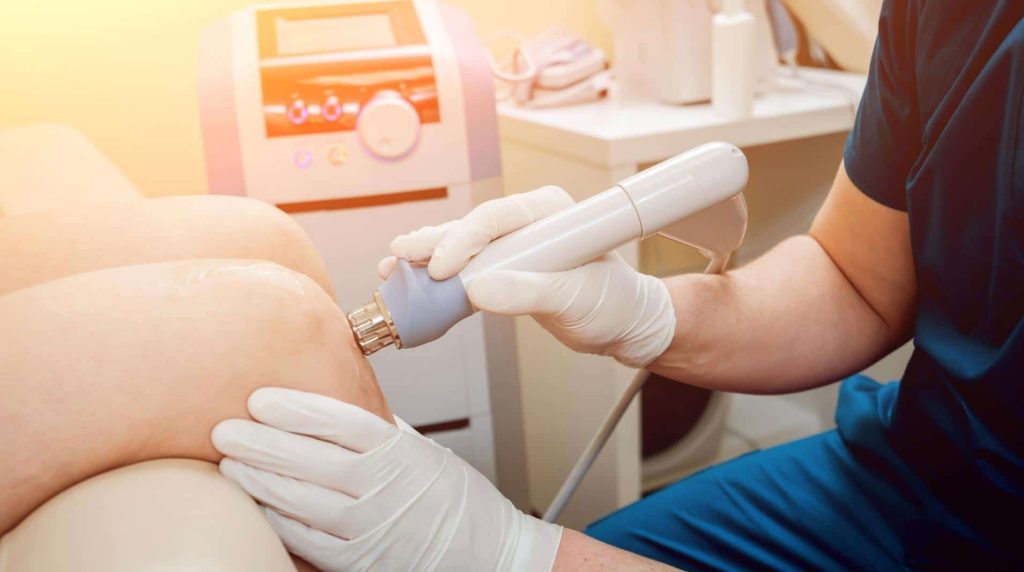
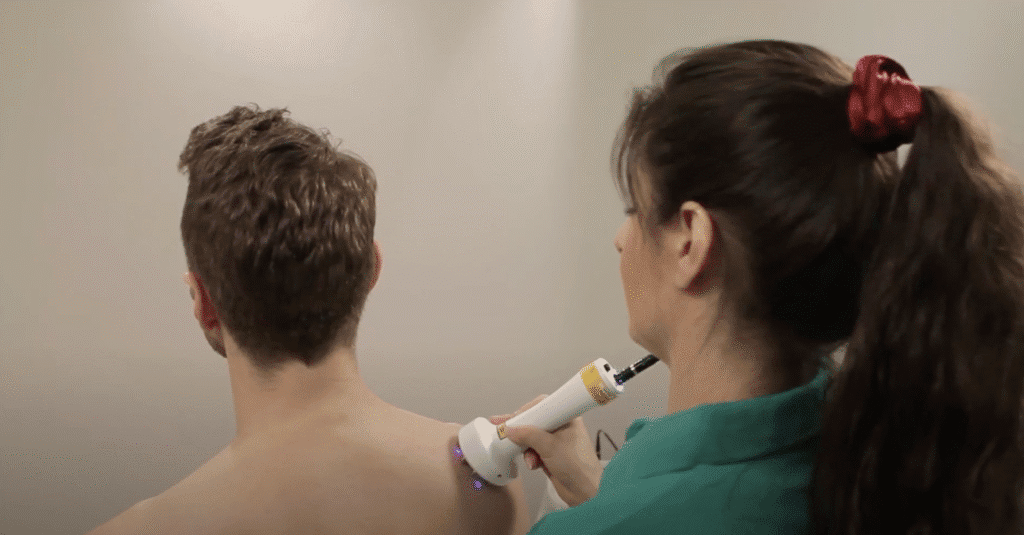
Treatment is straightforward. During a session, the laser applicator is placed over the targeted area according to a treatment plan based on the condition and tissue depth. The sensation is usually minimal. Some people feel gentle warmth, while others feel very little during the session itself.
There is no cutting, no injection and no downtime in the usual sense. Patients return to normal daily activities straight away, although advice may be given about pacing, exercise modification or managing load on the affected area.
Response time varies. Acute injuries may sometimes improve relatively quickly because inflammation is more active and tissues are in an earlier phase of repair. Chronic conditions often need a course of treatment over time. Some patients may notice reduced pain after a few sessions, while others may first notice easier movement, better sleep or less post-activity aggravation before major pain changes occur.
Evidence, outcomes and realistic expectations
Patients are right to ask whether the treatment is proven. PBMT has been studied across a range of musculoskeletal and pain-related conditions, and the evidence base supports its use in selected clinical contexts. Research has shown benefits in pain reduction, inflammation control and tissue healing, although outcomes depend heavily on the diagnosis, the treatment parameters used and the overall care plan.
This is where nuance matters. Laser therapy is not equally effective for every condition, and poor-quality treatment protocols can lead to disappointing results. The right wavelength, dose, treatment location and treatment frequency all matter. So does patient selection. Someone with mild tendon irritation and a recent flare may respond very differently from someone with severe joint degeneration and years of mobility loss.
That does not make the therapy uncertain. It means it should be used professionally, not casually. In the right setting, clinically meaningful improvement may be achievable, particularly for patients seeking a non-drug, non-surgical option that is well tolerated.
The appeal for people trying to avoid medication or surgery
Many adults with ongoing pain are caught between options they do not love. Pain medicines may help, but side effects, limited long-term benefit and concerns about dependence can make them a poor fit. Surgery may be necessary in some cases, but many people either do not need it, are not ready for it or want to try conservative treatment first.
This is where PBMT often fits well. It offers a non-invasive option that aims to improve the biology of healing while also addressing pain. For older adults managing osteoarthritis, that can be particularly appealing. For office workers with repetitive strain problems, it may support recovery without extended disruption to work. For active people with overuse injuries, it may help settle inflammation and support return to training when used alongside appropriate load management.
Parents also tend to value the fact that treatment is drug-free and comfortable when a young person is dealing with a sports injury or soft tissue strain. Suitability should always be assessed individually, but its well-tolerated nature is one reason this therapy continues to attract interest.
Who is most likely to benefit from low level laser therapy for pain
Suitable candidates are often patients with clearly defined musculoskeletal pain who want evidence-based conservative care and have not had adequate relief from rest, medication or standard therapies alone. It may be especially useful where inflammation, tissue irritation or delayed healing are part of the picture.
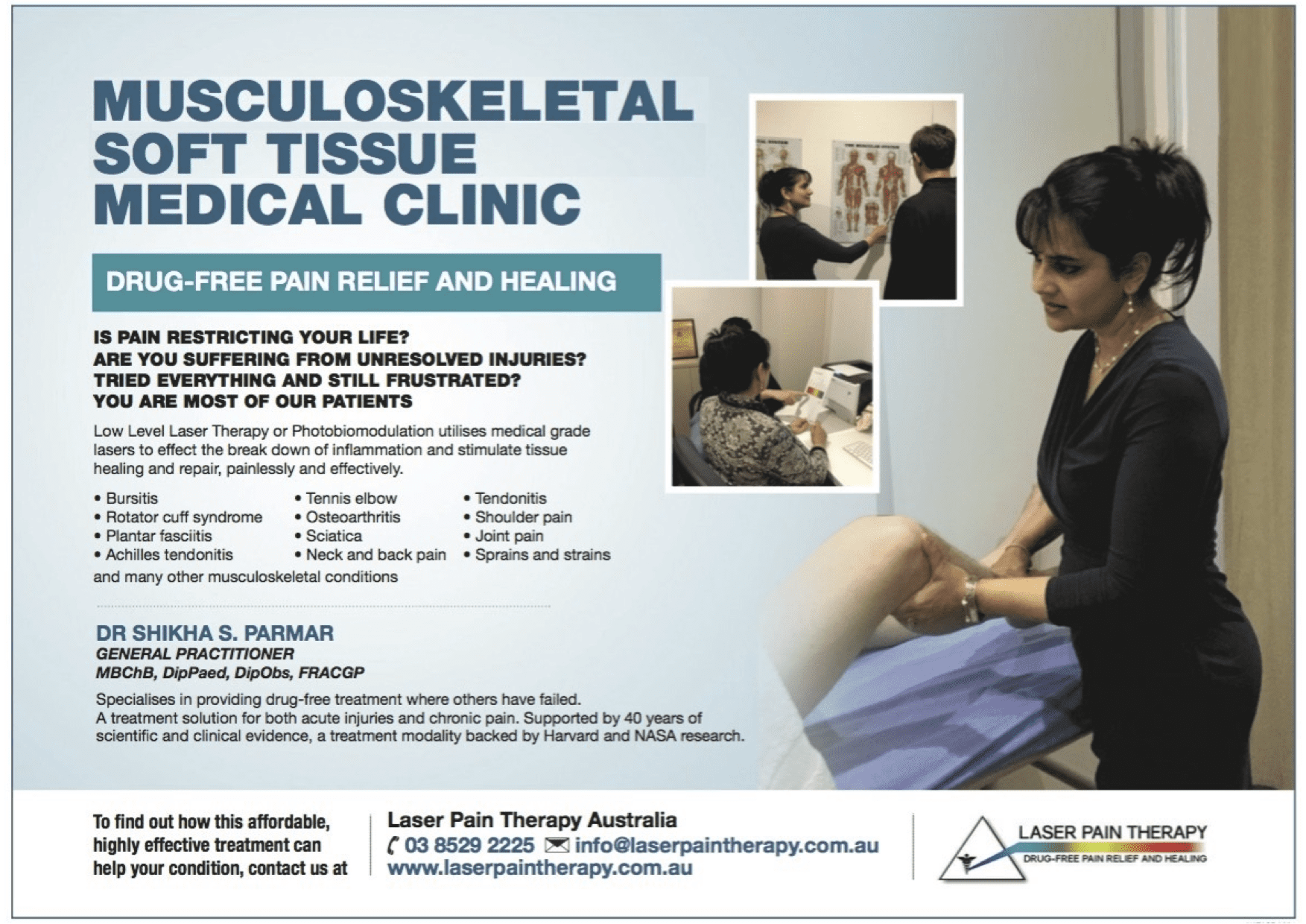
Patients with chronic pain may also benefit, particularly when the treatment is part of a structured plan rather than a one-off session approach. That plan may include diagnosis review, monitoring of progress and adjustments based on clinical response. In Melbourne, clinics such as Laser Pain Therapy have built their model around this more medically supervised pathway because it gives patients a clearer understanding of what is being treated and why.
The key question is not whether laser therapy is fashionable. It is whether your pain has been properly assessed and whether this treatment matches the condition, the stage of injury and your recovery goals.
If you have been putting up with pain because you are tired of short-term fixes, it may be worth looking at therapies that do more than suppress symptoms. The aim of the right treatment is to help you move with more confidence, recover with less frustration and get back to daily life with fewer compromises.
Contact us today to arrange your consultation and take the first step towards recovery.
Located in Melbourne
(03) 8529 2225 Contact Us