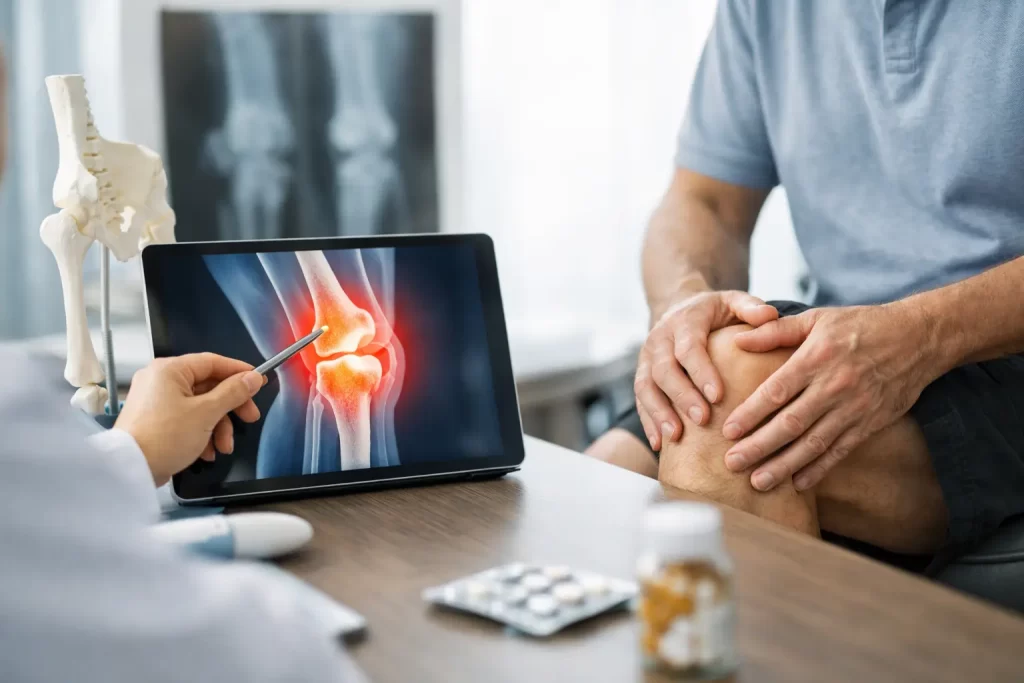
When a knee aches every time you stand up, or your shoulder complains whenever you reach overhead, daily life starts to shrink. Good joint pain treatment should not simply dull symptoms for a few hours. It should ask why the joint is painful, what tissues are involved, and what can be done to calm inflammation, support repair, and restore movement safely.
For many people, that distinction matters. Joint pain is often treated as though it is a single problem, but it rarely is. Pain may come from osteoarthritis, bursitis, tendon irritation, ligament strain, inflammatory change, overuse, or an old injury that never settled properly. The right treatment plan depends on the cause, the duration of symptoms, the severity of tissue irritation, and the impact on function.
What effective joint pain treatment should actually do
A clinically sound approach has three goals. First, it should reduce pain. Second, it should improve function, so walking, lifting, sleeping, or getting through work becomes easier. Third, it should support tissue recovery where possible rather than relying only on temporary symptom control.
That is where many patients become frustrated. Painkillers may help short term, but they do not directly improve tissue healing. Rest can be useful in the early phase of an acute flare, but too much rest can lead to stiffness and weakness. Injections may have a role in selected cases, but they are not the right answer for everyone, especially when the aim is ongoing recovery rather than brief relief.
A better starting point is a proper assessment. Joint pain can be felt in the knee, hip, shoulder, elbow, wrist, ankle, or small joints of the hands and feet, yet the pain source may involve surrounding soft tissue as much as the joint itself. Tendons, ligaments, cartilage, synovial tissue, and nearby muscles all influence how a joint functions and how pain develops.
Why joints become painful
Joint pain may begin suddenly after a twist, fall, sporting injury, or repetitive strain. It can also build gradually over months or years. In older adults, degenerative change is common, but pain is not always explained by age alone. Many people have imaging that shows wear and tear yet remain functional, while others have modest structural change but significant pain and stiffness.
Inflammation is often part of the picture, even in chronic conditions. This does not always mean dramatic swelling or redness. It can present as heat, aching, morning stiffness, reduced range of motion, or pain that worsens after activity. In some cases, the issue is mechanical overload. In others, tissue healing has stalled and the area remains irritated well beyond the original injury.
This is why one-size-fits-all advice can miss the mark. A swollen arthritic knee, a frozen shoulder, and an overused Achilles tendon may all be described as joint pain, but they do not respond best to identical management.
A medical approach to joint pain treatment
The most useful treatment plans are individualised and based on clinical review, not guesswork. That usually means looking at symptom history, previous scans or diagnoses, aggravating movements, daily functional limits, and any barriers to recovery such as poor sleep, repeated strain, or long-standing inflammation.
From there, treatment may involve a combination of load modification, movement advice, targeted rehabilitation, and non-invasive therapies designed to reduce inflammation and stimulate repair. This approach is particularly relevant for people who want to avoid escalating medication use or who are not ready for invasive procedures.
For some patients, surgery is clearly indicated. A severely unstable joint, major structural damage, or advanced disease may require orthopaedic review. But a large number of joint conditions sit in the space between doing nothing and having surgery. That is where conservative, medically supervised care can make a meaningful difference.
How photobiomodulation fits into joint pain treatment
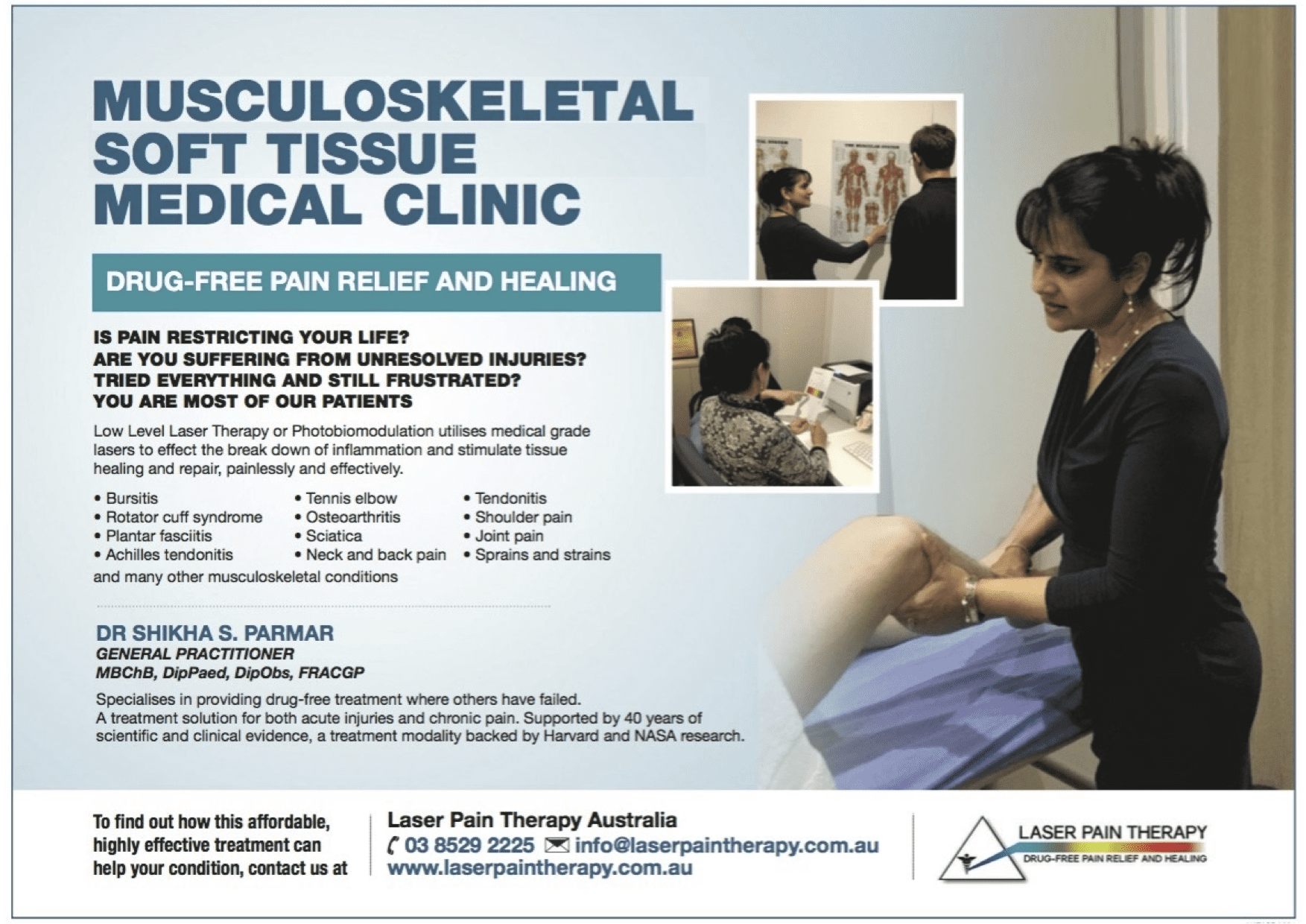
Photobiomodulation Therapy, also known as Low-Level Laser Therapy, is a non-invasive treatment used to manage musculoskeletal pain and support tissue healing. It works by delivering specific wavelengths of light to affected tissues. These light signals are absorbed at a cellular level and can help improve energy production within cells, modulate inflammation, encourage tissue repair, and reduce pain.
For patients with joint pain, that matters because many painful joints are not just worn or irritated. They are biologically stressed. The tissues around them may be inflamed, slow to heal, or mechanically overloaded. PBMT aims to influence that environment rather than simply masking symptoms.
Clinical use of laser therapy is especially relevant in conditions where inflammation and soft tissue dysfunction are contributing factors. This can include osteoarthritis-related pain, tendon and ligament injuries near joints, bursitis, repetitive strain problems, post-injury stiffness, and chronic pain states where healing appears to have stalled.
The treatment itself is painless and comfortable. Patients typically feel little or no sensation during a session. There is no incision, no injection, and no recovery downtime afterwards. That makes it suitable for a broad range of people, including older adults, busy workers, active individuals trying to stay mobile, and in many cases children with sports or overuse injuries.
What conditions may respond well
Joint pain treatment using PBMT is not limited to one diagnosis. It may be considered for knees affected by osteoarthritis, shoulders with rotator cuff irritation or bursitis, elbows with tennis or golfer’s elbow, wrists irritated by repetitive tasks, hips with soft tissue strain, and ankles affected by sprains or chronic inflammation.
Results depend on the condition. Acute injuries may respond more quickly because the tissue is in an active healing phase. Chronic conditions can also improve, but they often need a more structured plan and realistic expectations. When pain has been present for months or years, the aim is usually progressive improvement in pain levels, mobility, activity tolerance, and quality of life rather than an overnight fix.
That distinction is important. Evidence-based care is not about overpromising. It is about choosing treatments with a plausible biological effect, applying them appropriately, and tracking whether the patient is actually improving.
Why diagnosis still matters
Not every painful joint should be treated the same way. A patient with inflammatory arthritis needs a different medical pathway from someone with a mild ligament sprain. Referred pain from the spine can mimic hip or shoulder joint problems. Nerve involvement can change the pattern of pain entirely.
That is why doctor-led assessment adds value. Before starting treatment, there should be enough clinical confidence that the pain source has been identified or at least sensibly narrowed down. Previous imaging can be reviewed if available, but scans alone should not dictate care. A treatment plan needs to match the person, not just the report.
At a medical clinic such as Laser Pain Therapy in Melbourne, this means combining medical assessment with a personalised laser therapy plan where appropriate. For patients who have tried rest, tablets, standard physiotherapy, or repeated stop-start approaches without lasting relief, that level of individualisation can be the difference between ongoing frustration and measurable progress.
What to expect from treatment
Most patients want to know two things: how long it will take and whether it will actually help. The honest answer is that it depends. The duration of symptoms, the type of tissue involved, the severity of inflammation, age, activity demands, and previous treatment history all influence response.
Some people notice easier movement or reduced pain after the first few sessions. Others improve more gradually over a course of care. Chronic joint pain often requires repeated treatment to shift long-standing inflammation and support tissue recovery. That does not mean indefinite therapy. It means having a structured plan, reassessing progress, and adjusting treatment based on response.
The best outcomes usually come when pain relief is paired with sensible changes in joint loading and movement. If a shoulder keeps being overloaded or an arthritic knee is pushed beyond its current capacity every day, treatment has to work against that ongoing strain. Guidance around activity, pacing, and rehabilitation remains part of responsible care.
When to seek help sooner
Joint pain should not simply be endured because it seems common. Persistent swelling, recurring instability, sharp pain with weight-bearing, major loss of motion, pain that wakes you regularly at night, or symptoms that continue despite rest and basic care all warrant proper assessment.
Early review can prevent a manageable issue from becoming a chronic one. It can also reduce the cycle many patients know too well – ignore the pain, push through, flare up, rest briefly, then start again from the beginning.
The right joint pain treatment is not always the most aggressive option. Quite often, it is the treatment that is targeted, medically guided, and designed to support the body’s repair processes while helping you move with less pain. If your joint has been limiting your work, sleep, exercise, or confidence in daily movement, the next step should feel practical and evidence-based, not like another guess.
Contact us today to arrange your consultation and take the first step towards recovery.
Located in Melbourne
(03) 8529 2225 Contact Us