Pain changes how you move, sleep and think. For many people, the real frustration is not just the pain itself, but the cycle that follows – tablets that only dull symptoms, flare-ups that keep returning, and treatments that never seem to address why the pain is still there. That is why interest in drug free pain relief treatment continues to grow, particularly among people looking for a medically guided option that supports healing as well as symptom control.
For musculoskeletal pain, the question is not simply how to feel better today. It is how to reduce inflammation, improve tissue repair and restore function without creating a new problem through medication side effects, dependency concerns or repeated short-term fixes. A good treatment plan needs to be safe, evidence-based and tailored to the actual source of pain.
What drug free pain relief treatment really means
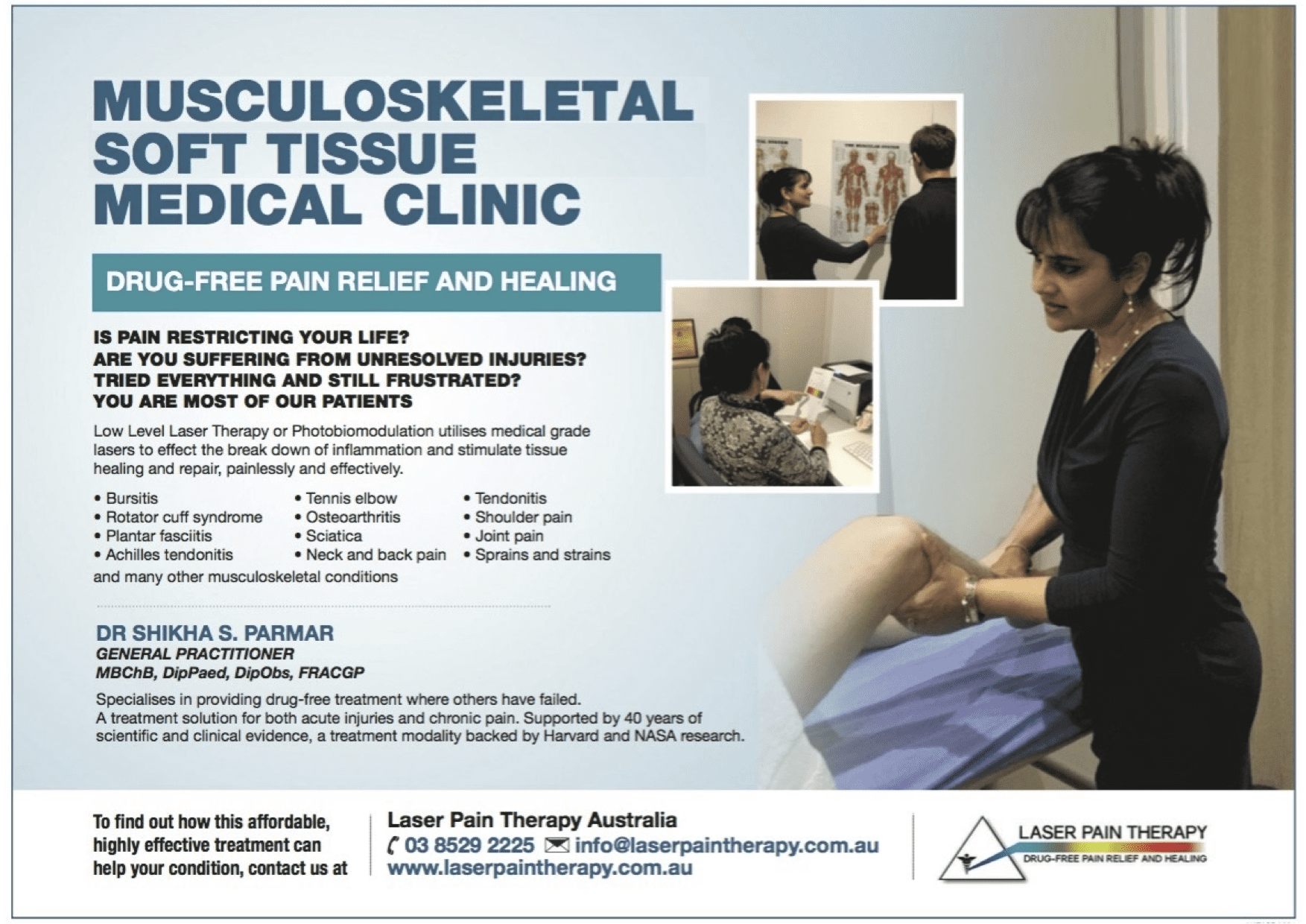
Drug free pain relief treatment is not one single therapy. It is an approach to pain management that avoids relying on pharmaceutical pain relief as the main solution. Depending on the condition, this may include guided exercise, manual therapies, heat or cold application, bracing, rehabilitation programs and non-invasive medical technologies such as Photobiomodulation Therapy, also known as Low-Level Laser Therapy.
The most important distinction is this: not every non-drug option is equally precise or clinically useful. A generic wellness treatment may feel pleasant without changing the underlying condition. In contrast, a medically supervised treatment plan starts with assessment, reviews diagnosis and matches the therapy to the tissue involved, whether that is tendon, joint, nerve, ligament or muscle.
This difference matters most in persistent pain. If shoulder pain has lasted six months, or knee pain keeps flaring whenever you walk further than usual, symptom relief alone is rarely enough. The treatment needs to support biological repair and improve function over time.
Why patients look for drug free pain relief treatment
Many people seek an alternative to medication because they are trying to avoid common issues such as drowsiness, gastric irritation or limited benefit from long-term use. Others have been told to rest, wait or keep taking anti-inflammatories, yet their pain remains much the same. Parents may also prefer a non-invasive option for sporting injuries in children and teenagers when clinically appropriate.
There is also a practical reason. Pain medication can reduce discomfort, but it does not directly repair a strained tendon, calm irritated nerve tissue or help damaged soft tissue regenerate. For acute injuries, that may slow the return to normal activity. For chronic conditions, it can lead to an exhausting pattern of temporary relief followed by renewed pain and stiffness.
That does not mean medication has no place. In some cases, short-term pharmaceutical support is reasonable, particularly when pain is severe or sleep is affected. But it should be part of a broader treatment strategy, not the only strategy.
How laser therapy fits into drug free pain relief treatment
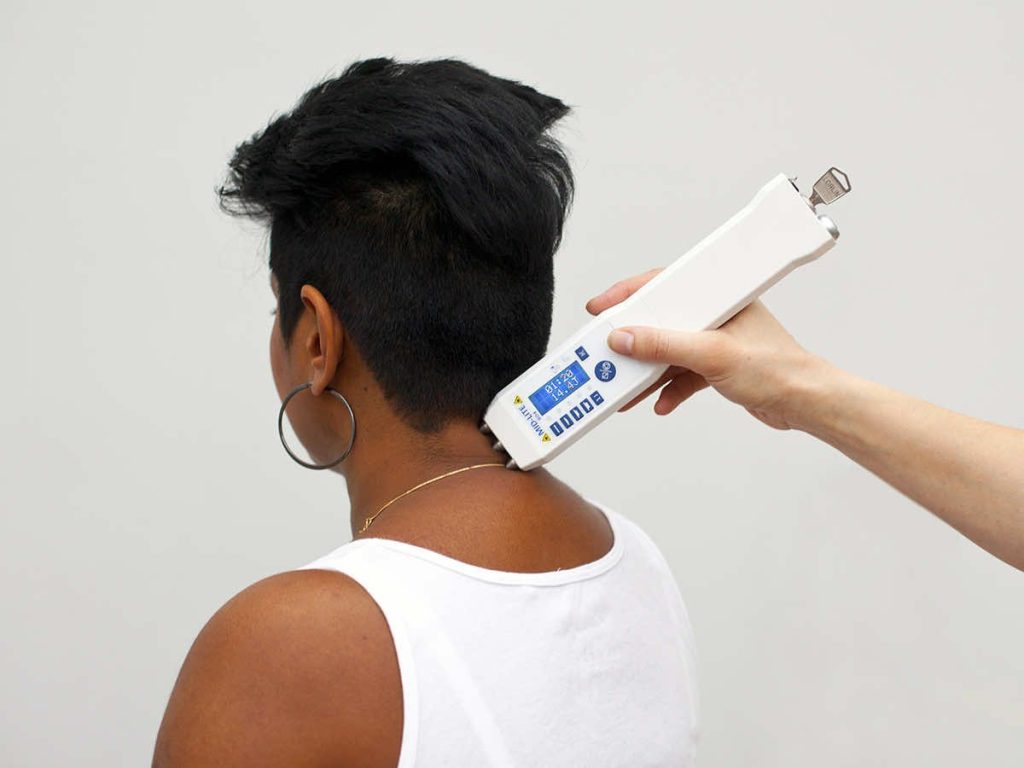
Photobiomodulation Therapy uses specific wavelengths of light to stimulate cellular activity in injured or inflamed tissue. This is not a heat-based treatment and it does not damage the skin. The goal is to encourage the body’s repair processes, reduce inflammation and improve local circulation while also helping to modulate pain.
At a cellular level, light energy is absorbed by mitochondria, which are involved in energy production. This process can support tissue recovery and reduce inflammatory activity in a way that is highly relevant for musculoskeletal pain. In practical terms, patients are usually looking for outcomes such as less pain on movement, reduced swelling, improved range of motion and better day-to-day function.
This approach is especially useful because it is non-invasive and generally well tolerated. Treatment is painless for most patients, with sessions often described as comfortable and straightforward. That makes it suitable across a wide age range when clinically indicated, including older adults managing degenerative joint pain and active people trying to recover from overuse injuries.
Conditions that may respond well
Laser-based drug free pain relief treatment can be considered for a broad range of musculoskeletal conditions. These include osteoarthritis, tendon injuries, bursitis, plantar fasciitis, neck and back pain, tennis elbow, shoulder impingement, ligament sprains, muscle tears and nerve-related pain.
Response depends on several factors. Acute injuries often improve more quickly because the tissue is in an earlier healing phase. Chronic pain can also respond well, but it may require a more structured treatment plan and closer review of contributing issues such as biomechanics, workload, joint degeneration or delayed diagnosis.
This is why proper assessment matters. A sore knee caused by early osteoarthritis needs a different clinical strategy from knee pain caused by a meniscal injury or patellar tendon overload. The treatment may still involve laser therapy, but the expected timeline, dosing and supporting advice will differ.
What makes a medically supervised approach different
One of the biggest problems in pain care is the assumption that all non-invasive treatments are interchangeable. They are not. The quality of the assessment often determines the quality of the result.
A medically supervised clinic will usually begin with a careful history, review of symptoms, examination findings and any existing imaging or specialist reports. This helps confirm whether the diagnosis still makes sense and whether there are any red flags, complicating factors or reasons to refer elsewhere. That level of review is particularly valuable for people who have already tried physiotherapy, massage, injections or medication without lasting benefit.
It also helps set realistic expectations. Some patients notice change quickly, especially with recent injury or inflammation. Others improve gradually over several sessions. If pain has been present for years, there may be a meaningful reduction in pain and better movement without the condition being completely reversed. Good medical care does not overpromise. It explains what is likely, what is possible and what may limit progress.
Benefits and trade-offs to understand
The main attraction of drug free pain relief treatment is obvious: it offers a way to manage pain without increasing medication burden. For many patients, that means fewer concerns about side effects and more confidence in continuing treatment over time. With laser therapy specifically, the benefits may include reduced inflammation, faster tissue healing, improved mobility and less reliance on anti-inflammatory or analgesic medication.
The trade-off is that non-drug treatment is not always instant. A tablet may work within hours, while tissue recovery takes time. Patients looking for long-term improvement usually accept this, but it is still worth stating clearly. The aim is not just to mute symptoms. The aim is to shift the condition in a better direction.
Another important point is that not every pain condition is suitable for the same treatment. Some cases require imaging, medical input or combined management. There are also situations where surgery, injections or medication remain appropriate. A credible clinic will recognise those boundaries.
What to expect from treatment
Most patients want to know two things: will it hurt, and how many sessions will I need? Laser therapy is generally painless and comfortable. Session length and treatment frequency vary depending on the body area, severity of symptoms and whether the problem is acute or chronic.
A personalised plan should be based on clinical findings rather than a one-size-fits-all package. That may include an initial consultation, diagnosis review, a schedule of treatment sessions and follow-up to track changes in pain, mobility and function. In Melbourne, Laser Pain Therapy position this process within a medical framework, which can be reassuring for patients who want more than a generic wellness service.
Improvement is often measured by practical outcomes. Can you walk further without pain? Sleep more comfortably? Lift your arm higher? Return to work duties or sport with less restriction? Those are the changes that matter in daily life, and they are usually a better indicator of progress than pain scores alone.
Is drug free pain relief treatment right for you?
If your pain has persisted despite rest, medication or standard care, it is reasonable to ask whether the current approach is doing enough. The same applies if you are avoiding medication because of side effects, age, other health conditions or personal preference. A non-invasive, evidence-based treatment may be worth considering when the goal is not only symptom relief but better healing and function.
The best candidates are usually people with musculoskeletal pain who want a clinically grounded alternative and are prepared to follow a treatment plan rather than chase a quick fix. That includes office workers with repetitive strain, older adults with arthritic joints, active people with tendon or soft tissue injuries, and patients who have been living with pain for far too long.
Pain treatment should not force you to choose between coping and hoping. When care is properly assessed, personalised and backed by evidence, a drug-free option can be more than an alternative – it can be the step that finally helps your body move forward.
Contact us today to arrange your consultation and take the first step towards recovery.
Located in Melbourne
(03) 8529 2225 Contact Us