What is Photobiomodulation Therapy?
When pain has been hanging around for months, or keeps returning every time you get back to normal activity, the usual cycle of rest, tablets and waiting can start to feel very old. That is often when people begin asking, what is photobiomodulation therapy, and whether it offers something more targeted than short-term symptom control.
Photobiomodulation therapy, often shortened to PBMT, is a non-invasive medical treatment that uses specific wavelengths of light to support healing, reduce inflammation and relieve pain. It is also commonly known as low-level laser therapy, or LLLT. Unlike surgical lasers, which cut or heat tissue, PBMT uses low-intensity light to influence how cells function. The aim is not to damage tissue, but to encourage repair.
For patients dealing with tendon pain, joint stiffness, nerve irritation, soft tissue injury or persistent musculoskeletal pain, that difference matters. PBMT is designed to support the body’s own healing processes while helping improve comfort and movement. It is drug-free, comfortable and suitable for many selected acute and chronic musculoskeletal conditions.
What is photobiomodulation therapy and how does it work?
At a cellular level, photobiomodulation therapy works by delivering light energy into the affected tissue. That light is absorbed by structures within cells, particularly the mitochondria, which are responsible for producing cellular energy. When the cells receive this targeted light exposure, they can increase energy production and improve their ability to repair and regulate inflammation.
This matters because injured or irritated tissue is often metabolically stressed. Healing may be slow, especially when pain has become chronic or when blood flow, inflammation and tissue recovery are out of balance. PBMT aims to shift that environment in a more favourable direction.
Clinically, the effects may include reduced inflammation, improved circulation, enhanced tissue repair and a decrease in pain signals. Depending on the condition, treatment may target muscles, tendons, ligaments, joints, nerves or deeper soft tissues. The body part being treated does not feel heated or burned. At Laser Pain Therapy Australia, treatment is comfortable and straightforward.
Why PBMT is different from heat packs, massage and pain medication
Many people first hear about laser treatment and assume it is just another version of heat therapy. It is not. Heat packs mainly warm the surface and can provide temporary comfort. Massage may reduce muscle tension and improve short-term mobility. Pain medication can help suppress symptoms, but it does not directly stimulate tissue repair.
Photobiomodulation therapy is different because it is used to trigger a biological response within the cells themselves. The goal is not simply to cover up discomfort, but to support recovery at the source of the problem. That does not mean it is a miracle fix or that every patient responds at the same rate. It does mean the treatment approach is based on tissue healing and inflammation control, rather than symptom masking alone.
That distinction is particularly relevant in chronic pain. When pain has lasted for weeks or months, there may be ongoing tissue stress, repeated aggravation, reduced function and secondary compensation in nearby muscles or joints. In those cases, a medically guided treatment plan is usually more useful than isolated self-management strategies.
What conditions is photobiomodulation therapy used for?
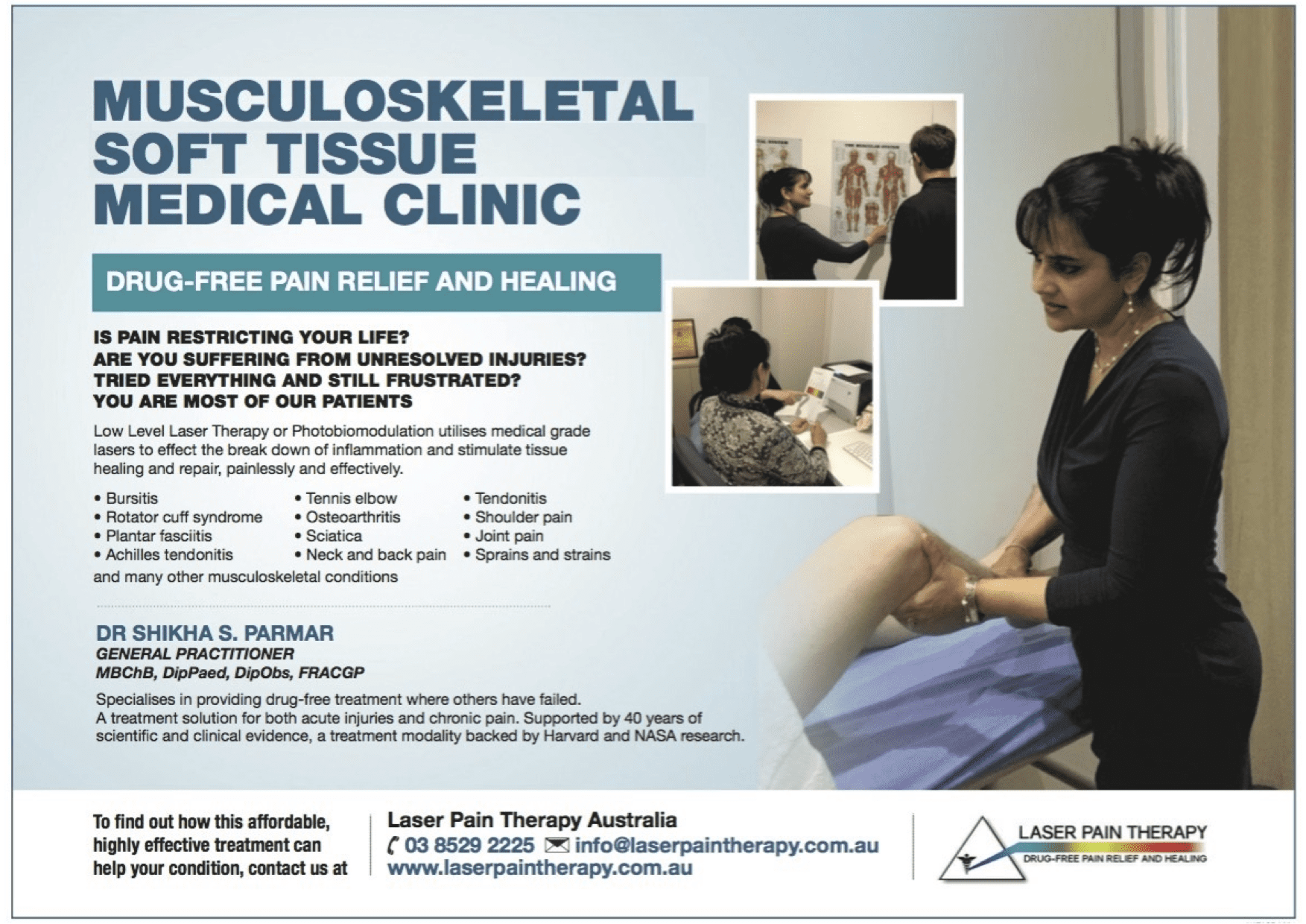
PBMT is commonly used for musculoskeletal pain and injury. This includes conditions involving the joints, muscles, tendons, ligaments and nerves. Patients often seek treatment for back pain, neck pain, shoulder injuries, tennis elbow, plantar fasciitis, knee pain, osteoarthritis, tendonitis, bursitis, muscle strains and post-injury inflammation.
It can also be considered for repetitive strain problems, sports injuries, overuse syndromes and soft tissue irritation that has not responded well to rest or standard care. Some patients present with acute injuries, while others have persistent pain that has affected sleep, mobility, work or exercise for a long time.
The suitability of treatment depends on the diagnosis, the severity of the condition, how long the symptoms have been present and whether other contributing factors need to be addressed. Not every painful condition is appropriate for PBMT in isolation. A proper clinical assessment is important, especially if the diagnosis is uncertain or symptoms are worsening.
What happens during treatment?
A medically supervised approach should start with an assessment, not a machine. That means reviewing the diagnosis, understanding the history of the problem, checking for aggravating factors and determining whether photobiomodulation therapy is likely to be useful.
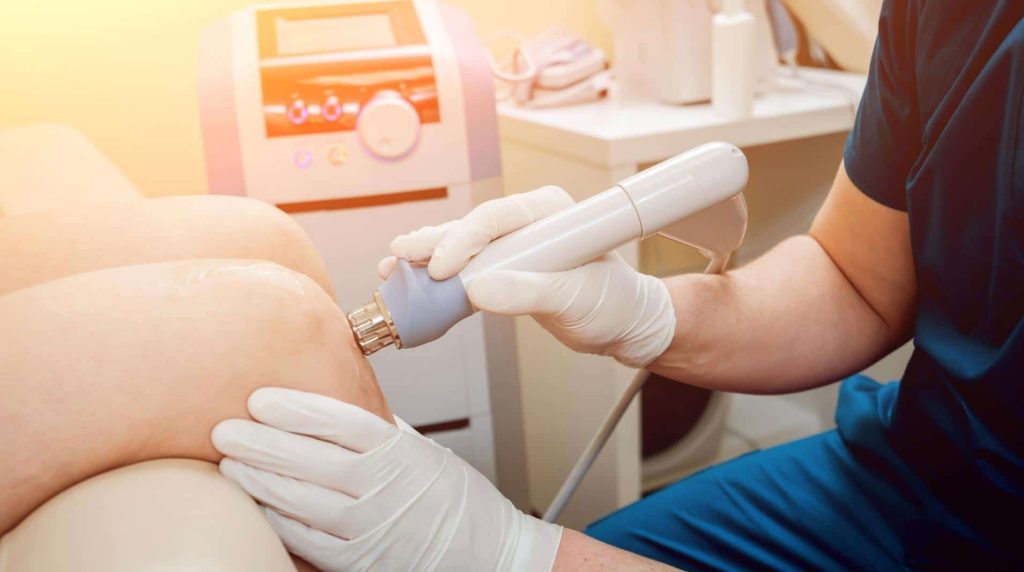
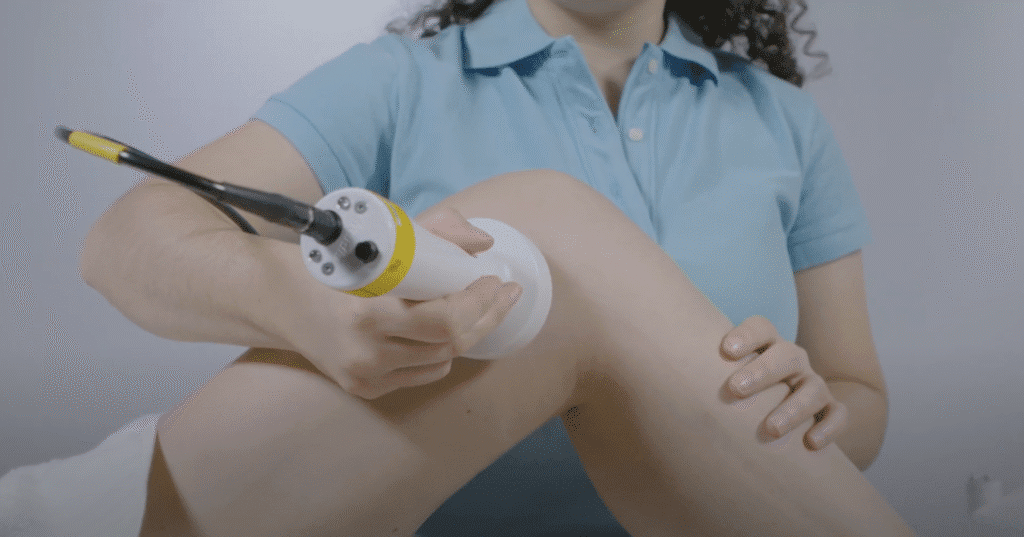
During treatment, the laser device is applied to the affected area according to a planned protocol. The settings vary depending on the tissue involved, the depth of the target area and the condition being treated. A superficial tendon problem and a deeper joint condition may require a different dosing approach.
Sessions are usually brief, and treatment is well tolerated. There is no need for injections, sedation or downtime afterwards. Many people return to work or usual activity immediately, although activity advice may still be given depending on the injury. For example, reducing a tendon’s pain does not mean it is ready for full loading that same day.
Some patients may notice improvement relatively quickly, particularly with acute inflammation or muscle spasm. Others, especially those with chronic pain or long-standing degeneration, may need a series of treatments before changes become more obvious. That is normal. Tissue healing is a process, and the treatment plan should reflect that.
Is photobiomodulation therapy evidence-based?
For cautious patients, this is usually the key question, and rightly so. PBMT is not a fringe wellness trend. It has been studied across a range of applications, with research supporting its use in pain reduction, inflammation management and tissue healing for selected musculoskeletal conditions.
That said, evidence in medicine is rarely as simple as saying a treatment works for everything. Outcomes depend on the condition being treated, the accuracy of the diagnosis, the quality of the device, the treatment parameters used and whether the therapy is integrated into a sensible clinical plan. Poor technique or generic protocols can limit results.
This is one reason doctor-led care matters. In a clinical setting, PBMT is not treated as a one-size-fits-all service. It is matched to the patient’s diagnosis, pain pattern, function and recovery goals. That level of clinical oversight is particularly valuable when symptoms have been persistent, previous treatment has not provided adequate improvement or multiple structures may be involved.
Who might be a good candidate?
People who want a non-invasive, drug-free treatment option often find PBMT appealing, especially if they are trying to avoid ongoing reliance on anti-inflammatory medication or stronger pain relief. It may also suit patients who are not ready for invasive procedures, or who are looking for support alongside a broader rehabilitation plan.
Older adults with osteoarthritis, office workers with repetitive strain pain, active people with sports injuries and parents seeking a gentle treatment option for youth injuries may all ask about PBMT. Suitability still depends on individual assessment, but the treatment is well tolerated and appropriate for many age groups.
The best candidates tend to be those with a clear musculoskeletal diagnosis and realistic goals. For some, the priority is pain relief. For others, it is walking more comfortably, returning to exercise, improving joint movement or settling a flare-up that keeps interrupting daily life.
What photobiomodulation therapy can and cannot do
A reassuring explanation should always include the limits of treatment. PBMT may support healing, reduce pain and improve function, but it does not replace a proper diagnosis. It also does not reverse every structural problem or guarantee complete resolution in every case.
If someone has severe joint degeneration, major instability, a fracture, infection or a condition requiring urgent medical management, laser therapy is not a substitute for appropriate medical care. Likewise, if pain is being driven by poor loading habits, biomechanics or work demands, those factors may need attention for lasting improvement.
PBMT is best considered as part of an evidence-based treatment pathway. In the right patient, for the right condition, with the right dosing and follow-up, it may be a valuable option for reducing inflammation, calming pain and helping tissue recover. At Laser Pain Therapy, that is why treatment is approached through medical assessment and personalised planning rather than a generic session-by-session model.
If you have been living with pain that keeps limiting how you move, sleep or function, it is reasonable to want more than temporary relief. Photobiomodulation therapy may not be the answer for every condition, but for many musculoskeletal problems it offers a clinically grounded, non-invasive path towards healing that is well worth discussing with a qualified practitioner.
Contact us today to arrange your consultation and take the first step towards recovery.
Located in Melbourne
(03) 8529 2225 Contact Us