Pain that has hung around for months changes more than your comfort. It changes how you move, how well you sleep, how much you trust your body, and often how much medication you feel you need just to get through the day. When people start looking seriously at chronic musculoskeletal pain treatment options, they are usually past the point of wanting generic advice. They want to know what may actually help, what the trade-offs are, and whether there is a path forward that does not end with stronger tablets or surgery.
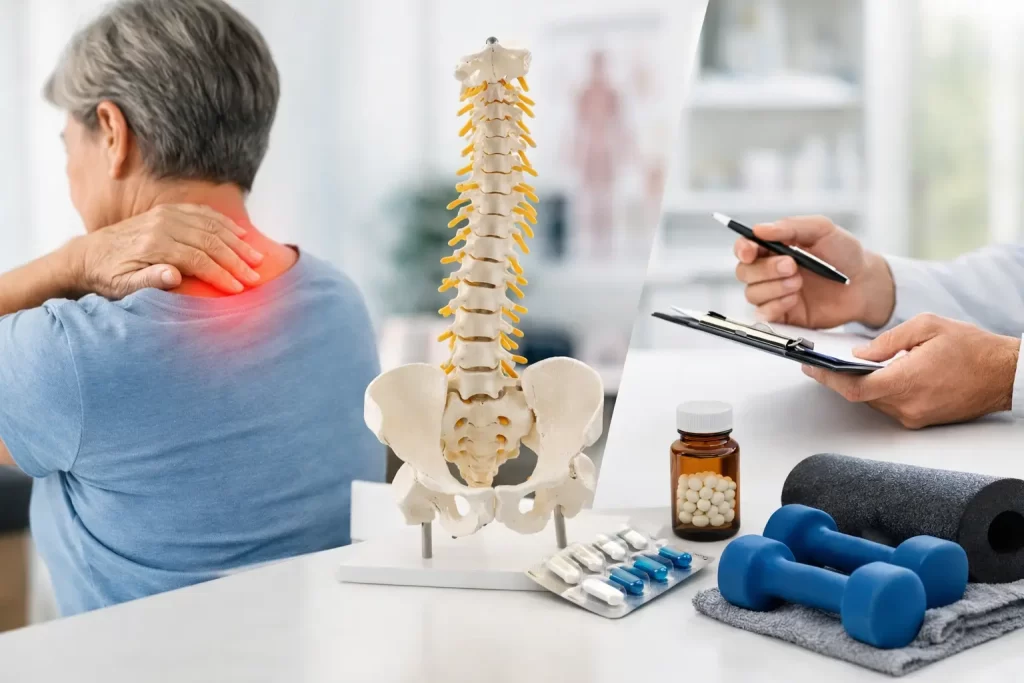
Chronic musculoskeletal pain refers to ongoing pain affecting muscles, joints, tendons, ligaments, nerves and other soft tissues. Common examples include osteoarthritis, persistent neck and back pain, tendon injuries, shoulder pain, repetitive strain problems, and post-injury pain that never properly settled. While these conditions are often grouped together, treatment should never be one-size-fits-all. The right approach depends on the source of pain, how long it has been present, what has already been tried, and how much the pain is affecting daily function.
Chronic musculoskeletal pain treatment options: what actually helps?
The most effective management plans usually combine accurate assessment with targeted treatment. Chronic pain can be driven by inflammation, tissue degeneration, altered movement patterns, nerve sensitivity, poor healing, or several of these at once. That is why a treatment that works well for one person may do very little for another.
A medically guided review is often the best starting point. This means looking at diagnosis, imaging where relevant, symptom pattern, aggravating factors, past injuries, medication use, and current function. In many cases, people have been told what condition they have, but not why it is continuing or what realistic options remain after standard care has not worked.
Exercise-based rehabilitation remains one of the most established treatments for chronic musculoskeletal pain. When prescribed properly, it can improve joint stability, muscle strength, mobility and confidence with movement. It can also reduce flare-ups over time. The limitation is that exercise alone may be difficult when pain is too high, inflammation is active, or tissue healing has stalled. For those patients, exercise is still important, but it may need to be introduced gradually and supported by additional treatment.
Pain medicines can be useful in selected cases, particularly during acute flare-ups or when sleep is severely affected. Anti-inflammatory medicines, paracetamol and other analgesics may provide short-term relief. The challenge is that medication does not repair tissue, and long-term reliance can bring side effects, reduced benefit over time, or concern about dependency. For many patients, especially older adults or those managing several health conditions, reducing medication load becomes an important treatment goal in itself.
Injections are another option sometimes used for persistent joint or soft tissue pain. Corticosteroid injections may reduce inflammation and provide temporary relief. Other procedures, such as hyaluronic acid or regenerative injection approaches, may be discussed depending on the condition. However, injections are not suitable for every diagnosis, and results can vary considerably. Some people get excellent short-term relief, while others experience little change or only a brief improvement.
Manual therapies, including physiotherapy techniques, massage and joint mobilisation, may help reduce stiffness and improve movement. These approaches can be valuable when paired with a broader rehabilitation plan. On their own, though, they may not be enough for long-standing pain that is linked to deeper tissue dysfunction or ongoing inflammatory activity.
Where PBMT fits among chronic musculoskeletal pain treatment options
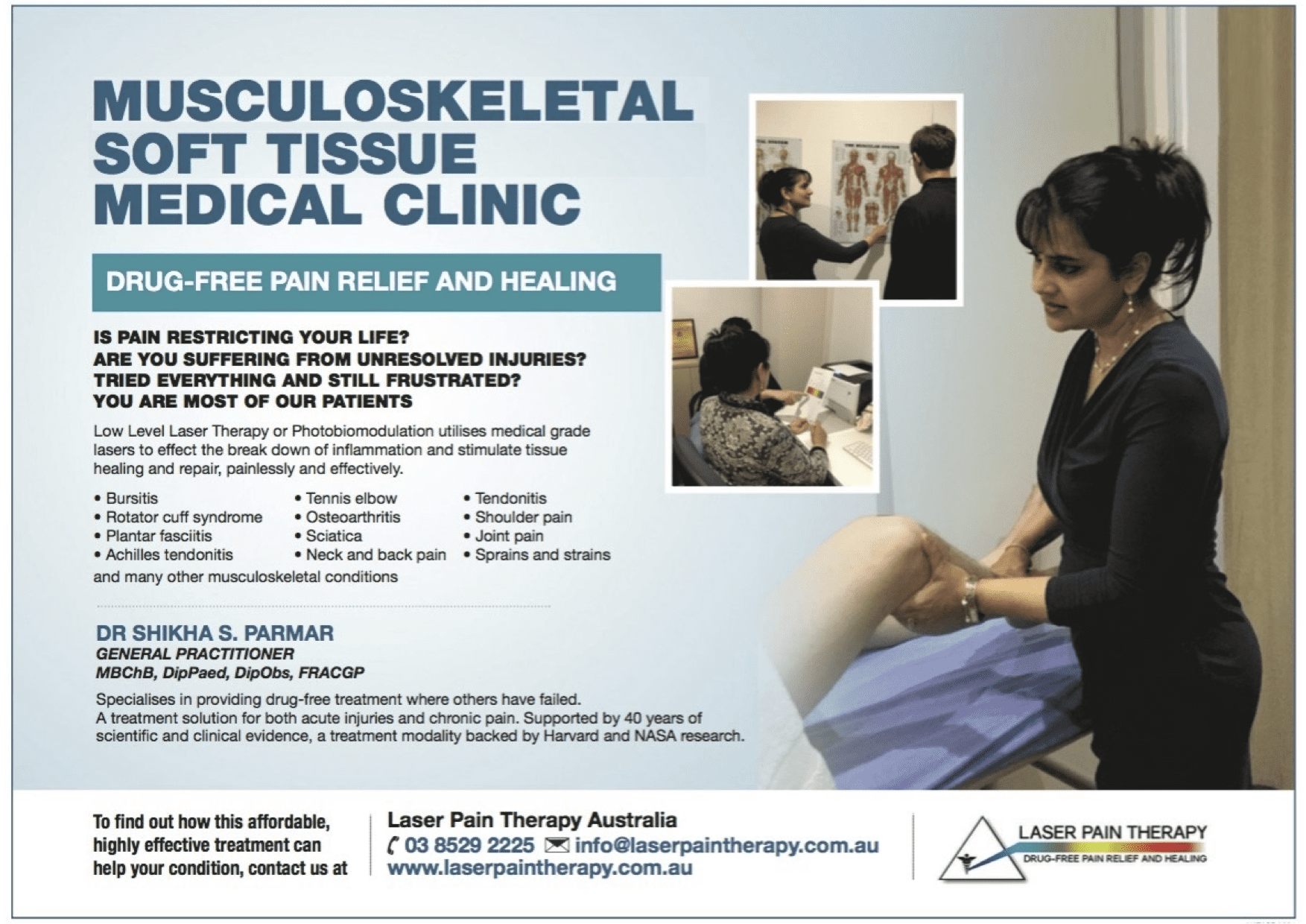
Photobiomodulation Therapy, also known as Low-Level Laser Therapy, has become an increasingly important non-invasive option for chronic musculoskeletal pain. This treatment uses specific wavelengths of light to stimulate cellular activity in damaged or inflamed tissue. In practical terms, the goal is to reduce inflammation, support tissue repair, improve circulation, and ease pain without drugs or surgery.
This matters because many chronic pain conditions are not simply pain-signalling problems. They also involve tissues that have not healed efficiently, joints under ongoing stress, or irritated nerves and soft tissue structures. PBMT is designed to target those underlying biological processes rather than only masking symptoms.
Patients often ask whether laser therapy is just another wellness trend. In a clinical setting, it should not be. Properly delivered PBMT is evidence-based, medically supervised, and tailored to the condition being treated. Treatment parameters matter. So does diagnosis. A sore arthritic knee, a chronic Achilles tendinopathy and nerve-related shoulder pain may all respond to laser therapy, but not with the same treatment plan or at the same pace.
One of the main advantages of PBMT is its safety profile. It is non-invasive, drug-free and generally well tolerated across a wide age range. That makes it an attractive option for people who cannot take certain medications, wish to avoid injections, or are not ready for more invasive interventions. It can also be used alongside rehabilitation rather than replacing it. In many cases, reducing pain and inflammation first makes it easier for a patient to move better, strengthen effectively, and return to function.
That said, PBMT is not magic and should not be presented that way. Some conditions respond quickly, while others require a longer course of treatment. Long-standing degeneration, severe biomechanical overload, or complex pain patterns may need a combination of laser therapy, movement retraining, and lifestyle modification. The value of a doctor-led clinic is that treatment can be adjusted based on response rather than delivered as a standard package.
Choosing the right treatment plan
The best plan is usually the one that matches both the diagnosis and the person. A younger patient with sports-related tendon pain may need a different strategy from an older adult with osteoarthritis and reduced mobility. A parent seeking care for a child with a soft tissue injury will understandably place a high value on safety and non-invasive treatment. An office worker with neck and shoulder pain may need ergonomic changes and targeted therapy, while someone with chronic lumbar pain may need a broader review of contributing factors.
It is also worth considering what your current treatment is and is not achieving. If medication takes the edge off but pain returns as soon as it wears off, the underlying issue may still be untreated. If physiotherapy exercises are sensible but too painful to perform consistently, symptom control may need to improve first. If scans show age-related wear and tear but symptoms are escalating beyond what that would normally explain, a closer clinical assessment is warranted.
A good treatment plan should answer a few practical questions. What tissue or structure is likely driving the pain? Is the problem mainly inflammatory, mechanical, degenerative or mixed? Is the current goal pain reduction, tissue healing, improved mobility, or all three? And what can be done safely over the next few weeks that moves the condition in the right direction?
What to expect from a medically supervised approach
When chronic pain has been present for a long time, patients are often given fragmented care. One practitioner addresses pain relief, another focuses on exercise, and another discusses scans without tying the whole picture together. A medically supervised model is different because it starts with clinical reasoning rather than a standard treatment menu.
That can include reviewing previous diagnoses, identifying missed contributors, and selecting treatment options based on evidence and suitability. For some patients, the right plan includes exercise, activity modification and monitoring. For others, adding PBMT may help accelerate progress by reducing inflammation and supporting healing in tissues that have remained irritated for months.
This is particularly relevant for patients who want a drug-free path where possible. Drug-free does not mean unscientific. It simply means using treatments that work through biological repair and symptom reduction without relying on pharmaceuticals as the primary strategy. For the right patient, that can mean less pain, better movement and less dependence on repeated short-term fixes.
If you are comparing options, look for care that is precise rather than promotional. Ask whether the treatment is matched to your diagnosis, whether progress will be reviewed, and what the plan is if you respond only partially. In Melbourne, clinics like Laser Pain Therapy are building their model around that kind of structured, medically guided care rather than generic symptom management.
Living with chronic musculoskeletal pain can make it feel as if your choices are narrowing. In reality, they often become clearer once the condition is properly assessed and treatment is matched to what the tissue and the person actually need. The aim is not simply to cope better with pain, but to create the conditions for healing, movement and confidence to return.