That dull ache in your neck after a desk day, the knee that complains on stairs, the shoulder that never quite settled after an old injury – musculoskeletal pain rarely stays in one neat box. If you are looking for how to manage musculoskeletal pain, the most effective approach is usually not a single treatment. It is a clear diagnosis, sensible load management, targeted movement, and in some cases, medical therapies that support tissue repair and reduce inflammation.
Musculoskeletal pain refers to pain arising from muscles, joints, tendons, ligaments, nerves and other soft tissues. It can be acute, such as a recent strain or sprain, or chronic, where symptoms have persisted for months and started affecting sleep, work, exercise, and mood. The challenge is that pain does not always reflect damage in a simple way. Some tissues heal while pain continues. In other cases, ongoing inflammation, mechanical overload, nerve irritation, or joint degeneration all contribute at once. That is why generic advice often falls short.
How to manage musculoskeletal pain starts with the right diagnosis
Many people begin by trying to push through, rest completely, or alternate between the two. Neither extreme is ideal for most conditions. If pain is persistent, recurrent, or worsening, the first priority is understanding what structure is involved and what is driving the symptoms.
A sore lower back from muscle overload is managed differently from pain caused by a disc injury or facet joint irritation. Tennis elbow is different from referred pain coming from the neck. Knee pain in a teenager has different implications than knee pain in someone with osteoarthritis. When the diagnosis is vague, treatment tends to become vague too.
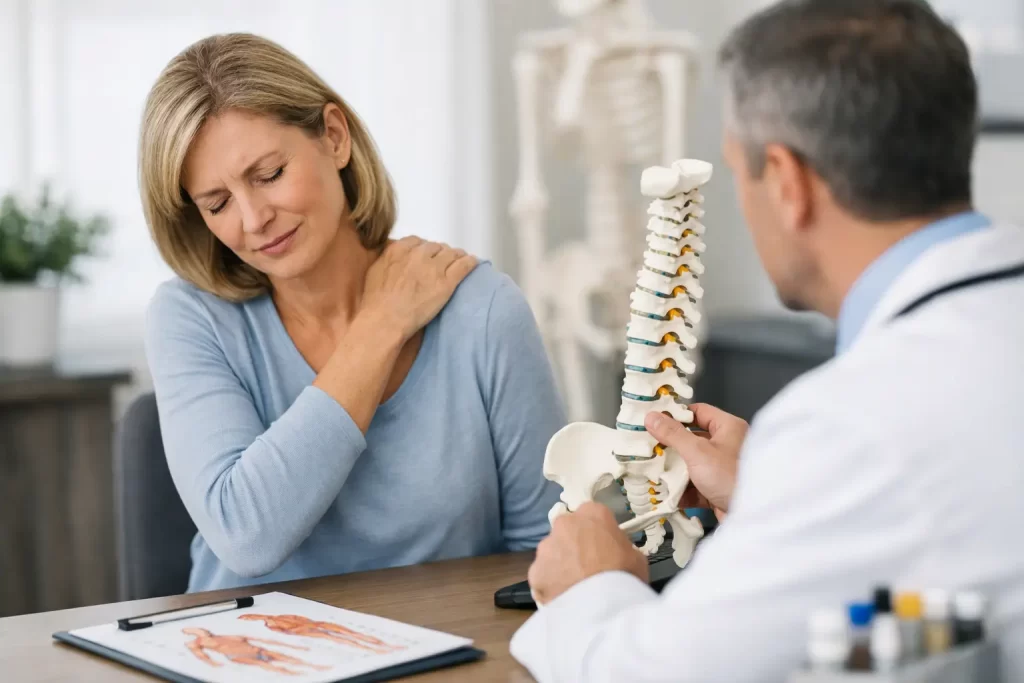
A medically guided assessment should look at when the pain started, what movements aggravate it, whether there is swelling or weakness, and how much it is limiting normal function. Past injuries, work demands, training load, sleep quality and existing conditions all matter. Imaging can be useful in some cases, but it is not always the deciding factor. Clinical history and examination remain essential.
Reduce aggravation without shutting your body down
One of the most common mistakes in pain management is doing too much too soon. The other is avoiding movement for too long. Both can slow recovery.
In the early phase of a flare, it helps to reduce the specific activity that is provoking the tissue. That might mean shorter walks for an irritable Achilles tendon, fewer overhead lifts for shoulder pain, or better workstation set-up for neck and upper back strain. Reducing aggravation is not the same as complete rest. Prolonged inactivity can lead to stiffness, deconditioning, and increased pain sensitivity.
The goal is to find a tolerable level of movement. Pain that eases shortly after activity is often more manageable than pain that escalates during the day, disturbs sleep, or leaves you worse the next morning. This is where pacing becomes useful. Instead of waiting for a good day and overdoing it, aim for a consistent level of activity that your body can recover from.
Use movement as treatment, not just exercise
For many conditions, appropriate movement is one of the most effective ways to restore function. This does not mean every painful area needs aggressive stretching or strengthening straight away. It means the type, intensity and timing of movement should match the tissue involved.
A stiff arthritic joint may respond well to gentle mobility work and gradual strengthening around the joint. A tendon often needs progressive loading rather than repeated rest. A muscle strain usually benefits from a staged return to range of motion and strength. Chronic pain may also require graded exposure to movements that have become associated with fear or guarding.
Technique matters. So does progression. If exercises increase pain significantly and recovery keeps drifting backwards, the programme may be too advanced, too repetitive, or simply not addressing the real source of symptoms. Good rehabilitation should improve confidence as well as capacity.
When pain changes how you move
People in pain often compensate without realising it. You may limp, brace your back, shrug a painful shoulder, or avoid putting weight through one side. These patterns are understandable, but over time they can create secondary problems. The original injury may improve while another region becomes overloaded.
That is one reason treatment should focus on function, not pain scores alone. Being able to walk further, lift more comfortably, sleep better, or return to work tasks matters. Pain relief is important, but durable recovery usually comes from improving how the body tolerates daily load.
Inflammation, tissue repair and why treatment choice matters
Medication can be useful for short-term symptom control, but it does not always address the reason pain keeps returning. Some patients cannot tolerate anti-inflammatory medicines. Others want to reduce reliance on tablets or avoid stronger analgesics where possible. That is a reasonable concern, particularly when pain becomes chronic.
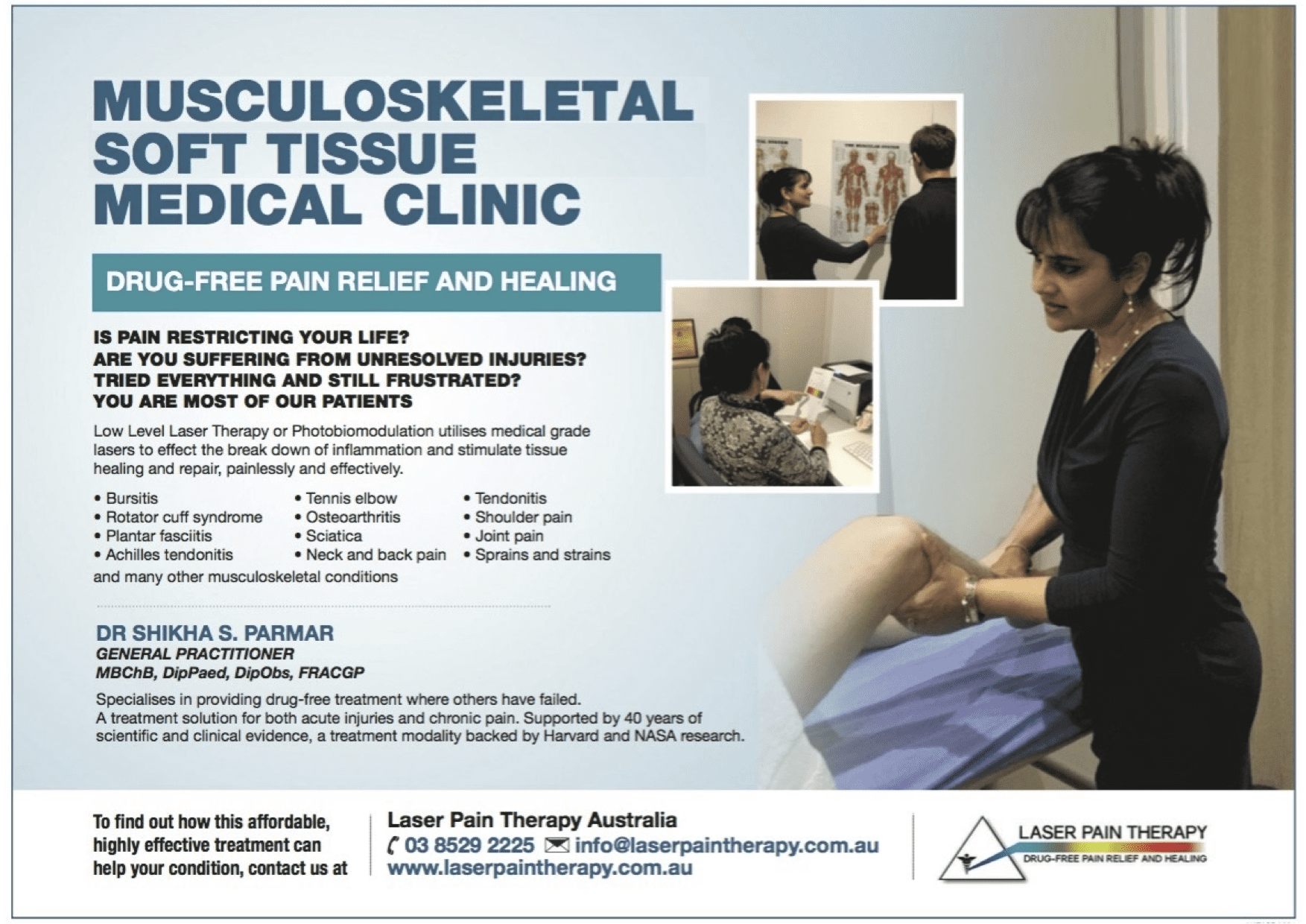
Non-invasive treatment options may play an important role here, especially when they are part of a broader medical plan. Photobiomodulation Therapy, also known as Low-Level Laser Therapy, is one example with growing clinical use in musculoskeletal care. It works by delivering specific wavelengths of light to affected tissues to support cellular repair, reduce inflammation, improve circulation, and assist pain reduction.
For the right patient, this can be particularly helpful in tendon injuries, joint pain, soft tissue inflammation, repetitive strain conditions and chronic pain states where healing has stalled. It is painless, drug-free and suitable for a wide range of ages. That said, it is not a magic fix. Results depend on the diagnosis, severity, duration of symptoms and whether aggravating factors are also being addressed. The strongest outcomes are usually seen when treatment is personalised rather than delivered as a one-size-fits-all session.
How to manage musculoskeletal pain when it becomes chronic
Pain that persists beyond normal healing time often behaves differently. By this stage, tissue irritation may still be part of the picture, but the nervous system can also become more sensitised. This can make the area feel more reactive, more unpredictable, and harder to trust.
Chronic pain management needs patience and structure. The aim is to calm the pain system while steadily rebuilding function. That may involve reviewing old diagnoses, identifying missed contributing factors, improving sleep, modifying work or sport loads, and using treatment methods that support both symptom reduction and tissue recovery.
This is also where reassurance matters. Persistent pain does not always mean progressive damage. Many patients feel trapped between being told nothing serious is wrong and still not being able to move normally. A credible treatment plan should acknowledge both realities – the pain is real, and improvement is possible.
Everyday habits that influence recovery
Small daily factors can either support healing or keep pain simmering. Poor sleep lowers pain tolerance and slows recovery. Long periods in one position can aggravate joints and soft tissues. Sudden spikes in physical activity often flare a condition that was otherwise settling.
Nutrition, body weight, stress levels and footwear can also matter, depending on the condition. For example, plantar heel pain may be affected by standing loads and shoe support, while neck pain may worsen with prolonged mobile or laptop use. There is rarely one universal rule. Management should fit the person, not just the body part.
If you are unsure what is helping, keep it simple. Track what aggravates pain, what eases it, and how symptoms behave over 24 hours. Patterns often emerge. That makes treatment more precise.
When to seek medical review
Review is worthwhile if pain has lasted more than a few weeks, keeps recurring, or is preventing a return to normal activity. Early, targeted care is often more effective than months of trial and error.
For patients in Melbourne looking for medically supervised, non-invasive care, a clinic such as Laser Pain Therapy may be appropriate when conventional measures have not been enough, especially for chronic or treatment-resistant musculoskeletal pain.
Managing musculoskeletal pain well is rarely about chasing temporary relief. It is about identifying what is driving the pain, calming the irritated tissue, restoring movement, and giving the body the right conditions to heal. When treatment is evidence-based and tailored to the individual, pain does not have to keep dictating what your days look like.
Contact us today to arrange your consultation and take the first step towards recovery.
Located in Melbourne
(03) 8529 2225 Contact Us