
A sore shoulder after gardening or a stiff back after a long week at work is easy to dismiss. But when the pain is still there weeks later, and then months later, it raises a more serious question – can musculoskeletal pain last for months? The short answer is yes. Pain in muscles, joints, tendons, ligaments and related soft tissues can persist far beyond the original injury, especially when the underlying cause has not fully healed or has not been correctly identified.
Can musculoskeletal pain last for months?
Yes, it can. Musculoskeletal pain may last for months when there is ongoing inflammation, tissue overload, joint degeneration, nerve irritation, poor biomechanics, or delayed healing. In some cases, the original injury was minor but the recovery process became complicated. In others, the pain was never truly acute at all, but part of an evolving chronic condition such as tendinopathy, osteoarthritis, bursitis or repetitive strain.
This does not mean months of pain should be accepted as normal. Persistent pain is a sign that the body may need a more thorough assessment and a treatment plan that focuses not only on symptom control, but also on tissue repair, function and the drivers keeping the pain active.
Why pain sometimes lasts longer than expected
Many people assume soft tissue pain should settle within a few days or weeks. Sometimes it does. However, healing timelines vary depending on the tissue involved, your age, medical history, activity levels and whether the area keeps being aggravated.
A muscle strain may improve relatively quickly if rested and managed well. Tendons and ligaments often take much longer because they have a more limited blood supply. Joint-related pain can persist if there is cartilage wear, mechanical stress or inflammation inside the joint. Nerve-related pain can also linger, particularly if there is compression or irritation that has not been addressed.
Pain can also outlast the initial injury because movement changes develop around it. If you limp because of knee pain, guard your shoulder, or avoid bending because of back pain, other structures begin compensating. That compensation can create secondary pain and stiffness, turning a straightforward problem into a more persistent one.
Common reasons musculoskeletal pain persists
Incomplete healing
One of the most common reasons is that injured tissue has not fully repaired. Returning to work, sport or normal activity too early can repeatedly stress the same structure before it has recovered. This is especially common with overuse injuries affecting the elbow, shoulder, Achilles tendon or plantar fascia.
Misdiagnosis or an unclear diagnosis
Not all musculoskeletal pain comes from where it seems to come from. Hip pain may be referred from the lower back. Arm pain may involve the neck. Heel pain may reflect nerve irritation rather than a straightforward soft tissue problem. If the diagnosis is incomplete, treatment may be aimed at the wrong structure.
Chronic inflammation or degeneration
Conditions such as osteoarthritis, rotator cuff tendinopathy and bursitis can create a cycle of pain, reduced movement and further irritation. These problems may fluctuate rather than follow a simple recovery curve. A person can feel better for a period, only for symptoms to flare again with activity, cold weather, poor sleep or increased load.
Repetitive strain and workplace load
Office workers, tradespeople, drivers and active adults often continue the same movement patterns that contributed to the problem in the first place. Long hours at a desk, lifting, twisting, gripping or repetitive reaching may prevent tissues from settling. Even low-level stress repeated daily can be enough to maintain pain.
Nervous system sensitisation
When pain has been present for a long time, the nervous system can become more reactive. That does not mean the pain is imagined. It means the body becomes better at producing pain signals, even with lower levels of mechanical stress. This is one reason chronic pain needs a different clinical approach from a fresh injury.
When pain changes from acute to chronic
There is no single cut-off that suits every condition, but pain lasting beyond three months is commonly considered chronic. That label matters because chronic pain is not just acute pain that stayed around. It often involves changes in tissue behaviour, movement patterns, inflammation and pain signalling.
A patient with a two-week calf strain and a patient with six months of shoulder pain may both say they are in pain, but the treatment logic is different. With chronic pain, the goal is not simply to wait longer. It is to identify what is delaying recovery and address it in a structured, medically guided way.
Signs you should seek a clinical review
If pain is lasting for months, it is worth getting it properly assessed rather than continuing to self-manage without a diagnosis. This is particularly important if pain is worsening, interfering with sleep, reducing mobility, causing weakness, or limiting work and everyday function.
You should also seek review if the area remains swollen, if the pain keeps returning after temporary improvement, or if you have already tried rest, anti-inflammatories, massage or general exercises without meaningful progress. Persistent pain deserves more than trial and error.
Can musculoskeletal pain last for months even without a major injury?
Absolutely. Not all long-term pain starts with a dramatic event. Many chronic musculoskeletal problems begin gradually. A shoulder may become painful after months of overhead work. Neck and upper back pain may build from prolonged computer use. Knee pain may develop slowly with joint wear, altered gait or weakness around the hip and thigh.
This slower onset can be misleading because people often keep pushing through the discomfort. By the time they seek help, the pain has become established, movement is restricted, and surrounding tissues are also affected.
What treatment usually helps persistent musculoskeletal pain?
The best treatment depends on the diagnosis. That is the starting point. Persistent pain is rarely managed well with a one-size-fits-all approach.
For some people, treatment involves load modification, targeted exercise and correction of aggravating movement patterns. For others, it may involve managing inflammation, reducing tissue irritation and supporting repair in structures that have become slow to heal. In chronic joint or tendon pain, the aim is usually to improve function while reducing the biological drivers of ongoing pain.
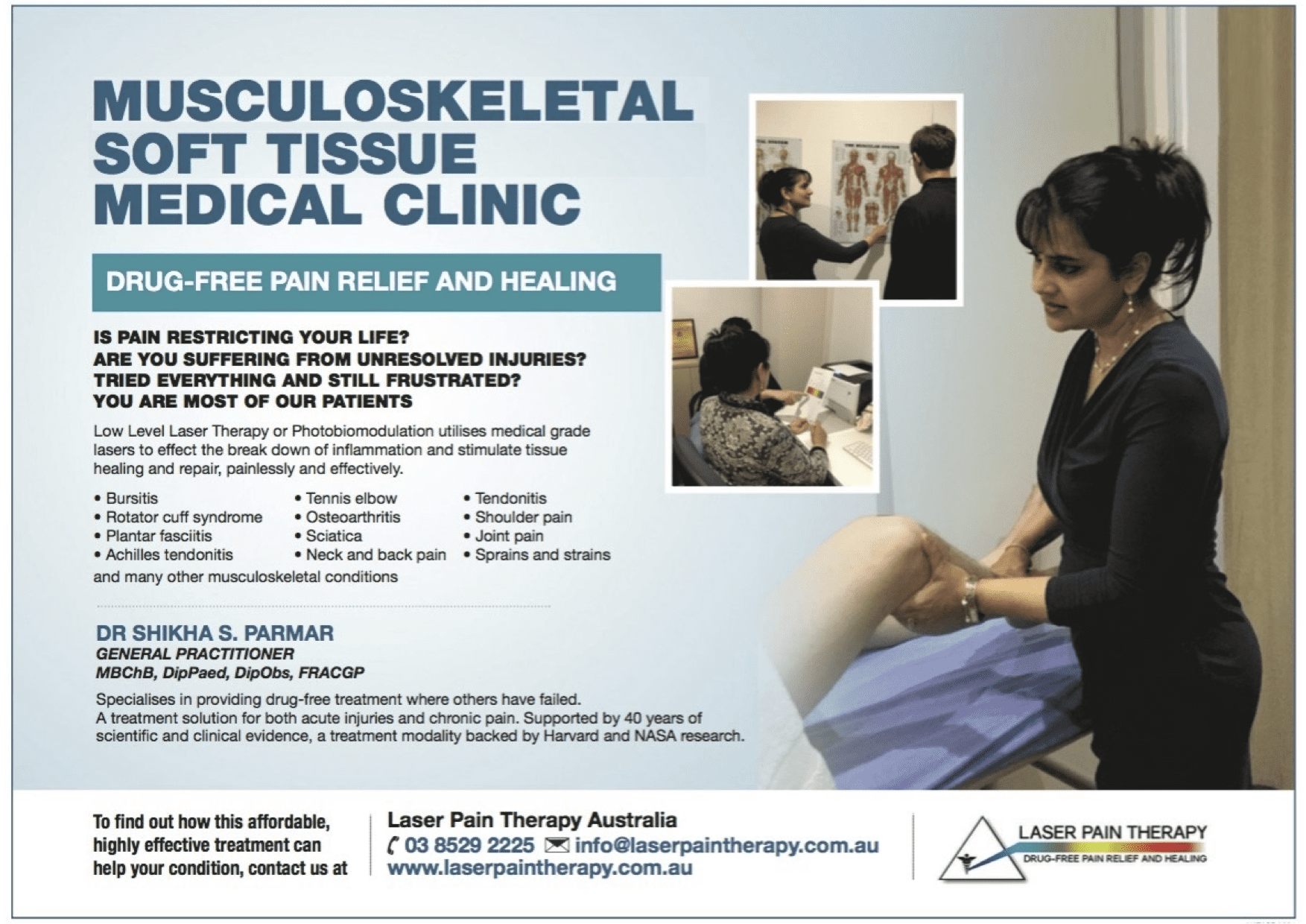
This is where evidence-based, non-invasive options can be valuable. Photobiomodulation Therapy, also known as Low-Level Laser Therapy, is used in clinical pain management to support tissue repair, reduce inflammation and assist pain reduction without medication or surgery. It is not a blanket cure for every condition, and it still needs to be matched to the right diagnosis, but for patients with persistent musculoskeletal pain it can form part of a broader treatment plan focused on healing rather than temporary masking of symptoms.
A medically supervised approach matters here. Chronic pain often needs more than symptom relief. It needs review of the diagnosis, assessment of contributing factors, and a plan that is realistic for the patient’s age, activity level and daily demands.
Why simply waiting can be the wrong strategy
Many people are told to give it time. Sometimes that is reasonable in the first phase of a straightforward injury. But when pain has persisted for months, waiting alone may allow weakness, stiffness and compensation patterns to become more established.
There is also the practical cost. Ongoing pain affects sleep, concentration, work capacity, exercise tolerance and mood. For older adults, it may reduce confidence in walking or getting out of a chair. For active people, it may lead to repeated stop-start attempts at exercise that aggravate the condition further. Early, appropriate intervention often gives a better chance of restoring normal function.
What to expect from a proper assessment
A good clinical assessment should clarify what tissue is likely involved, what is driving persistence, whether imaging is needed, and what type of treatment is most suitable. It should also distinguish between inflammatory, degenerative, overuse and nerve-related pain, because these categories do not behave in the same way.
For patients in Melbourne seeking a non-drug, non-surgical pathway, Laser Pain Therapy provides medically guided assessment and treatment planning for a wide range of persistent musculoskeletal conditions. That kind of structure is often what has been missing for people who have been trying to manage pain on their own for months.
Persistent musculoskeletal pain is common, but it should not be brushed aside as something you simply have to live with. If pain has been lingering for months, the most useful next step is not to guess harder – it is to find out why healing has stalled and what can be done to support it properly.
Contact us today to arrange your consultation and take the first step towards recovery.
Located in Melbourne
(03) 8529 2225 Contact Us