Back pain rarely stays in one part of life. It follows you into the car, into your chair at work, into sleep, and into the small movements that should not require planning. When people start looking into laser therapy for back pain, they are usually not chasing a trend. They are looking for a treatment that is safe, practical and grounded in real clinical reasoning.
For many patients, that search begins after standard options have fallen short. Painkillers may dull symptoms without addressing tissue healing. Rest can help in the short term, but too much of it often leads to stiffness and deconditioning. Injections and surgery have a place in selected cases, but they are not the first or right answer for everyone. This is where photobiomodulation therapy, also known as low-level laser therapy, deserves careful attention.
What is laser therapy for back pain?
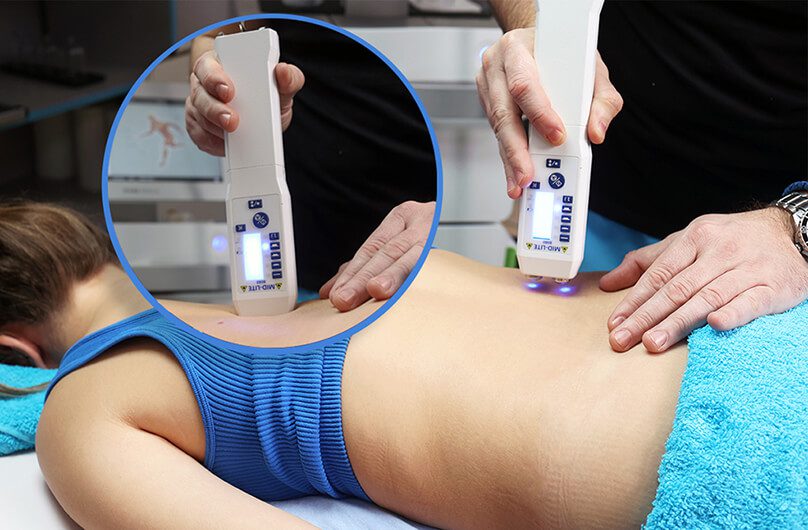
Laser therapy for back pain uses specific wavelengths of light to stimulate biological activity in injured or irritated tissues. In clinical practice, this is referred to as photobiomodulation therapy, or PBMT. The treatment is non-invasive, drug-free and designed to support the body’s own repair processes rather than simply mask symptoms.
When applied correctly, laser energy penetrates the tissues and interacts with cells at a mitochondrial level. This can help improve cellular energy production, modulate inflammation, promote circulation and support tissue repair. The result patients care about is more straightforward: less pain, better movement and a better chance of returning to normal function.
That said, not all back pain is the same, and this matters. A muscular strain after lifting, long-standing lower back stiffness from degenerative change, nerve-related pain and postural overload from desk work may all present differently. The laser itself is one part of treatment. Proper assessment, diagnosis review and a plan tailored to the underlying cause are what make treatment clinically meaningful.
How back pain develops and why treatment can be difficult
Back pain is often treated as though it is a single condition. It is not. It is a symptom with many possible drivers, including muscle spasm, ligament strain, joint irritation, disc-related inflammation, nerve sensitivity and wear-and-tear changes such as osteoarthritis.
In some people, the issue is acute and follows a clear event. In others, pain builds gradually over months or years. Chronic pain can become more complex because the original tissue problem may be joined by persistent inflammation, reduced strength, altered movement patterns and sensitised nerves. This is one reason patients sometimes feel they have tried “everything” without durable relief.
A treatment that reduces inflammation and supports tissue recovery can be valuable, but only if it is used in the right context. If a person has serious neurological symptoms, unexplained weight loss, fever, trauma or bowel and bladder changes, urgent medical assessment comes first. Laser therapy is not a substitute for proper diagnosis where red flags are present.
How laser therapy may help relieve back pain
The main clinical appeal of PBMT is that it aims to influence the mechanisms behind pain, not only the sensation of pain itself. Research has shown that therapeutic laser may assist by reducing inflammatory mediators, improving microcirculation, decreasing swelling and supporting soft tissue healing. These effects can be relevant in common back pain presentations involving muscles, tendons, ligaments and joints.
Patients often ask whether the treatment is painful. It is generally painless and comfortable. Most people feel very little during the session, although some notice gentle warmth depending on the device and treatment area. There are no needles, no incisions and no need for recovery or ‘down-time’ afterwards.
The benefits also tend to extend beyond short-term comfort. As inflammation settles and irritated tissues begin to repair, movement can become easier. That matters because improved movement is often the bridge back to work, exercise, sleep and confidence in daily activity.
Still, it is worth being precise. Laser therapy is not magic, and it does not produce identical results in every person. Outcomes depend on factors such as the diagnosis, how long symptoms have been present, the severity of tissue damage, age, general health and whether the treatment plan is consistent and well targeted.
Who may be a good candidate for laser therapy for back pain?
This treatment may suit adults and seniors with a range of musculoskeletal back pain conditions, particularly when they want a non-surgical and medication-sparing option. It can be appropriate for acute soft tissue injuries, persistent lower back pain, mechanical back pain related to posture or overuse, and pain associated with degenerative or inflammatory processes.
It can also be useful for people who cannot tolerate anti-inflammatory medication, want to avoid repeated reliance on pain relief tablets, or are not ready for more invasive interventions. Office workers with prolonged sitting-related pain, active people recovering from strain, and older adults managing stiffness and reduced mobility may all benefit from a clinically supervised course of treatment.
However, suitability should never be assumed from symptoms alone. Back pain that appears simple can occasionally be referred from another structure or be linked to a condition requiring a different management pathway. A doctor-led assessment helps clarify whether PBMT is likely to be useful, what tissues are involved and what outcomes are realistic.
What to expect from treatment
A medically supervised approach usually begins with a consultation and assessment. This is where the history of the pain, aggravating factors, previous treatment, imaging and functional limitations are reviewed. If the diagnosis is already known, the focus may be on confirming whether the current symptoms match that diagnosis. If the picture is less clear, further evaluation may be needed before treatment begins.
The laser treatment itself is typically brief. The device is applied over the affected area using settings based on the tissue depth, condition and treatment goals. Some patients notice change within a few sessions, especially with recent injury. Chronic conditions often need a more structured treatment course because tissues and pain pathways have been active for longer.
One of the most important expectations to set is that progress is often cumulative. The aim is not simply to create a good day after one session, but to build more stable improvement over time. In quality clinical care, treatment is reviewed regularly. If response is limited, the plan should be adjusted rather than repeated without purpose.
Evidence, safety and the value of clinical supervision
Patients are right to ask whether laser therapy is backed by evidence. PBMT has been studied across a wide range of musculoskeletal conditions, and the evidence base continues to develop. While no treatment should be presented as a cure-all, there is meaningful research supporting its use for pain reduction, inflammation control and tissue healing in selected cases.
Safety is another strength when the therapy is delivered properly. Low-level laser therapy is non-invasive and generally well tolerated across age groups. That makes it especially appealing for people seeking conservative care or for those whose medical history limits other options.
Clinical supervision matters because the same device can be used well or poorly. Effective treatment depends on appropriate dosing, correct identification of the tissue involved, and integration into a broader management plan. This is where a medical clinic differs from a generic wellness setting. A treatment should be selected because it matches the diagnosis, not because it is fashionable.
When laser therapy is most useful, and when it may not be enough
The most encouraging results are often seen when laser therapy is used early for acute inflammation or when it is part of a structured plan for chronic pain that includes activity modification and functional recovery. It can be particularly valuable when the goal is to calm irritated tissue enough for the patient to move more normally again.
There are also times when laser therapy should be viewed as one component rather than the whole answer. Significant spinal instability, advanced nerve compression, fractures, infection, malignancy or severe neurological compromise require different medical pathways. Even in less serious cases, contributing factors such as poor workstation setup, weak trunk control, repetitive strain or poor sleep may need attention for the gains to last.
That is not a limitation unique to laser therapy. It is simply the reality of back pain. Good care is rarely about a single tool. It is about using the right tool, at the right time, for the right problem.
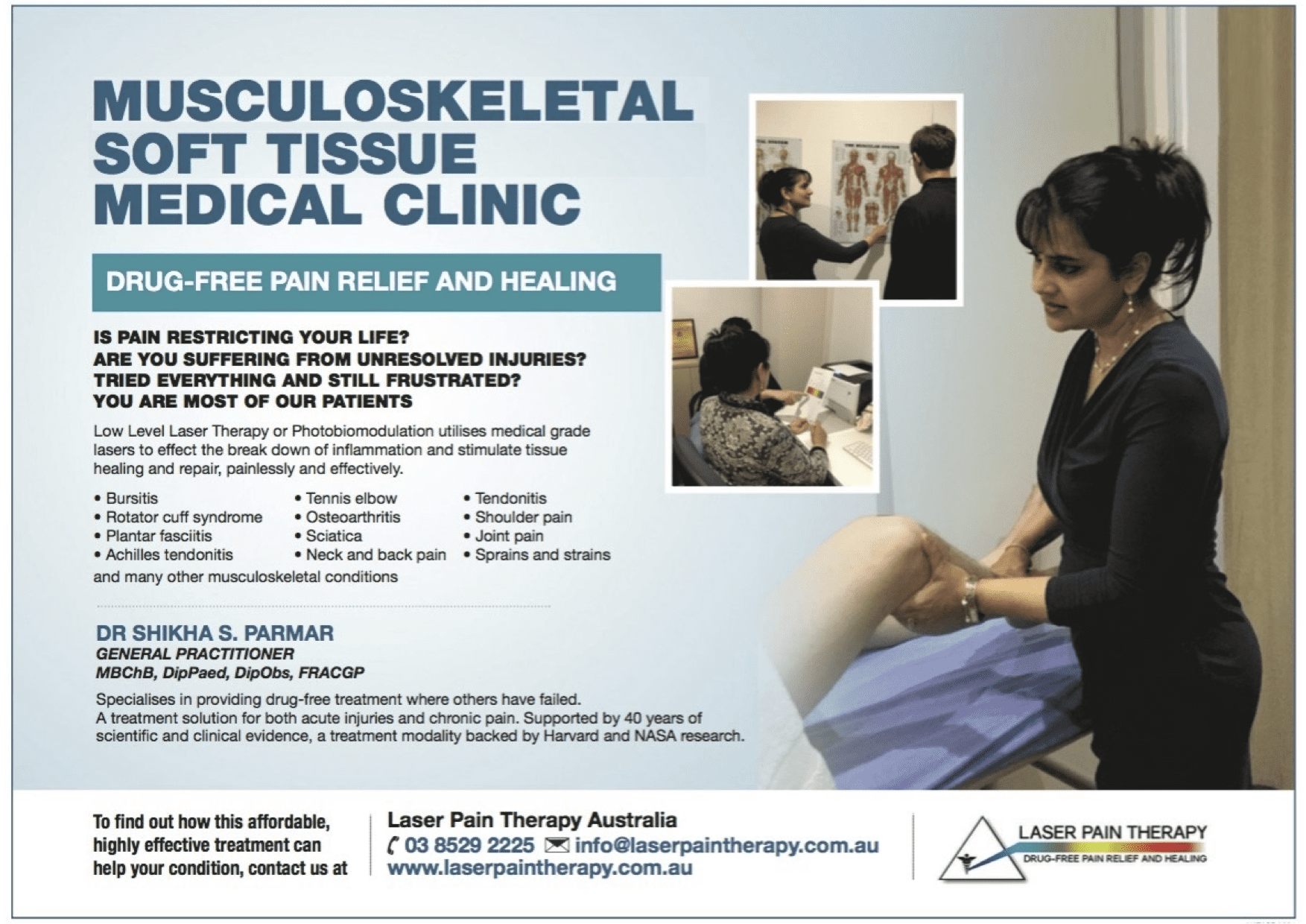
For patients in Melbourne who are tired of cycling through short-term fixes, that distinction matters. At Laser Pain Therapy, the focus is not on selling a device-based session in isolation. It is on medically guided, personalised treatment that aims to reduce pain, support healing and restore function in a way that makes clinical sense.
If your back pain has been lingering, escalating or returning the moment you increase activity, it may be time to look beyond symptom suppression. The right treatment should help you do more than cope. It should help your body move towards recovery.
Contact us today to arrange your consultation and take the first step towards recovery.
Located in Melbourne
(03) 8529 2225 Contact Us