Ankle Soft Tissue Injuries Treatment Using LLLT/PBMT
Low Level Laser Therapy (LLLT), also known as Photobiomodulation Therapy (PBMT), is a highly effective, non-invasive, and drug-free treatment for various ankle soft tissue injuries. Led by Dr Shikha Parmar, a GP with expertise in managing and resolving chronic musculoskeletal pain utilising LLLT as part of a holistic management plan. LLLT involves the application of red and near-infrared light to promote cellular repair in injured tissues. LLLT is safe and painless, and targets the root cause of the injury, unlike pain medications that simply mask the symptoms. Supported by scientific research from respected institutions such as Harvard University and NASA, LLLT is an evidence-based therapy for soft tissue injuries, including ankle tendonitis, ligament injuries, stress fractures, and syndesmotic sprains.
Gentle. Drug-Free. Clinically Proven
Key Points
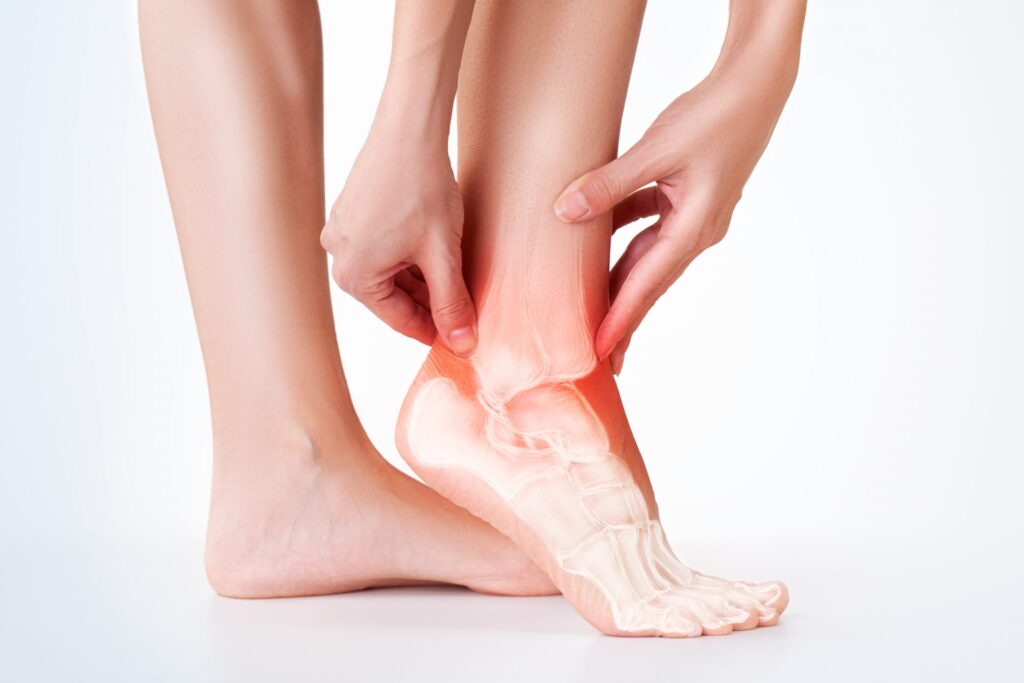
- Ankle soft tissue injuries are common and can involve tendonitis, ligament injuries, and stress fractures, often causing pain, swelling, and reduced mobility.
- Symptoms may include sharp or aching pain, swelling, tenderness, and difficulty with movement or weight-bearing activities, such as walking or running.
- Common causes of ankle injuries include peroneal tendonitis, syndesmotic ankle sprains, ligament sprains (such as ATFL and CFL injuries), and stress fractures due to overuse or trauma.
- Standard treatments such as rest, ice, anti-inflammatory medications, and physical therapy may offer short-term relief but often fail to address deeper tissue healing or underlying inflammation.
- Low Level Laser Therapy (LLLT), or Photobiomodulation Therapy (PBMT), is a non-invasive, drug-free treatment that can effectively reduce inflammation, promote healing, and restore function in ankle soft tissue injuries, enabling patients to engage in rehabilitation without further damage.
- At Laser Pain Therapy, all LLLT treatments are GP-led by Dr Shikha Parmar, with a structured, six-week, medically supervised program and tailored rehabilitation support.
- Backed by over 700 randomised trials, LLLT is scientifically proven to enhance tissue repair, reduce pain, and restore function in the affected ankle area.
- LLLT offers superior long-term outcomes by addressing the root causes of ankle injuries, promoting true healing, and not just masking the symptoms.
What Are Ankle Soft Tissue Injuries?
Ankle soft tissue injuries involve damage to the muscles, tendons, ligaments, or other connective tissues around the ankle joint. These injuries can range from mild strains to more severe injuries such as tendonitis, ligament sprains, and stress fractures. Overuse, trauma, and repetitive motions are common causes. Injuries such as peroneal tendonitis, syndesmotic sprains, and ATFL/CFL injuries may cause pain, instability, and difficulty with movement, affecting daily activities and athletic performance.
Common Causes of Ankle Injury
Several factors contribute to ankle soft tissue injuries, including:
- Overuse injuries from repetitive activities or training
- Sudden trauma or acute injury during activities such as sports or falls
- Muscle imbalances or lack of strength leading to strain on tendons and ligaments
- Biomechanical factors such as poor foot alignment or abnormal gait
- Age and reduced tissue elasticity, leading to a higher risk of tendon and ligament damage
Type of Ankle Injury:
Ankle Sprain
An ankle sprain typically involves the ligaments that support the bones and joints of the ankle and play a critical role in maintaining ankle stability.
Injury involves stretching or tearing of ligaments that connect bones together. Injury to any of them can result in pain, swelling, bruising, and difficulty moving the ankle.
The main ligaments involved in an ankle sprain are:
- Anterior Talofibular Ligament (ATFL):
- The most commonly injured ligament in a lateral ankle sprain.
- connects the fibula (the outer bone of the lower leg) to the talus (the bone in the foot) and
- is typically damaged when the foot is twisted or inverted.
- Calcaneofibular Ligament (CFL):
- located just below the ATFL and connects the fibula to the calcaneus (heel bone).
- It is also commonly injured in lateral ankle sprains, especially in more severe injuries, when the foot is rolled outward
- Posterior Talofibular Ligament (PTFL):
- located at the back of the ankle, this ligament connects the fibula to the talus.
- is less commonly injured but may be involved in more severe ankle sprains, especially those with excessive inversion or force
- Deltoid Ligament:
- a strong ligament located on the medial (inner) side of the ankle
- is typically injured in medial (inner) ankle sprains, which occur when the foot rolls inward
- Syndesmotic Ligaments (High Ankle Sprain):
- these ligaments connect the 2 bones of the lower leg – tibia and fibula – above the ankle joint.
- the syndesmosis provides stability between these two bones.
- a high ankle sprain involves injury to the syndesmotic ligaments
- is usually caused by excessive twisting or forced rotation of the ankle.
- this injury is less common but can result in significant instability and longer recovery times.
- In severe syndesmotic sprains, where there is widening of the syndesmosis or joint instability, surgical review may be necessary.
Tendon Injuries
While the primary injury in an ankle sprain is to the ligaments, tendon injuries can accompany sprains, especially if there is significant twisting, instability, or force during the injury.
- Achilles tendon: the large tendon at the back of the ankle that connects the calf muscles to the heel bone. It can be strained or ruptured during an ankle sprain, especially if the sprain is severe. See here for more on Achilles injuries
- Peroneal tendons: run along the outer side of the ankle and are often involved in lateral (outside) ankle sprains
- Tibialis anterior tendon: located on the front of the ankle, helping lift the foot. Injury can occur with excessive dorsiflexion (upward movement) of the foot
- Tibialis posterior tendon: runs along the inside of the ankle and helps support the arch of the foot. It can be stressed or torn in severe ankle injuries
- Flexor tendons: control toe movement and contribute to foot and ankle stability. Injury to these tendons is less common but may occur with severe ankle sprains or fractures
Stress Fractures
A stress fracture is a small crack or break in a bone, often caused by repetitive stress or overuse, particularly in athletes or those who engage in high-impact activities. The ankle is a common site for stress fractures, particularly in the tibia or fibula. Symptoms include localised pain, swelling, and tenderness.
Stress fractures often require rest and gradual return to activity, but LLLT can support the healing process by stimulating bone repair and reducing inflammation, speeding up recovery and reducing the risk of re-injury. See here for more on stress fractures.
Symptoms
The symptoms vary depending on the type and severity of the injury but commonly include:
- Pain or discomfort, especially during movement or weight-bearing activities
- Swelling and bruising around the ankle joint
- Stiffness or reduced range of motion
- Tenderness over the injured area
- Instability or a feeling of weakness, particularly with ligament injuries such as ATFL or CFL sprains
- Pain at rest in some cases, especially after physical activity
How are Ankle Injuries Diagnosed?
Ankle injuries are diagnosed through a detailed clinical evaluation by Dr Shikha Parmar. This includes a thorough history of the injury, physical examination to assess swelling, tenderness, and range of motion. Imaging such as X-rays, ultrasound or MRI, help identify soft tissue damage and fractures.
This comprehensive assessment helps guide treatment decisions for the best recovery outcomes.
Ankle Injury – Treatment Overview
Low Level Laser Therapy (LLLT), also known as Photobiomodulation Therapy (PBMT), is a gentle, evidence-based treatment that targets the underlying cause of ankle pain: persistent inflammation, ligament sprain, tendon irritation, stress-related bone injury, and ongoing immune imbalance. It promotes healing without mechanical stress to vulnerable ankle joint and soft tissue structures.
Why Choose Low Level Laser Therapy (LLLT)?
Many patients present after limited relief from rest, ice, anti-inflammatory medications, bracing, or physiotherapy programs. These approaches may temporarily ease symptoms but often fail to address deeper tissue inflammation and may aggravate symptoms if introduced too early. LLLT is particularly helpful where ligament strain, tendon overload, and micro-injury persist, and where excessive loading of the ankle joint may delay recovery.
Why rest, ice, anti-inflammatories, and cortisone may not support long-term recovery. Read more here.
How LLLT Supports Healing
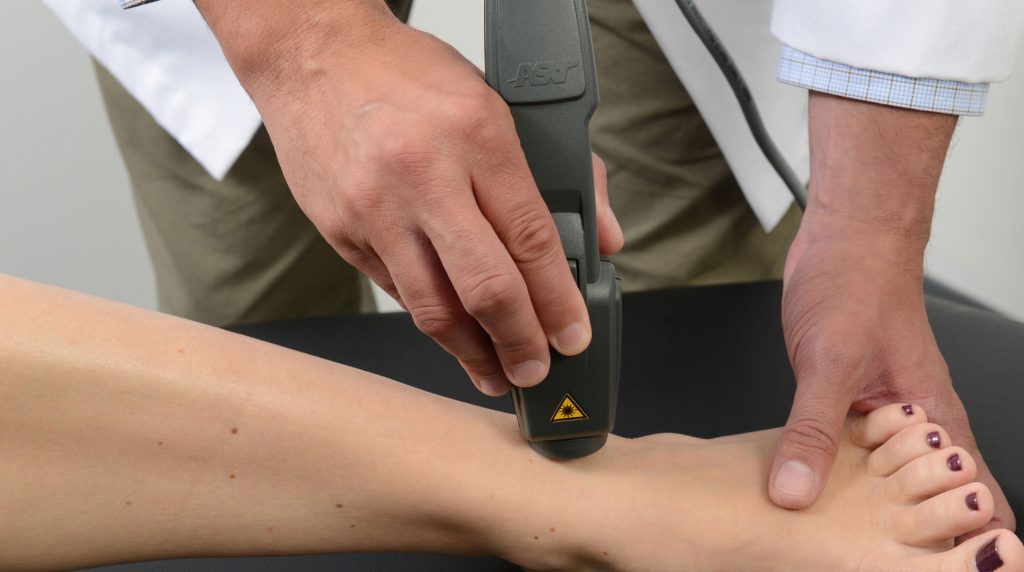
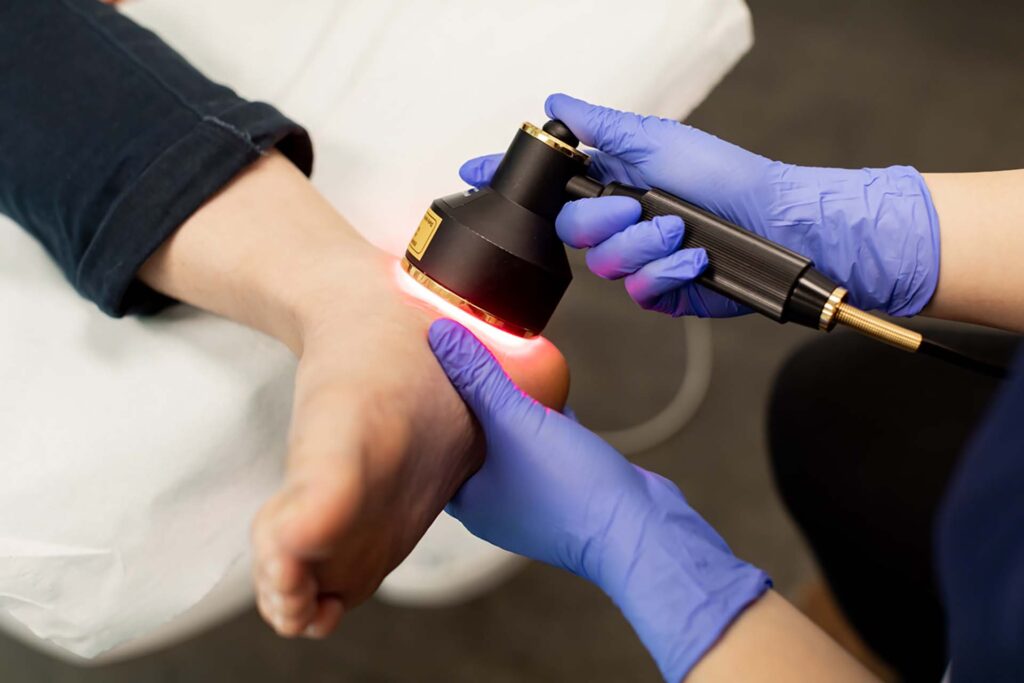
LLLT uses red and near-infrared light to restore balance to the inflammatory process and stimulate ligament, tendon, and bone repair by:
- Improving circulation and oxygenation
- Enhancing lymphatic drainage
- Reducing inflammation and oxidative stress
- Increasing cellular energy (ATP)
- Supporting soft tissue and bone regeneration
All without loading or stressing the injured ankle joint.
Proven, Safe, and Effective
It is non-invasive, painless, and supported by extensive clinical research. Read more here.
See how LLLT helps restore the cellular environment needed for repair here.
Our Treatment Program
All patients are assessed by Dr Shikha Parmar (GP). Treatment is delivered within a structured six-week program, including:
- Up to 12 LLLT sessions
- Review after 6 sessions
- Individualised advice and activity modification
- Guided rehabilitation for durable recovery
Patients who respond typically show 15–20% improvement within the first 6 sessions, with best-case improvement of 70–90% over the full program.
View the full treatment protocol and expected outcomes here.
Ready for Lasting Relief?
If you are struggling with a soft tissue ankle injury or related musculoskeletal conditions, we invite you to contact our experienced team at Laser Pain Therapy. Our LLLT treatment offers a safe, effective, and lasting solution to restore your comfort, mobility, and quality of life.
Contact us today to arrange your consultation and take the first step towards recovery.
📍 Located in Melbourne
📞 (03) 8529 2225 Contact Us