Stress Fractures Treatment with LLLT/PBMT
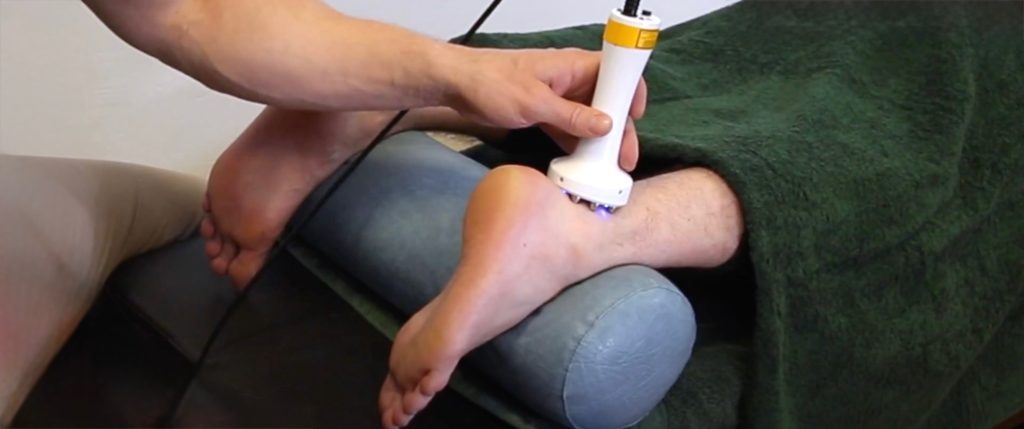
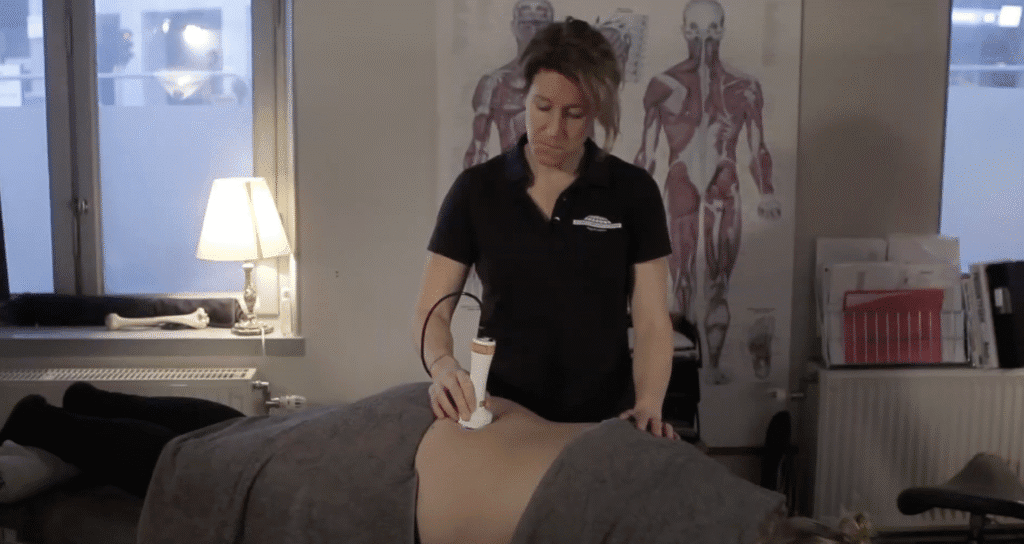
Low Level Laser Therapy (LLLT), also known as Photobiomodulation Therapy (PBMT), uses red and near-infrared light applied over targeted areas. In our clinic it is used as part of a GP-led treatment approach for selected musculoskeletal pain and injury presentations, including selected stress fracture and bone stress injury presentations after appropriate assessment.
PBMT/LLLT is non-invasive and generally well tolerated. Suitability and response vary, and treatment recommendations depend on the diagnosis, severity, duration of symptoms and individual clinical factors. PBMT/LLLT has been studied for a range of musculoskeletal pain and injury conditions. See our references page for supporting literature.
Gentle. Drug-Free. Evidence-Informed
Key Points:
- Stress fractures are small, often hairline fractures in bone caused by repetitive stress or overuse, particularly in weight-bearing bones.
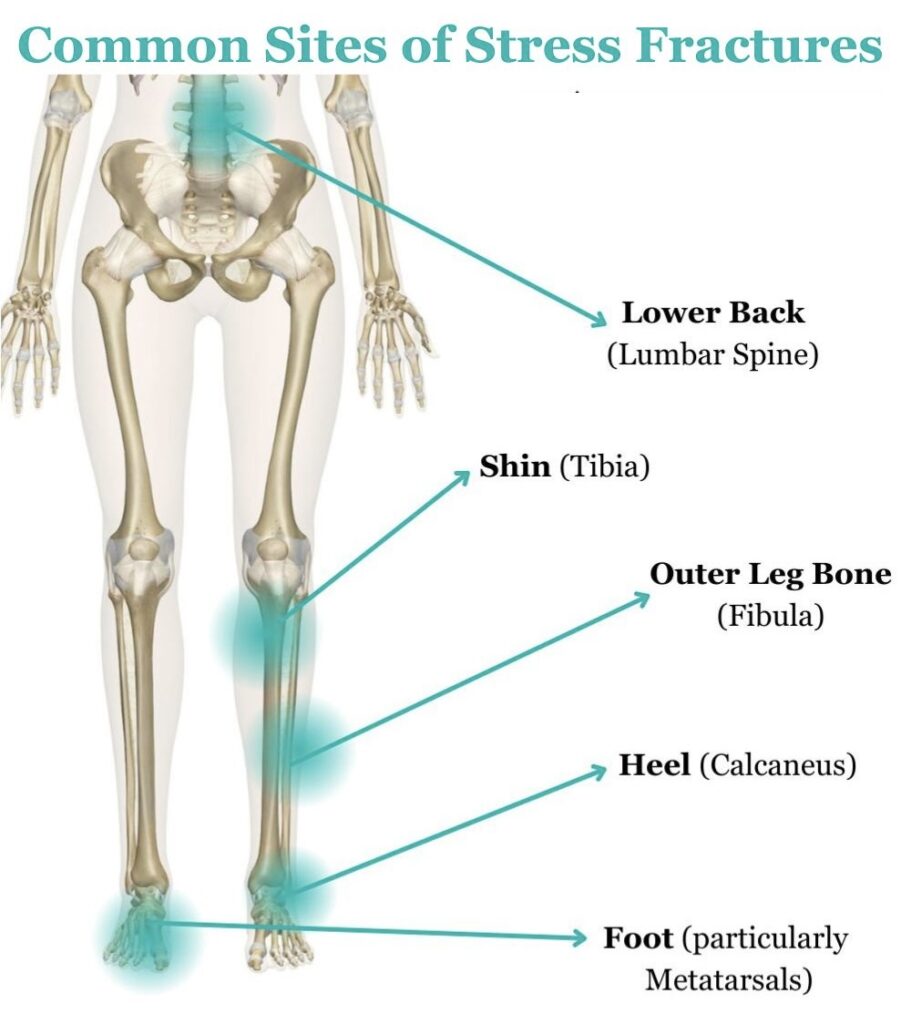
- Common sites include the foot, shin, heel, lower back and fibula.
- Symptoms may include gradually worsening pain with activity, tenderness, swelling and pain with weight-bearing.
- Stress fractures require accurate diagnosis, activity modification and appropriate load management. Some stress fractures require immobilisation or specialist review.
- Standard treatments such as rest, activity restriction, immobilisation, ice and pain medication may help manage symptoms and protect the injury while healing occurs.
- Low Level Laser Therapy (LLLT), or Photobiomodulation Therapy (PBMT), is considered for selected stress fracture presentations where local pain, soft tissue irritation or inflammatory processes are contributing to symptoms.
- LLLT/PBMT does not replace appropriate imaging, load restriction, immobilisation or orthopaedic review where these are required.
- At Laser Pain Therapy, treatment is GP-led by Dr Shikha Parmar and delivered as part of a structured six-week program with activity advice and rehabilitation support.
What are Stress Fractures?
A stress fracture is a small, often hairline fracture in bone caused by repetitive force or overuse. Unlike fractures from a single trauma, stress fractures develop gradually and are commonly seen in weight-bearing bones such as the shin, foot and lower back.
Stress fractures are common in sports that involve running, jumping or sudden changes in direction. They can also occur when activity intensity or duration increases too quickly without adequate conditioning.
Common Sites of Stress Fractures
- Foot, particularly the metatarsals
- Shin, involving the tibia
- Heel, involving the calcaneus
- Lower back, involving the lumbar spine
- Fibula, the outer leg bone
Causes and Risk Factors:
Stress fractures occur due to repetitive stress or overload on bone, leading to tiny cracks. Common causes and risk factors include:
- Overuse or repetitive high-impact activity, such as running, ballet or basketball
- Improper footwear that does not provide adequate support
- Sudden increases in physical activity without gradual progression
- Bone density issues, such as osteoporosis
- Poor nutrition, including insufficient calcium or vitamin D
- Foot abnormalities, such as high arches or flat feet
- Age-related reduction in bone strength
- Female athletes may be at greater risk due to bone density and hormonal factors
Symptoms of Stress Fractures:
- Pain that develops gradually, often starting as a dull ache and worsening with activity
- Swelling around the injured area
- Tenderness to touch
- Pain that improves with rest but returns with activity
- Pain during weight-bearing activities such as walking or running
Stress fractures can be overlooked in the early stages because symptoms may initially be subtle.
Diagnosis of Stress Fractures:
Diagnosis usually involves clinical examination followed by imaging when a stress fracture is suspected.
- X-rays may detect some stress fractures once healing has begun, but may be normal in the early stages.
- MRI provides detailed imaging and can detect stress fractures and bone stress reactions earlier.
- Bone scans may identify early stress fractures and areas of bone inflammation.
Stress Fractures – Treatment Overview
Low Level Laser Therapy (LLLT), also known as Photobiomodulation Therapy (PBMT), is a non-invasive treatment approach used as part of a structured program for selected stress fracture and bone stress injury presentations. It may help modulate pain and local inflammatory processes and support the surrounding soft tissue environment without adding mechanical stress to vulnerable bone or connective tissue structures.
Why Consider Low Level Laser Therapy (LLLT)?
Many patients present after limited relief from rest, immobilisation, anti-inflammatory medication, cortisone injections or prolonged activity restriction. These standard treatments may ease symptoms or protect the injury, but treatment planning also needs to address deconditioning, surrounding soft tissue overload and safe return to activity.
Why ice, anti-inflammatories and cortisone may not support long-term recovery. Read more here.
How LLLT Supports Healing
LLLT uses red and near-infrared light and may support:
- Helping modulate inflammation and oxidative stress
- Local circulation and oxygenation
- Lymphatic drainage
- Cellular energy production (ATP)
- Bone and surrounding soft tissue recovery processes where irritation is present
- Assisting pain reduction without mechanical loading or stressing the affected bone
Non-Invasive and Supported by Research
PBMT/LLLT is non-invasive and generally well tolerated. It has been studied in a range of musculoskeletal pain and injury conditions. Individual responses vary, and outcomes depend on the condition being treated and the stage of recovery. Read more here.
See how LLLT may support the cellular environment involved in tissue recovery here.
Our Treatment Program
All patients are assessed by Dr Shikha Parmar (GP). Treatment is delivered within a structured six-week program, including:
- Up to 12 LLLT sessions
- Early progress review after the first 6 treatments
- Individualised advice and activity modification
- Guided rehabilitation to support longer-term function
Progress is reviewed during the program. Many patients notice appreciable improvement after the first 6 treatments. If there has not been sufficient improvement by this review point, further treatment may not be recommended.
View the full treatment protocol and expected outcomes here.
Ready to Discuss Your Stress Fracture Treatment Options?
If you are struggling with persistent pain or dysfunction after a diagnosed stress fracture or bone stress injury, we invite you to contact our team at Laser Pain Therapy to discuss the suitability of LLLT for your presentation. Treatment suitability and outcomes vary, and assessment is required before recommendations can be made.
Contact us to arrange your consultation.
📍 Located in Melbourne
📞 (03) 8529 2225 Contact Us