Treatment of Undisplaced Fractures Using LLLT/PBMT
Low-Level Laser Therapy (LLLT), also known as Photobiomodulation Therapy (PBMT), involves the application of red and near-infrared light to injuries to stimulate cellular repair. Led by Dr. Shikha Parmar, a GP with expertise in the management of chronic musculoskeletal pain, Laser Pain Therapy integrates LLLT as part of a holistic treatment plan. LLLT is a highly effective, painless, and completely safe treatment in Melbourne, Victoria. LLLT treats the underlying cause of the injury. Supported by scientific research from respected institutions such as Harvard University and NASA, LLLT is an evidence-based therapy for soft tissue injuries, including undisplaced fractures.
Gentle. Drug-Free. Clinically Proven
Key Points:
- Undisplaced fractures occur when the bone breaks but the fragments remain aligned, typically requiring stabilisation to ensure proper healing.
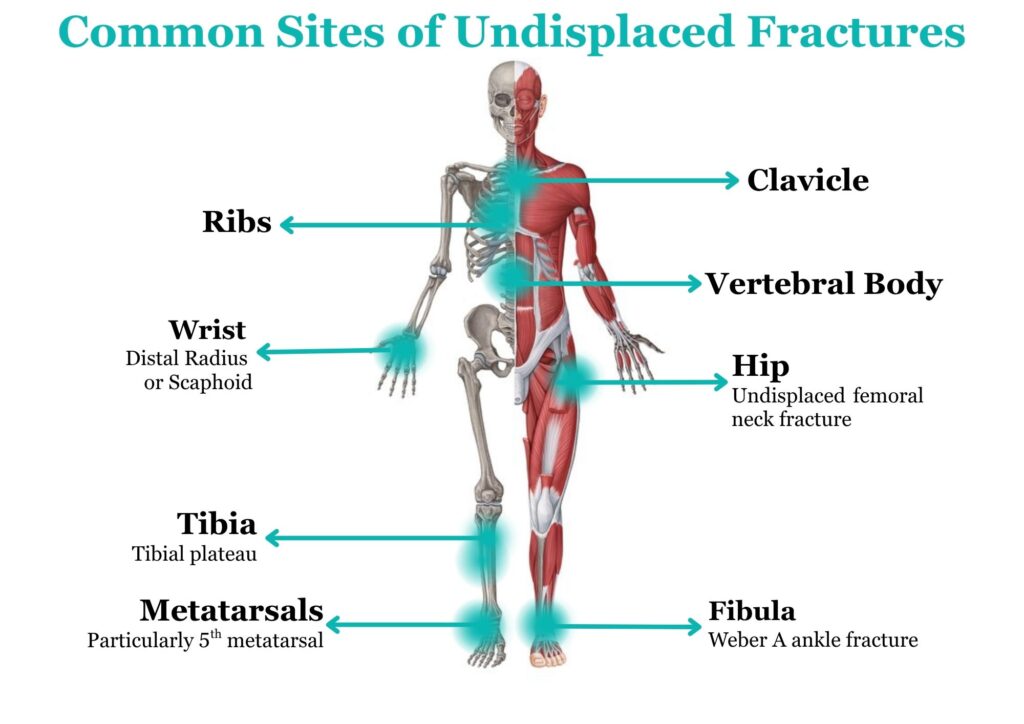
- Common sites for undisplaced fractures include the wrist, metatarsals, scaphoid, clavicle, ribs, fibula, hip, and vertebral body.
- LLLT can be an excellent adjunct treatment for fractures that are healing slowly or showing delayed union. It promotes accelerated healing by reducing inflammation, enhancing blood flow, and stimulating tissue regeneration.
- Splints, braces, and supports are used to immobilise the fracture, keep the bone in alignment, and limit movement, providing pain relief and aiding tissue healing.
- LLLT addresses the root cause of slow or non-union fractures by supporting the body’s natural healing process, improving bone repair, and reducing the risk of further injury or complications.
- LLLT is a safe, non-invasive, and effective treatment for promoting faster recovery in undisplaced fractures, complementing traditional treatments such as immobilisation.
What are Undisplaced Fractures?
An undisplaced fracture is a type of bone fracture where the bone has cracked or broken, but the fragments remain in near-normal alignment. Unlike displaced fractures, where the bone fragments are misaligned, an undisplaced fracture typically requires less intervention, but still needs to be carefully managed to prevent complications.
The periosteum (the outer membrane of the bone) and the surrounding soft tissues often remain partially intact, which helps to stabilise the fragments and reduce the likelihood of further displacement.
The key principle in treating these fractures is to maintain alignment, protect the fracture, and allow natural healing while managing the load placed on the injured area.
Causes of Undisplaced Fractures:
Undisplaced fractures typically occur due to:
- Trauma or sudden impact: A direct blow or fall, such as falling onto an outstretched hand (FOOSH injury).
- Overuse: Repetitive stress on bones from activities such as running, jumping, or other high-impact movements.
- Bone density issues: Conditions such as osteoporosis or osteopenia, where bones are more fragile and prone to fracture under less force.
- Age: Older individuals, particularly those with diminished bone strength, are more susceptible to fractures.
- Sports: Activities such as basketball, tennis, or gymnastics can contribute to repetitive stress and subsequent fractures.
Common Sites Involved:
Undisplaced fractures can occur in several locations throughout the body. Common areas include:
- Wrist (distal radius): Often occurs from low-energy falls, especially in older adults (FOOSH injuries).
- Metatarsals (especially the 5th metatarsal): Typically results from stress fractures or inversion injuries to the foot.
- Scaphoid (wrist): A common site in younger adults due to FOOSH injuries.
- Clavicle: Typically occurs after direct shoulder trauma, often during sports or falls.
- Ribs: May result from blunt chest trauma, intense coughing, or osteoporotic fractures in older individuals.
- Fibula (Weber A ankle fracture): Usually caused by low-energy inversion injuries to the ankle.
- Hip (undisplaced femoral neck fracture): Common in elderly individuals after early-stage falls.
- Vertebral body: Compression fractures in osteoporotic individuals without significant trauma.
- Tibial plateau: Often occurs in elderly individuals due to low-energy valgus stress.
Symptoms of Undisplaced Fractures:
The symptoms of an undisplaced fracture may vary depending on the location and severity of the injury but generally include:
- Pain: Typically, pain is localised to the fracture site and worsens with movement or pressure.
- Swelling: Swelling may occur around the injured area, particularly in the first 24–48 hours.
- Tenderness: The area may be sensitive to touch.
- Bruising: Discoloration may appear over time around the injury site.
- Limited mobility: Difficulty moving the affected limb or joint due to pain or instability.
Diagnosis of Undisplaced Fractures:
Diagnosing an undisplaced fracture involves:
- Medical History: A thorough assessment of how the injury occurred and symptoms experienced.
- Physical Examination: Checking for tenderness, swelling, and bruising around the injury site, as well as assessing the range of motion.
- Imaging: X-rays are typically used to confirm the fracture, though early fractures may be subtle and require follow-up imaging. In some cases, MRI or CT scans may be needed to detect small or hairline fractures.
Treatment of Undisplaced Fractures Using LLLT/PBMT
Why Choose Low Level Laser Therapy (LLLT)?
Many patients come to us after trying various other approaches with only limited or temporary relief. LLLT offers a scientifically validated, gentle, and highly effective treatment option. By addressing the root cause, it promotes true healing from the inside out without side effects. LLLT restores balance to the inflammatory process, supports tissue healing, and reduces pain.
Common, conventional approaches such as icing, stretching, exercises, massage, or anti-inflammatory medications may temporarily ease symptoms but do not target the underlying problem. In some cases, these can even aggravate sensitive or inflamed tissues, including exercise introduced too early.
- Ice: Beyond the first 24 hours, ice can impede healing by reducing blood flow. Read more here.
- Anti-inflammatories: While they can reduce inflammation temporarily, they may delay natural healing and cause side effects when overused.
- Cortisone Injections: May provide short-term relief but do not promote tissue repair and can weaken tendons or bones over time, leading to recurrence.
- PRP Injections: These are invasive, painful, and only deliver a limited effect in very specific areas. Evidence for their efficacy remains inconsistent.
At Laser Pain Therapy, we use Low Level Laser Therapy (LLLT) as a primary component of a holistic, medically supervised six-week treatment program, including rehabilitation support, tailored to each patient’s specific needs. Led by Dr. Shikha Parmar, a GP with a special interest in musculoskeletal injury and pain, our clinic provides safe, non-invasive, and evidence-based care under direct medical supervision.
Splinting, Bracing, and Supports: For undisplaced fractures, the use of splints, half-plasters, or supportive braces plays a critical role in stabilising the affected area. These devices help maintain proper alignment of the bones and prevent unnecessary movement, reducing the risk of secondary displacement. By limiting motion, splints and braces provide pain relief and reduce stress on the injured area during daily activities.
They support the natural healing process by ensuring the fracture site remains protected, facilitating tissue repair while allowing the bone to heal in its correct position. Depending on the fracture’s location, the type of immobilisation may vary, with the goal being to promote healing while avoiding further damage or strain.
LLLT is ideal for undisplaced fractures where inflammation and micro-trauma persist, and where mechanical stress must be avoided during recovery.
Additionally, Low Level Laser Therapy (LLLT) can be an excellent adjunct treatment for fractures that are healing slowly or those that show signs of delayed union. LLLT helps accelerate the healing process by reducing inflammation, improving blood flow, and stimulating tissue regeneration at the cellular level. This can be particularly beneficial for fractures that are not progressing as expected, promoting bone healing and potentially enhancing the formation of callus and bone union, thus reducing the likelihood of complications.
How LLLT Works
Inflammation is the body’s natural response to injury, essential for initiating healing. However, when this response becomes chronic or excessive, it can disrupt the body’s own repair mechanisms, resulting in prolonged pain and dysfunction. LLLT addresses this imbalance by restoring proper immune function and creating optimal conditions for tissue regeneration.
Read how LLLT does this here.
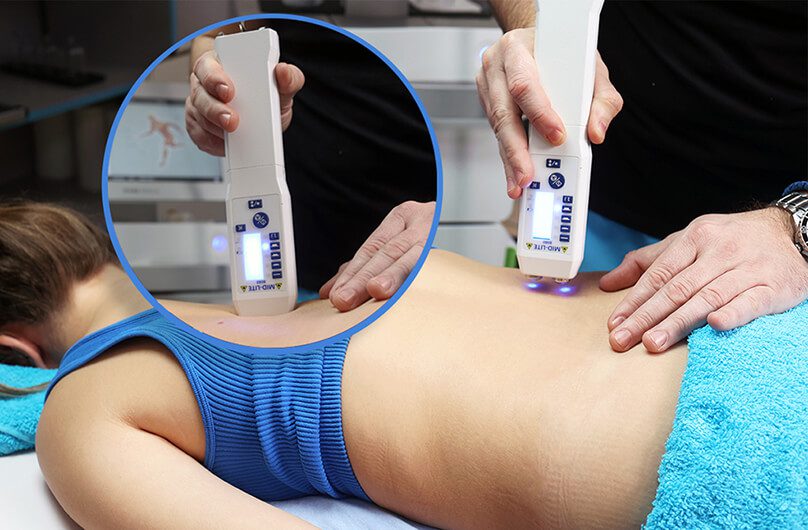
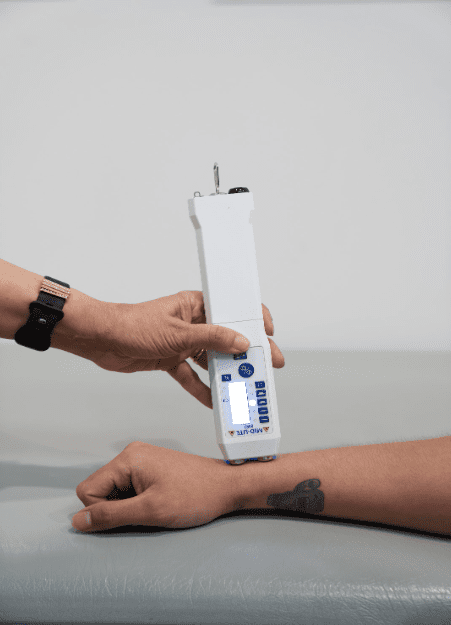
LLLT uses red and near-infrared light to promote healing and tissue repair at the cellular level. Through scientific and clinical studies, LLLT has been shown to:
- Improve blood flow and oxygen delivery to tissues, promoting healing.
- Enhance lymphatic drainage and waste removal, supporting the detoxification process.
- Reduce inflammation by addressing oxidative stress, a major cause of many musculoskeletal conditions.
- Stimulate cellular energy (ATP) production, which accelerates tissue repair.
- Support tissue regeneration, helping restore balance to the immune response.
Importantly, LLLT does all of this without applying mechanical stress to the injured area, facilitating true healing without aggravating the injury.
Proven, Safe, and Effective
LLLT is supported by more than 700 randomised controlled trials and over 7,000 studies. It is used worldwide in thousands of clinics, hospitals, and elite sports institutions.
LLLT/PBM Therapy offers numerous benefits:
- Scientifically proven and evidence-based
- Non-invasive, painless, and drug-free
- No effect on normal tissues, safe, and non-toxic, with no side effects
- Clinically proven to eliminate pain, promote natural healing and tissue regeneration, and restore function
- Provides long-term relief, addressing the root cause of musculoskeletal pain
At our GP-led clinic, we combine expert medical assessment with the latest non-invasive therapies. Every patient is seen by Dr. Shikha Parmar to ensure accurate diagnosis and management planning. Treatment delivery is performed by highly trained assistants under direct medical supervision.
Treatment Plan
Our Low Level Laser Therapy (LLLT) program is structured, time-limited, and medically supervised by Dr. Shikha Parmar. Each patient receives a comprehensive assessment that takes into account their health history, medications, lifestyle, work, personal activity demands, and any nutritional deficiencies. This holistic approach allows us to tailor the care plan with LLLT at the core, supported by personalised advice.
Our standard treatment program includes:
- Up to 12 LLLT sessions, with a review after 6 to assess early progress
- Individualised advice for managing the injury and activity modification
- A guided rehabilitation and return-to-function plan to support long-term recovery
While outcomes vary, we typically expect a 15–20% improvement in pain or function within the first 6 sessions if the treatment is likely to be effective. If this threshold isn’t met – which is uncommon – we will reassess the treatment plan, and treatment is generally not continued. The number of sessions can be adjusted based on progress and discussed in detail with the patient.
If there is a treatment response after 2 to 3 weeks, we recommend 6 further treatments, along with introducing our protocol of light and gradual graded rehab, to effect a path to resolution of perhaps up to 70 to 90% improvement in best-case scenarios. Ongoing treatment beyond an anticipated 12-treatment protocol is not required, as your immune system will continue the healing process once laser therapy is withdrawn.
All treatment decisions are made collaboratively, keeping the patient’s progress, preferences, and medical context in mind.
Ready for Lasting Relief?
If you are struggling with persistent pain from an undisplaced fracture, we invite you to contact our experienced team at Laser Pain Therapy. Our LLLT treatment offers a safe, effective, and lasting solution to restore your comfort, mobility, and quality of life.
Contact us today to arrange your consultation and take the first step towards recovery.
📍 Located in Melbourne
📞 (03) 8529 2225 Contact Us