Stress Fractures Treatment with LLLT/PBMT
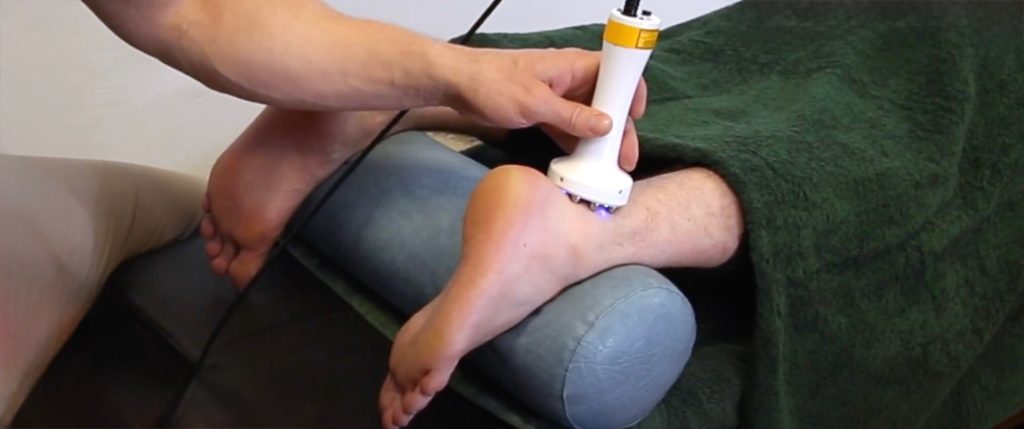
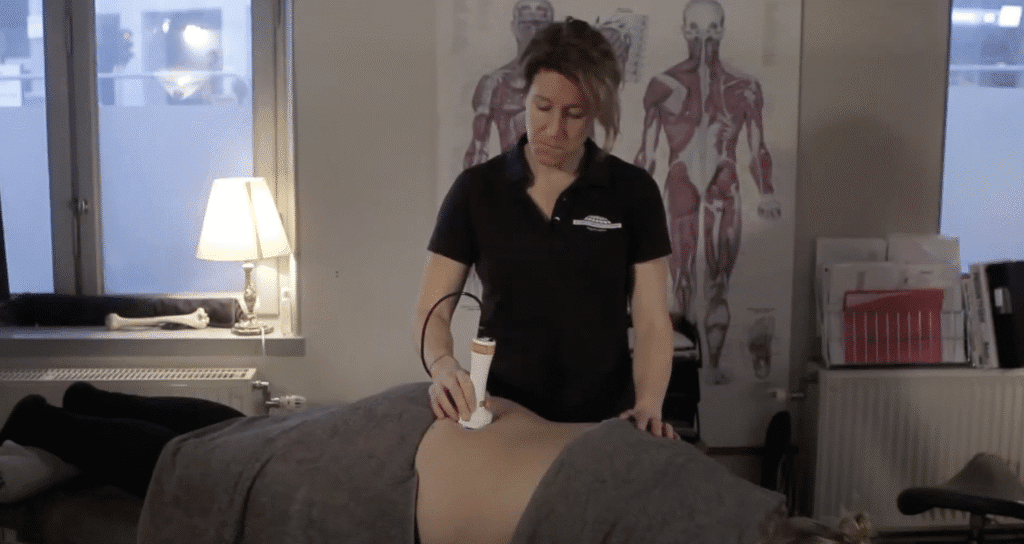
Low-Level Laser Therapy (LLLT), also known as Photobiomodulation Therapy (PBMT), involves the application of red and near-infrared light to injuries to stimulate cellular repair. Led by Dr. Shikha Parmar, a GP with expertise in managing chronic musculoskeletal pain, Laser Pain Therapy integrates LLLT as a core component of a holistic treatment plan. LLLT is a highly effective, painless, and completely safe therapy available in Melbourne, Victoria. By targeting the underlying cause of the injury, LLLT provides lasting relief and accelerates healing. This evidence-based treatment modality is supported by research from reputable institutions, including Harvard University and NASA. Applying the proven principles of LLLT, which have shown significant benefits for musculoskeletal injuries, stress fractures may experience substantial improvement through this therapy.
Gentle. Drug-Free. Clinically Proven
Key Points:
- Stress fractures are small, often hairline fractures in the bone caused by repetitive stress or overuse, particularly in weight-bearing bones.
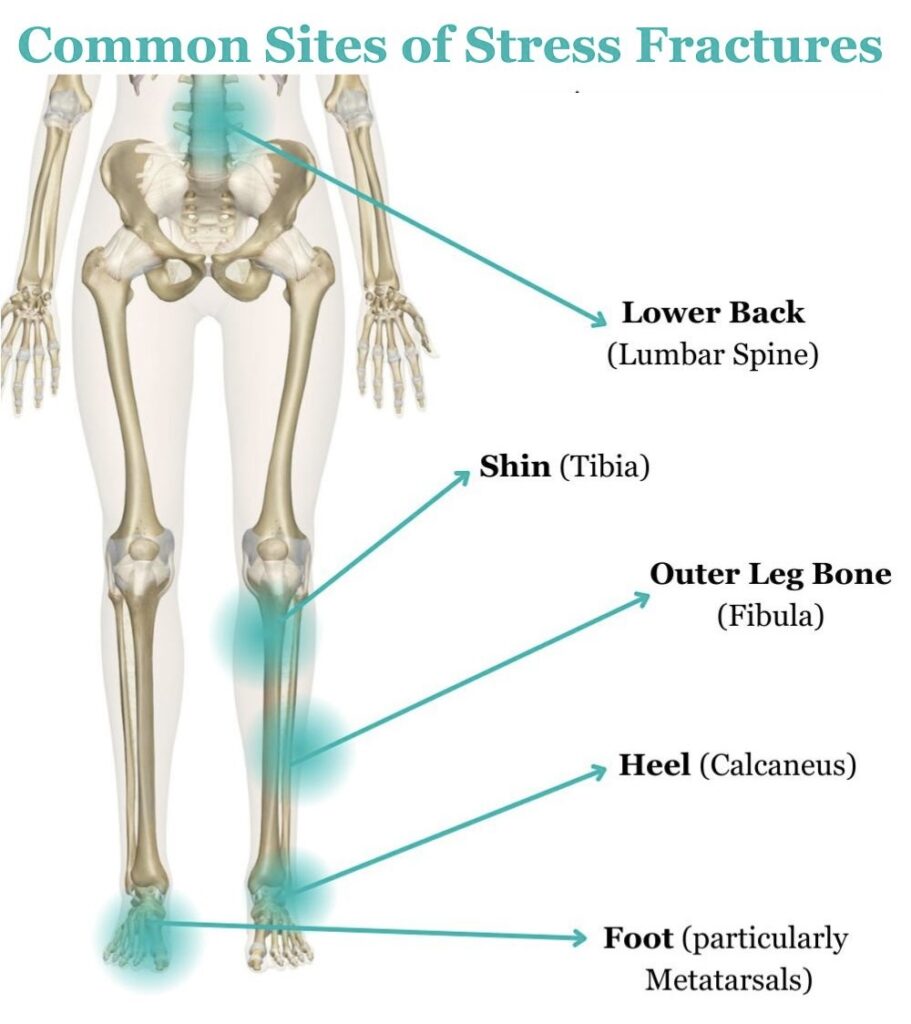
- Common sites affected by stress fractures include the foot, shin, heel, lower back, and fibula.
- LLLT is a scientifically validated, non-invasive, and pain-free treatment for stress fractures, helping to reduce inflammation, stimulate tissue regeneration, and accelerate healing.
- LLLT promotes healing at the cellular level by improving blood flow, enhancing oxygen delivery, and supporting collagen synthesis.
- Conventional treatments such as rest, icing, anti-inflammatory medications, or cortisone injections may provide temporary relief but do not directly address the underlying tissue damage and inflammation.
- LLLT accelerates healing by balancing inflammation and promoting cellular energy production, which speeds up tissue repair without causing further stress on the injured area.
What are Stress Fractures?
A stress fracture is a small, often hairline fracture in the bone caused by repetitive force or overuse, particularly in athletes or individuals who engage in high-impact activities. Unlike fractures from trauma, stress fractures develop gradually and are typically seen in weight-bearing bones such as the shin, foot, and lower back.
Common Sites of Stress Fractures:
- Foot (particularly the metatarsals)
- Shin (tibia)
- Heel (calcaneus)
- Lower back (lumbar spine)
- Fibula (outer leg bone)
Stress fractures are common in sports that involve running, jumping, or sudden shifts in direction. They can also occur in individuals who suddenly increase the intensity or duration of physical activity without proper conditioning.
What are Stress Fractures?
A stress fracture is a small, often hairline fracture in the bone caused by repetitive force or overuse, particularly in athletes or individuals who engage in high-impact activities. Unlike fractures from trauma, stress fractures develop gradually and are typically seen in weight-bearing bones such as the shin, foot, and lower back.
Common Sites of Stress Fractures:
- Foot (particularly the metatarsals)
- Shin (tibia)
- Heel (calcaneus)
- Lower back (lumbar spine)
- Fibula (outer leg bone)
Stress fractures are common in sports that involve running, jumping, or sudden shifts in direction. They can also occur in individuals who suddenly increase the intensity or duration of physical activity without proper conditioning.
Causes and Risk Factors:
Stress fractures occur due to repetitive stress or overload on a bone, leading to tiny cracks. Common causes and risk factors include:
- Overuse or repetitive high-impact activity, such as running, ballet, or basketball.
- Improper footwear that fails to provide adequate support.
- Sudden increases in physical activity without gradual progression.
- Bone density issues (such as in osteoporosis).
- Poor nutrition (e.g., insufficient calcium or vitamin D).
- Foot abnormalities (e.g., high arches or flat feet).
- Age (older individuals may experience decreased bone strength).
- Gender (female athletes are more prone due to lower bone density and hormonal factors).
Symptoms of Stress Fractures:
- Pain that develops gradually, often starting as a dull ache that worsens with activity.
- Swelling around the injured area.
- Tenderness to touch.
- Pain that is relieved by rest but recurs with activity.
- Pain during weight-bearing activities such as walking or running.
Stress fractures can sometimes be overlooked, especially in the early stages, as the symptoms may initially be subtle.
Diagnosis of Stress Fractures:
Diagnosing a stress fracture typically involves a clinical examination followed by imaging tests. Common methods include:
- X-rays: May detect stress fractures once they have started to heal, but may not identify fractures in the early stages.
- MRI (Magnetic Resonance Imaging): Provides detailed images and can detect stress fractures in the bone before healing begins.
- Bone Scintigraphy (Bone Scan): Useful for identifying early stress fractures and areas of bone inflammation.
Treatment of Stress Fractures Using Low Level Laser Therapy (LLLT/PBMT):
Treatment of stress fractures focuses on relieving pain, promoting healing, and preventing further injury. Low Level Laser Therapy (LLLT), also called Photobiomodulation Therapy (PBMT), is an effective, non-invasive treatment option that addresses the underlying tissue damage in stress fractures.
While traditional treatments may provide short-term relief, they do not always address the core issue – inflammation and micro-trauma to the bone and surrounding soft tissues. Here’s why LLLT is especially effective in treating stress fractures:
Why Conventional Treatments May Fail:
- Conventional treatments such as rest, icing, or medication only address symptoms but do not target the root cause of stress fractures. They may not facilitate healing at the cellular level, where tissue repair actually occurs.
- Long-term rest or inactivity can result in muscle atrophy and joint stiffness, which may lead to weakness, compensatory injury, and slower recovery.
- Anti-inflammatory medications and cortisone injections may suppress symptoms temporarily but delay long-term healing by interfering with natural tissue regeneration and collagen synthesis.
Conventional Treatments:
- Rest and immobilisation are often recommended, but these methods do not actively promote tissue regeneration and may leave patients feeling weak and deconditioned after long periods of rest.
- Icing: Used to reduce swelling, but beyond the acute phase, it can impede circulation and hinder healing by restricting blood flow. Read more here.
- Anti-inflammatory medications: While helpful in reducing symptoms, they may delay the natural healing process by suppressing inflammation too much.
- Cortisone Injections: Though effective at reducing inflammation, these injections do not promote tissue repair and can weaken tendons and bones over time, leading to a recurrence of the injury.
- Surgical interventions: Sometimes required if the stress fracture does not heal with conservative treatment, but surgery is invasive and carries risks.
Why LLLT is Helpful in Improving Recovery:
Low Level Laser Therapy (LLLT) offers significant advantages over traditional treatments by directly addressing the tissue healing process:
- Reducing Inflammation: Inflammation is a critical part of the healing process, but when it becomes excessive, it can delay recovery. LLLT helps to balance the inflammatory response, promoting optimal conditions for healing.
- Promoting Tissue Regeneration: LLLT stimulates the production of ATP (adenosine triphosphate), the energy molecule that powers cells. This accelerates the repair of damaged tissues, including bone and soft tissues.
- Improving Blood Flow: LLLT enhances circulation, bringing more oxygen and nutrients to the injured site, which speeds up recovery.
- Stimulating Collagen Synthesis: Collagen is a crucial component for the healing of tendons, ligaments, and bones. LLLT stimulates the cells responsible for collagen production, enhancing tissue strength and integrity.
- Pain Reduction: LLLT helps manage pain by reducing oxidative stress and promoting natural healing at the cellular level, without the side effects associated with medications.
By targeting inflammation, pain, and tissue regeneration at the cellular level, LLLT promotes true healing without mechanical stress, ensuring that patients recover faster and with less risk of re-injury.
Proven, Safe, and Effective
LLLT has been extensively studied, with more than 700 randomised controlled trials and over 7,000 studies supporting its efficacy. It is used worldwide in clinics, hospitals, and elite sports institutions.
Treatment Plan
Our Low Level Laser Therapy (LLLT) program is structured, time-limited, and medically supervised by Dr Shikha Parmar.
Each patient receives a comprehensive assessment that takes into account their health history, medications, lifestyle, work, personal activity demands, and any nutritional deficiencies. This holistic approach allows us to tailor the care plan with LLLT at the core, supported by personalised advice.
Our standard treatment program includes:
- Up to 12 LLLT sessions, with a review after 6 to assess early progress
- Individualised advice for managing the injury and activity modification
- A guided rehabilitation and return-to-function plan to support long-term recovery
While outcomes vary, we typically expect a 15–20% improvement in pain or function within the first 6 sessions if the treatment is likely to be effective. If this threshold isn’t met – which is uncommon – we will reassess the treatment plan, and treatment is generally not continued. The number of sessions can be adjusted based on progress and discussed in detail with the patient.
If there is a treatment response after the 2 to 3 weeks, we recommend 6 further treatments, along with introducing our protocol of light and gradual graded rehab, to effect a path to resolution of perhaps up to 70 to 90% improvement in best case scenario. Ongoing treatment beyond an anticipated 12-treatment protocol is not required, as your own immune system will continue the healing process once laser therapy is withdrawn.
All treatment decisions are made collaboratively, keeping the patient’s progress, preferences, and medical context in mind.
Ready for Lasting Relief?
If you are struggling with persistent pain or dysfunction from a stress fracture, we invite you to contact our experienced team at Laser Pain Therapy. Our LLLT treatment offers a safe, effective, and lasting solution to restore your comfort, mobility, and quality of life.
Contact us today to arrange your consultation and take the first step towards recovery.
📍 Located in Melbourne
📞 (03) 8529 2225 Contact Us