Treatment of Sever’s Disease Using LLLT/PBMT
Gentle. Drug-Free. Clinically Proven
Low-Level Laser Therapy (LLLT), also known as Photobiomodulation Therapy (PBMT), is a highly effective, non-invasive, and drug-free treatment for Sever’s Disease in Melbourne, Victoria. Led by Dr Shikha Parmar, a GP with expertise in managing and resolving chronic musculoskeletal pain, Laser Pain Therapy incorporates LLLT as part of a holistic treatment plan. LLLT is a completely safe, painless treatment modality that targets the underlying cause of the injury rather than simply masking the pain, as pain medications often do. Supported by research from reputable institutions, including Harvard University and NASA, LLLT is an evidence-based therapy for musculoskeletal conditions, including Sever’s Disease.
Key Points
- Sever’s Disease is a condition that causes heel pain in growing adolescents, typically affecting children aged 8 to 14, especially those who are involved in physical activities such as running, jumping, or sports.
- The condition is caused by a growth imbalance between the bones and soft tissues, leading to inflammation at the heel’s growth plate.
- It is commonly associated with rapid growth spurts and aggravated by high-impact activities.
- Common symptoms include pain, swelling, and tenderness in the heel, especially after physical activity.
- Conventional treatments may include rest, ice, anti-inflammatory medications, but these methods often provide only temporary relief and do not address the underlying issue of tendon inflammation.
- Physical therapy, such as strengthening or stretching exercises, is not typically beneficial for Sever’s Disease and may aggravate the condition by placing additional strain on the affected area.
- LLLT is a non-invasive, drug-free treatment that effectively reduces inflammation, alleviates pain, and supports and aids long-term healing and regeneration without harmful side effects, allowing children to return to normal activity sooner
- LLLT is safe for children, including those with musculoskeletal conditions involving growth plates. Research supports that LLLT does not negatively affect bone development or cartilage.
- At Laser Pain Therapy, all LLLT treatments are GP-led by Dr Shikha Parmar, with a structured treatment program tailored to each patient’s needs.
- LLLT has been scientifically proven to restore function, reduce inflammation, and improve outcomes in conditions such as Sever’s Disease.
What is Sever’s Disease?
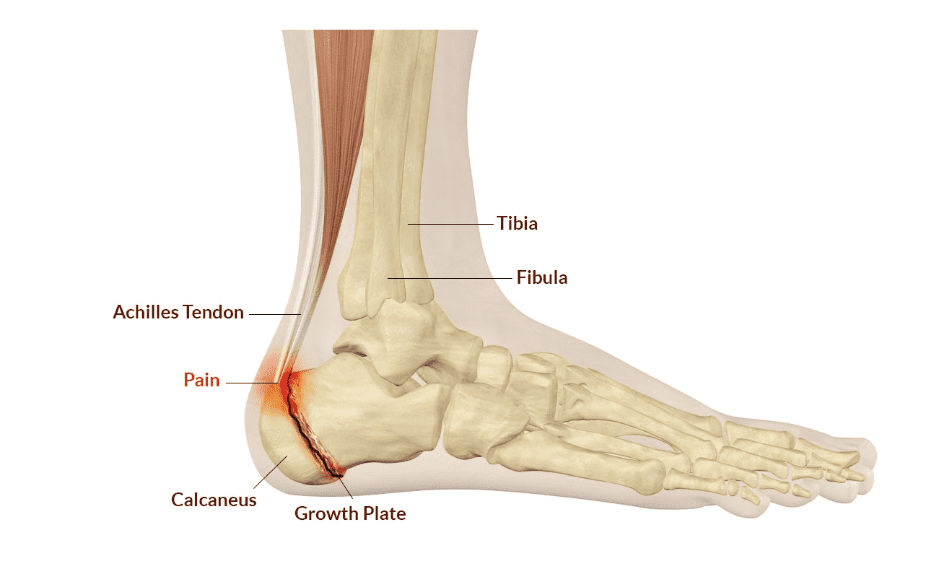
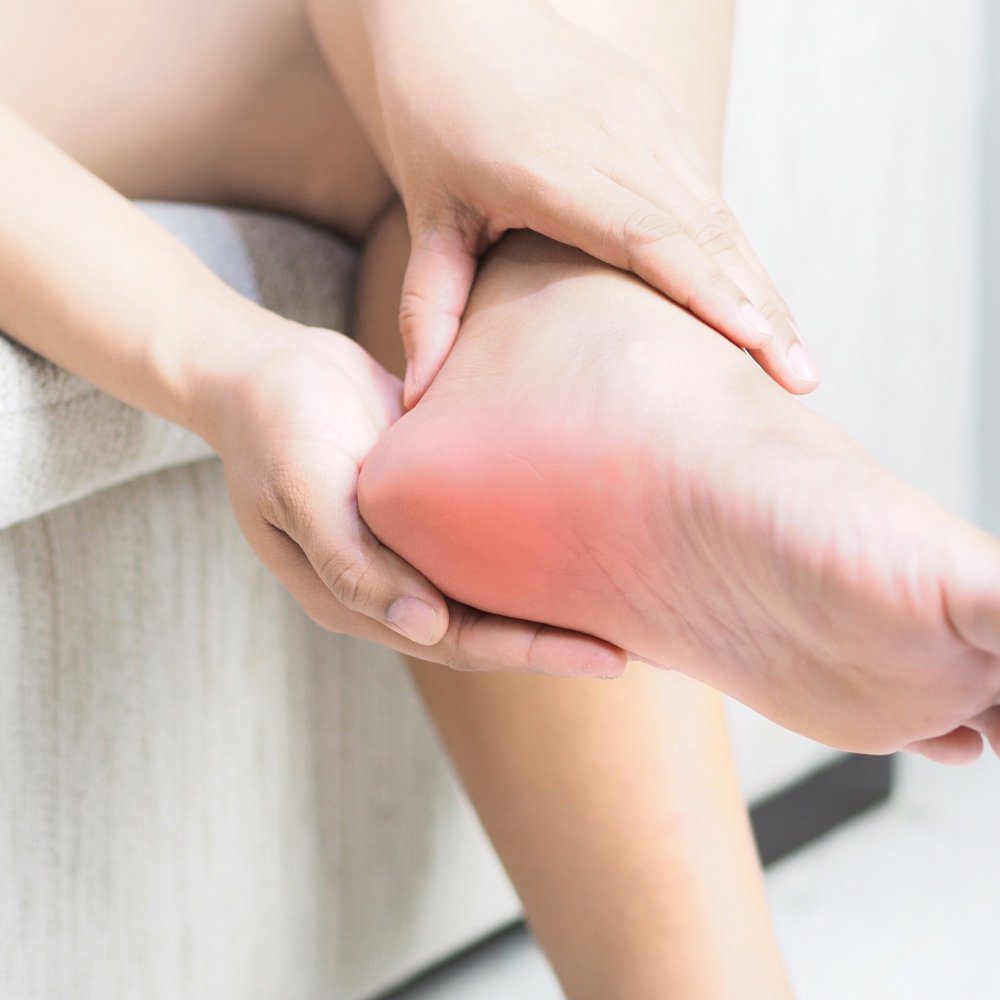
Sever’s Disease, also known as calcaneal apophysitis, is a condition that causes heel pain in growing adolescents, especially those who are experiencing a growth spurt. It is most commonly seen in children aged 8 to 14, particularly in those who are physically active or involved in sports that put stress on the heels, such as running, jumping, or playing soccer.
The condition arises from inflammation of the growth plate at the heel (calcaneus), caused by the natural growth imbalance between the growing bones and the surrounding soft tissues. The Achilles tendon, which attaches to the heel, may pull on the growth plate during periods of rapid growth, causing irritation or micro-tears.
Sever’s Disease is primarily driven by the rapid growth of the heel bone during puberty, with physical activities acting as a contributing factor rather than the primary cause. Although the condition can be aggravated by repetitive activity, it is not caused by trauma or injury. The pain and discomfort are temporary and typically resolve as the child’s bones fully mature. However, if left untreated, it can affect the child’s ability to engage in physical activities, limiting sports participation and causing persistent discomfort.
Low-Level Laser Therapy (LLLT) can help manage symptoms and accelerate healing, providing relief from pain and allowing children to return to normal activity sooner.
Causes of Sever’s Disease
Sever’s Disease is most commonly seen in active adolescents, especially those involved in sports that put stress on the heels, such as running, jumping, and playing soccer. The condition arises due to a natural growth imbalance between the bones and soft tissues during periods of rapid growth, which can cause discomfort, particularly in physically active children. Contributing factors include:
- Rapid growth during puberty, which leads to a mismatch between the growth of the heel bone (calcaneus) and surrounding soft tissues, placing strain on the Achilles tendon and the growth plate at the heel.
- Repetitive physical activity, such as running, jumping, and playing sports, which increases tension on the Achilles tendon and may exacerbate the condition, especially during periods of rapid growth.
- Overuse or sudden increases in activity intensity or duration, particularly without adequate rest or conditioning, can further strain the Achilles tendon, aggravating the condition.
- Tight calf muscles, which can place additional tension on the Achilles tendon, contributing to the development of Sever’s Disease.
Common Symptoms of Sever’s Disease
The symptoms of Sever’s Disease typically include:
- Pain, swelling, or tenderness at the back or bottom of the heel, especially after physical activity.
- Pain that worsens with activities such as running, jumping, or walking.
- Difficulty walking or running due to heel discomfort.
- Tenderness to touch at the heel or around the Achilles tendon.
- The pain generally improves with rest but may recur with physical activity.
How is Sever’s Disease Diagnosed?
Sever’s Disease is typically diagnosed through a thorough clinical evaluation. Dr Shikha Parmar will assess the child’s history of heel pain, activity levels, and any potential triggers. A physical examination will be performed to check for swelling, tenderness, and pain around the heel and Achilles tendon.
Imaging, such as X-rays, may be used to rule out other causes of heel pain, such as fractures or infections. X-rays can help confirm the presence of inflammation in the growth plate or to check for other structural issues.
Treatment of Sever’s Disease
Why Choose Low-Level Laser Therapy (LLLT) or Photobiomodulation Therapy (PBMT)?
LLLT is an evidence-based, non-invasive treatment option that addresses the root cause of Sever’s Disease by promoting tissue healing, reducing inflammation, and supporting cellular repair. It accelerates the healing process and reduces the risk of recurrence.
At Laser Pain Therapy, we use LLLT as the core of a structured program designed to address Sever’s Disease and support long-term recovery. This drug-free treatment provides long-lasting relief, helping children return to their normal activities more quickly without the side effects of medication or the need for invasive procedures.
Traditional Treatments for Sever’s Disease
Traditional treatments for Sever’s Disease typically focus on managing symptoms through rest, ice, anti-inflammatory medications, and physical therapy. While these treatments can help alleviate pain temporarily, they often do not address the underlying issue of tendon inflammation or promote long-term healing.
Ice, beyond the first 24 hours, can impede healing by reducing blood flow. Read more here.
Anti-inflammatories can reduce inflammation temporarily, but they may delay natural healing and carry risks when overused.
The Role of Physical Therapy in Sever’s Disease
Some patients find that physical therapy, including strengthening or stretching exercises, may worsen the symptoms. Sever’s Disease is an inflammatory condition caused by stress and tension on the growth plate during periods of rapid growth. It is not related to muscle weakness or biomechanical imbalances, and therefore, physical therapy is not effective in directly addressing or “correcting” the root cause. Introducing exercises may place additional strain on the affected area, potentially aggravating the inflammation.
Rather, Sever’s Disease resolves once the soft tissue adapts to the changes in bone growth. As the inflammation subsides—usually with rest and, where appropriate, the inclusion of LLLT (which alleviates pain and accelerates healing)—there is no need for specific physical therapy interventions. The child can then return to their usual physical activities and sports without further treatment.
LLLT/PBMT for Children and its Safety
Low-Level Laser Therapy is generally considered safe for children’s joints, including areas around growth plates. Research has shown that LLLT does not have any negative effects on bone growth, cartilage, or the development of growth plates.
In fact, LLLT has been shown to promote tissue healing, reduce inflammation, and support pain relief without harmful side effects or interference with bone development. It may also assist in healing and regeneration in cases where there has been damage to the epiphyseal plates. This makes it a suitable and non-invasive treatment option for children with musculoskeletal conditions, provided it is applied according to established guidelines and under professional supervision.
For instance, a review published in The Journal of Pediatrics of Korean Medicine (Nov 2015) examined several studies on the effects of LLLT on the growth of the epiphyseal (growth) plate. The review concluded that LLLT might positively influence the growth of the epiphyseal plate, with no significant adverse effects observed. However, the authors noted that further rigorous randomised controlled trials are warranted to confirm these findings.
Additionally, another study in Lasers in Medical Science(May 2022) investigated the effect of LLLT on condylar growth in children with skeletal class II malocclusion. The study found that LLLT did not have a synergistic impact on the skeletal and dental outcomes over a 9-month period, suggesting that LLLT did not adversely affect bone growth in this context.
These studies collectively support the safety of LLLT in paediatric applications, indicating that it does not negatively impact bone growth or development when used appropriately.
How LLLT Works
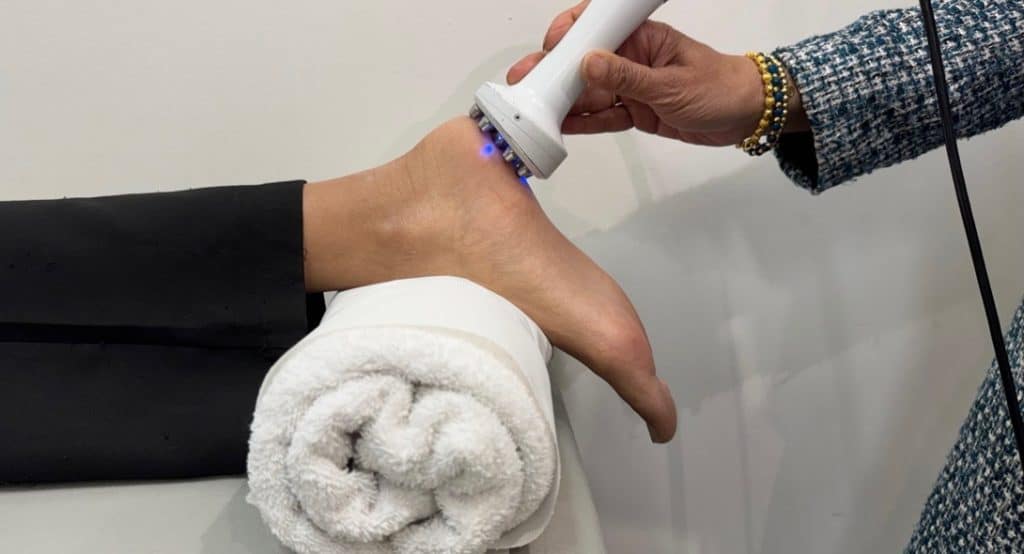
LLLT uses red and near-infrared light to penetrate the skin and stimulate healing at the cellular level. It works by:
- Reducing inflammation and oxidative stress, which are common in musculoskeletal injuries.
- Improving blood flow and oxygenation to the affected tissues, promoting faster healing.
- Stimulating cellular energy (ATP) production, which accelerates tissue repair and regeneration.
- Supporting tissue regeneration, helping restore the normal structure and function of the tendons.
Read in detail how LLLT does this here.
Proven, Safe, and Effective
LLLT is supported by more than 700 randomised controlled trials and over 7,000 studies demonstrating its effectiveness in promoting healing and reducing pain. It is:
- Scientifically proven and evidence-based.
- Non-invasive and painless.
- Drug-free and non-toxic, with no side effects.
- Clinically shown to eliminate pain, promote healing, and restore function.
- Proven to provide long-term relief, addressing the root cause of musculoskeletal pain.
At our GP-led clinic, every patient is thoroughly assessed by Dr Shikha Parmar to ensure accurate diagnosis and appropriate treatment planning. Treatment is delivered by highly trained assistants under direct medical supervision, ensuring high-quality care.
What to Expect
LLLT for Sever’s Disease aims to:
- Relieve pain and reduce inflammation.
- Promote healing of the Achilles tendon and surrounding tissues.
- Improve strength, stability, and flexibility.
- Support long-term recovery through rehabilitation.
As treatment progresses, we often see significant improvements in pain and function, helping children return to their physical activities with reduced discomfort and better mobility.
Treatment Plan
Our Low-Level Laser Therapy (LLLT) program for Sever’s Disease is medically supervised by Dr Shikha Parmar and tailored to the specific needs of each patient. The program is designed to address the root cause of the pain and support long-term healing.
The treatment plan includes:
Up to 12 LLLT sessions, with a review after 6 sessions to assess progress.
Individualised advice for managing the condition and modifying activities.
- A guided rehabilitation and recovery plan to restore function and prevent recurrence.
While outcomes vary, we generally expect a 15–20% improvement in pain or function within the first 6 sessions if the treatment is likely to be effective. If this threshold is not met—though this is uncommon—we will reassess the treatment plan and treatment will generally not continue.
If a positive treatment response is observed after the first 2 to 3 weeks, we recommend 6 further treatments, along with introducing our protocol of light and gradual graded rehabilitation, aiming for up to 70 to 90% improvement in the best-case scenarios.
Ongoing treatment beyond the anticipated 12-session protocol is generally not required, as your body’s immune system will continue the healing process once laser therapy is withdrawn.
All treatment decisions are made collaboratively, keeping the patient’s progress, preferences, and medical context in mind.
Ready for Lasting Relief?
If your child is struggling with Sever’s Disease, we invite you to contact our experienced team at Laser Pain Therapy. Our LLLT treatment offers a safe, effective, and lasting solution to restore comfort, mobility, and quality of life.
Contact us today to arrange your consultation and take the first step towards recovery.
📍 Located in Melbourne
📞 (03) 8529 2225 Contact Us