Treatment of Postherpetic Neuralgia / Shingles Using LLLT/PBMT
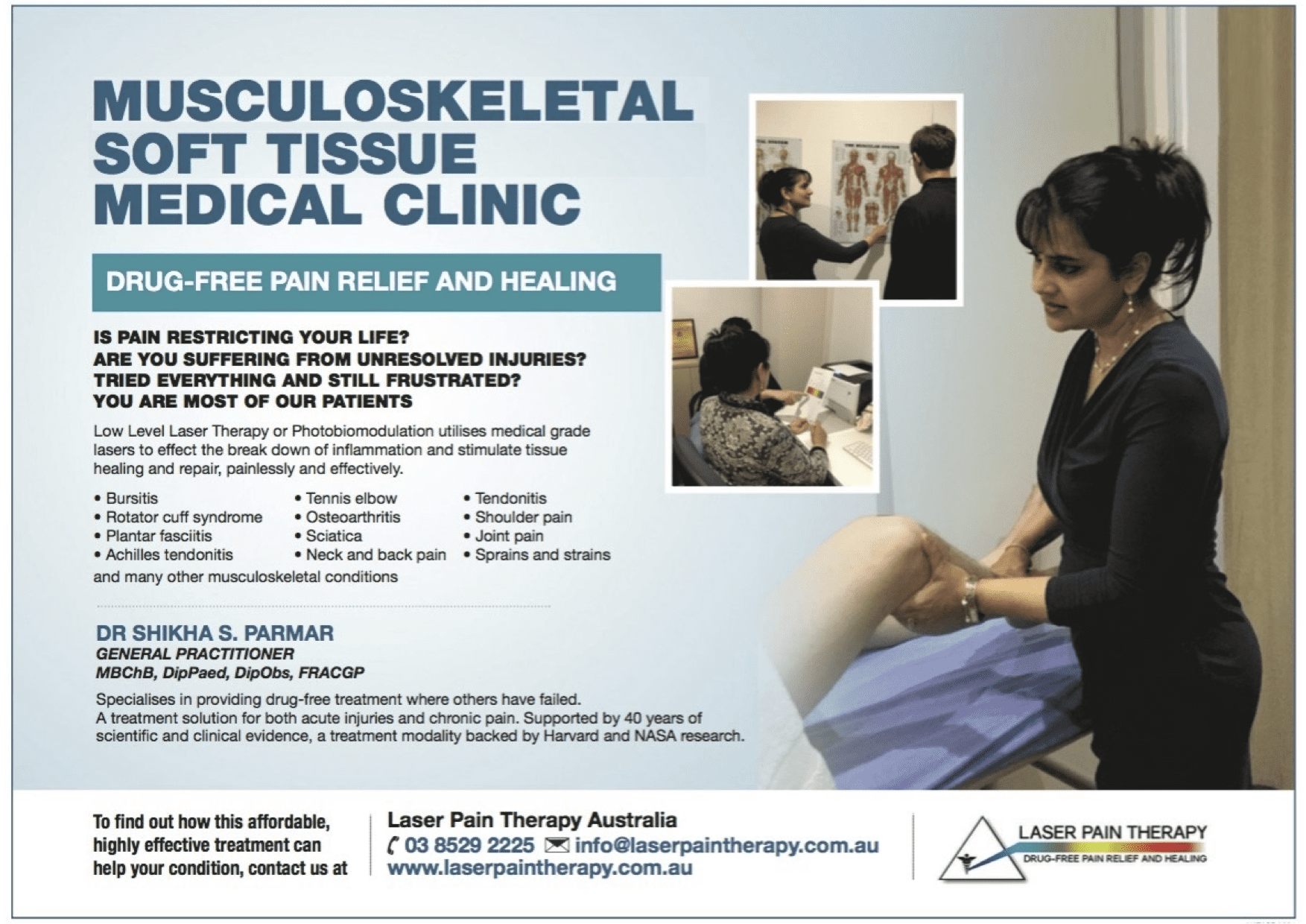
Low Level Laser Therapy (LLLT), also known as Photobiomodulation Therapy (PBMT), is a highly effective, non-invasive, and drug-free treatment for postherpetic neuralgia (PHN), or shingles neuralgia, in Melbourne, Victoria. Led by Dr Shikha Parmar, a GP with expertise in managing and resolving chronic musculoskeletal pain, this treatment involves the application of red and near-infrared light to promote cellular repair in injured tissues. LLLT is safe, painless, and targets the root cause of the injury, unlike pain medications that simply mask the pain. Supported by scientific research from reputable institutions such as Harvard University and NASA, LLLT is an evidence-based therapy for nerve-related conditions, including postherpetic neuralgia.
Gentle. Drug-Free. Clinically Proven
Key Points
- Postherpetic neuralgia (PHN) is a complication of shingles, a viral infection caused by the reactivation chickenpox virus, causing persistent nerve pain after the shingles rash has resolved.
- Common causes include a prior episode of shingles, where the varicella-zoster virus damages nerve fibres and causes inflammation.
- Symptoms of PHN include burning, stabbing, or itching pain in the areas previously affected by shingles, often persisting for months or even years.
- Conventional treatments may include antiviral medications, painkillers, or nerve blocks but often offer only partial relief and do not address the underlying nerve damage.
- Low Level Laser Therapy (LLLT) is an effective treatment that promotes tissue repair, reduces inflammation, and supports nerve regeneration, offering long-term pain relief.
- At Laser Pain Therapy, all LLLT treatments are GP-led by Dr Shikha Parmar, with a structured, six-week, medically supervised program and tailored rehabilitation support.
- LLLT has been scientifically proven to relieve pain, restore nerve function, and improve outcomes in PHN patients.
- LLLT works by promoting cellular healing and reducing inflammation, making it a superior treatment option for long-term pain relief.
What is Shingles?
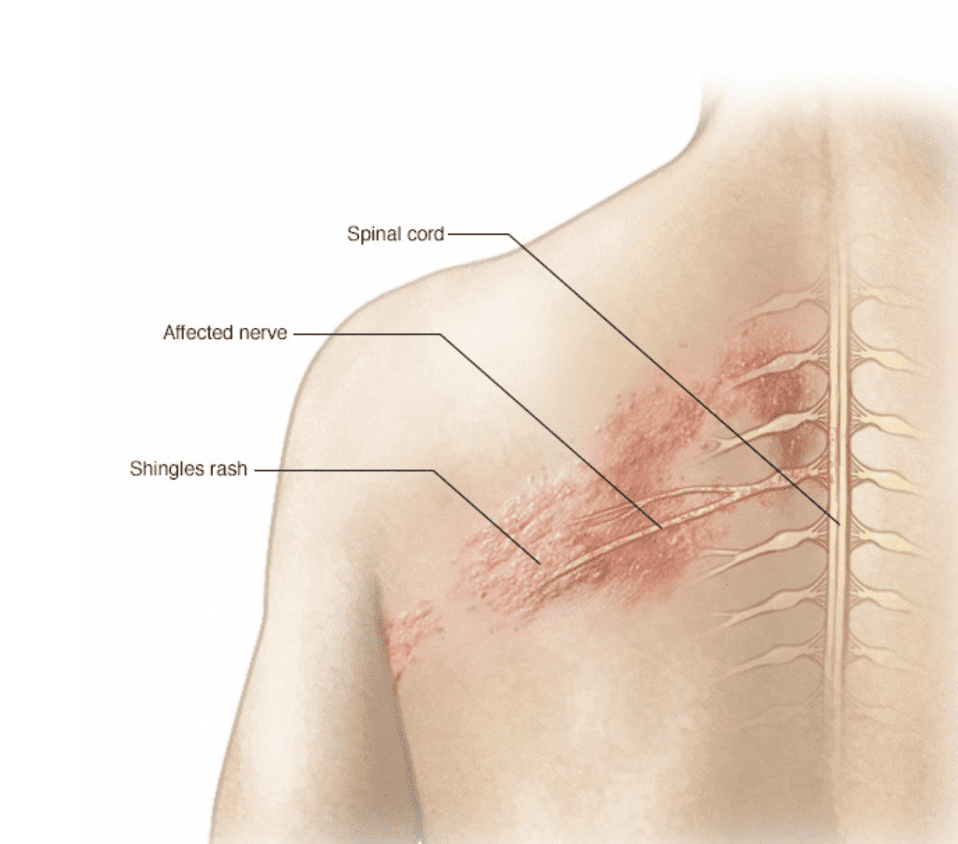
Shingles, also known as herpes zoster, is a viral infection caused by the reactivation of the varicella-zoster virus (VZV), which is the same virus that causes chickenpox. After an initial chickenpox infection, the virus lies dormant in the body’s nerve tissues. It can reactivate later in life typically when the immune system is weakened due to stress, aging, or other factors.
Shingles manifests as a painful rash, often appearing as a band or cluster of blisters on one side of the body, usually on the torso, although it can affect other areas, including the face. The rash is usually accompanied by itching, burning, or tingling sensations.
In some cases, the pain persists even after the rash has healed, leading to a condition known as postherpetic neuralgia (PHN).
What Is Postherpetic Neuralgia?
Postherpetic neuralgia (PHN) is a chronic pain condition that develops after an outbreak of shingles. It occurs due to nerve damage caused by the herpes zoster virus during the shingles outbreak leads to persistent pain, even after the rash has healed.
The pain associated with PHN can last for months or even years and is described as burning, sharp, or stabbing. It occurs in the area where the shingles rash was previously located, often affecting the skin and underlying nerves.
PHN is more common in older adults or those with weakened immune systems, and its severity can vary, making early treatment for shingles important in reducing the risk of developing PHN.
Causes of Postherpetic Neuralgia
The primary cause of PHN is a prior episode of shingles. The varicella-zoster virus damages the nerve fibres during the shingles outbreak, causing inflammation and affecting the way the nerves transmit pain signals.
Some risk factors for developing PHN include:
- Advanced age (individuals over 60 are at greater risk)
- Severe shingles rash or pain during the acute phase
- Delayed or inadequate treatment during the shingles outbreak
Common Symptoms
PHN presents with:
- Persistent burning, stabbing, or itching pain in the area where the shingles rash appeared
- Sensitivity to touch or wind (allodynia)
- Pain that worsens with activity or temperature changes
- Pain that can last for months or years after the shingles rash has healed
How is Postherpetic Neuralgia Diagnosed?
Diagnosis is made through clinical evaluation by your usual family doctor. Dr Shikha Parmar will confirm the diagnosis by assessing your history of shingles and the duration and nature of your pain. During the physical examination, she may check for areas of heightened sensitivity or allodynia.
Occasionally additional imaging or tests may be conducted to rule out other conditions or confirm nerve damage associated with PHN.
Treatment for Postherpetic Neuralgia
Why Choose Low Level Laser Therapy (LLLT)?
Conventional treatments for PHN often include pain medications, antidepressants, and anticonvulsants, which may provide temporary relief but often fail to address the underlying nerve damage caused by the herpes zoster virus. While these treatments may alleviate some symptoms, they often do not facilitate true healing or restore nerve function.
Topical treatments, including lignocaine or capsaicin creams, can offer some symptom relief but are limited in scope and effectiveness. Similarly, invasive treatments such as nerve blocks or corticosteroid injections can provide short-term relief, but they do not address the root cause of the pain.
Low Level Laser Therapy (LLLT), or Photobiomodulation Therapy (PBMT), offers a non-invasive, drug-free, and scientifically supported solution for treating PHN. LLLT works by promoting cellular repair, reducing inflammation, and improving blood flow to the affected nerve. It stimulates the production of ATP (cellular energy), which helps regenerate damaged nerve tissue and reduce pain signals.
At Laser Pain Therapy, we use LLLT as the primary treatment modality for PHN, as part of a structured, six-week program under medical supervision, led by our experienced GP Dr Shikha Parmar. This treatment works without applying mechanical stress to the affected area, making it ideal for nerve-related conditions such as PHN.
How LLLT Works
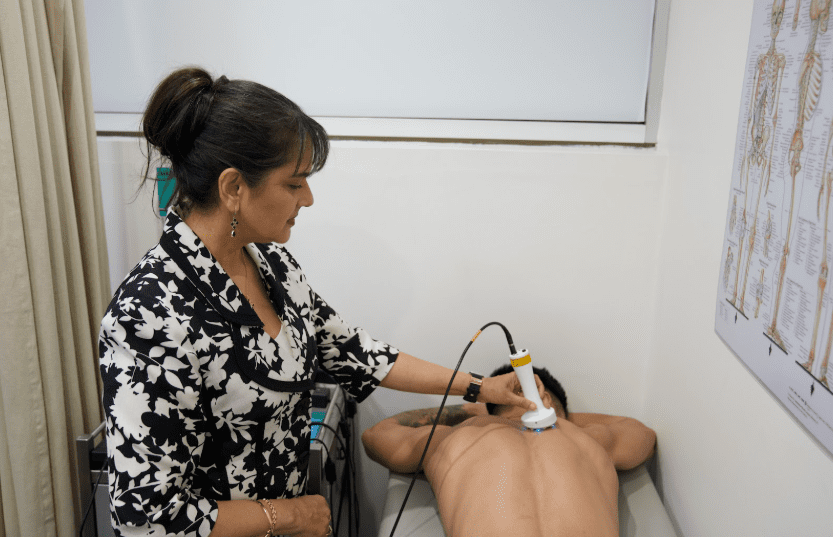
LLLT uses red and near-infrared light to penetrate the skin and stimulate tissue repair at the cellular level. It helps by:
- Reducing inflammation and oxidative stress, which are common in nerve injuries
- Increasing circulation to the affected area, promoting oxygen and nutrient delivery
- Stimulating the production of ATP, boosting cellular repair processes
- Supporting nerve regeneration, helping restore normal function and reduce pain
Unlike conventional treatments, which may mask symptoms, LLLT promotes long-term healing by addressing the root cause of PHN—nerve damage and inflammation—rather than just masking the pain.
Read how LLLT does this here.
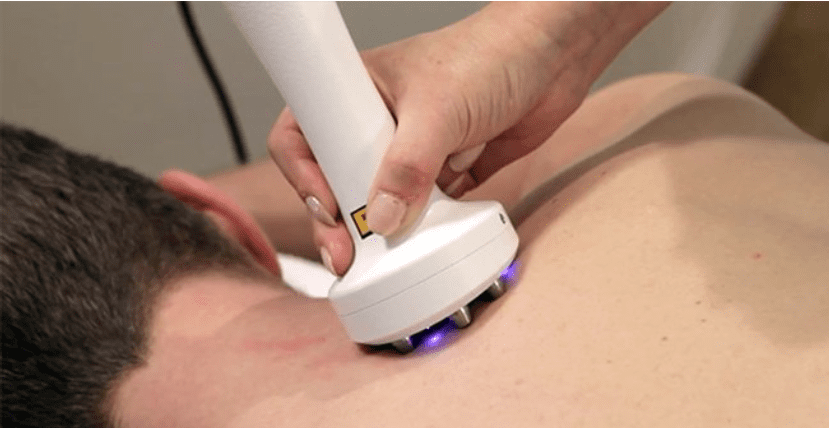
Safe, Effective and Drug Free
LLLT/PBM Therapy is supported by more than 700 randomised controlled trials and over 7,000 studies. It is used worldwide in thousands of clinics, hospitals, and elite sports institutions.
LLLT/PBMT offers numerous benefits:
- Scientifically proven and evidence-based
- Non-invasive, painless and drug-free
- No effect on normal tissues, safe, and non-toxic, with no side-effects
- Clinically proven to eliminate pain, promote natural healing and tissue regeneration, and restore function
- Provides long-term relief, addressing the root cause of musculoskeletal pain
At our GP-led clinic, we combine expert medical assessment with the latest non-invasive therapies. Every patient is seen by Dr Shikha Parmar to ensure accurate diagnosis and management planning. Treatment delivery is performed by highly trained assistants under direct medical supervision.
LLLT for PHN aims to:
- Relieve pain and reduce inflammation
- Promote healing of the affected nerve tissue
- Improve sensitivity and nerve function in the treated area
- Support long-term recovery through rehabilitation
As the treatment progresses, we see a significant reduction in pain and improvement in function, leading to better quality of life and reduced dependency on medication.
Treatment Plan
Our Low Level Laser Therapy (LLLT) program for postherpetic neuralgia is medically supervised by Dr Shikha Parmar and tailored to your specific needs. It is designed to address the root cause of your pain and support long-term healing.
The treatment plan includes:
Up to 12 LLLT sessions, with a review after 6 sessions to assess progress
Individualised advice for managing your condition and modifying activities
A guided rehabilitation and recovery plan to restore function and prevent recurrence
While outcomes vary, we typically expect a 15–20% improvement in pain or function within the first 6 sessions if the treatment is likely to be effective. If this threshold isn’t met – which is uncommon – we will reassess the treatment plan, and treatment is generally not continued. The number of sessions can be adjusted based on progress and discussed in detail with the patient.
If there is a treatment response after the 2 to 3 weeks, we recommend 6 further treatments, along with introducing our protocol of light and gradual graded rehab, to effect a path to resolution of perhaps up to 70 to 90% improvement in best case scenario. Ongoing treatment beyond an anticipated 12-treatment protocol is not required, as your own immune system will continue the healing process once laser therapy is withdrawn.
All treatment decisions are made collaboratively, keeping the patient’s progress, preferences, and medical context in mind.
Ready for Lasting Relief?
If you are struggling with postherpetic neuralgia or shingles neuralgia, we invite you to contact our experienced team at Laser Pain Therapy. Our LLLT treatment offers a safe, effective, and lasting solution to restore your comfort, mobility, and quality of life.
Contact us today to arrange your consultation and take the first step towards recovery. Located in Melbourne
 (03) 8529 2225 Contact Us