Treatment of Notalgia Paresthetica Using LLLT/PBMT
Gentle. Drug-Free. Clinically Proven
Low Level Laser Therapy (LLLT), also known as Photobiomodulation Therapy (PBMT), is a highly effective, non-invasive, and drug-free treatment for notalgia paresthetica in Melbourne, Victoria. Led by Dr Shikha Parmar, a GP with expertise in managing and resolving chronic musculoskeletal pain, this treatment involves the application of red and near-infrared light to promote cellular repair in injured tissues. LLLT is safe, painless, and targets the root cause of the injury, unlike pain medications that simply mask the pain. Supported by scientific research from reputable institutions, including Harvard University and NASA, LLLT is an evidence-based therapy for nerve-related conditions, including notalgia paresthetica.
Key Points
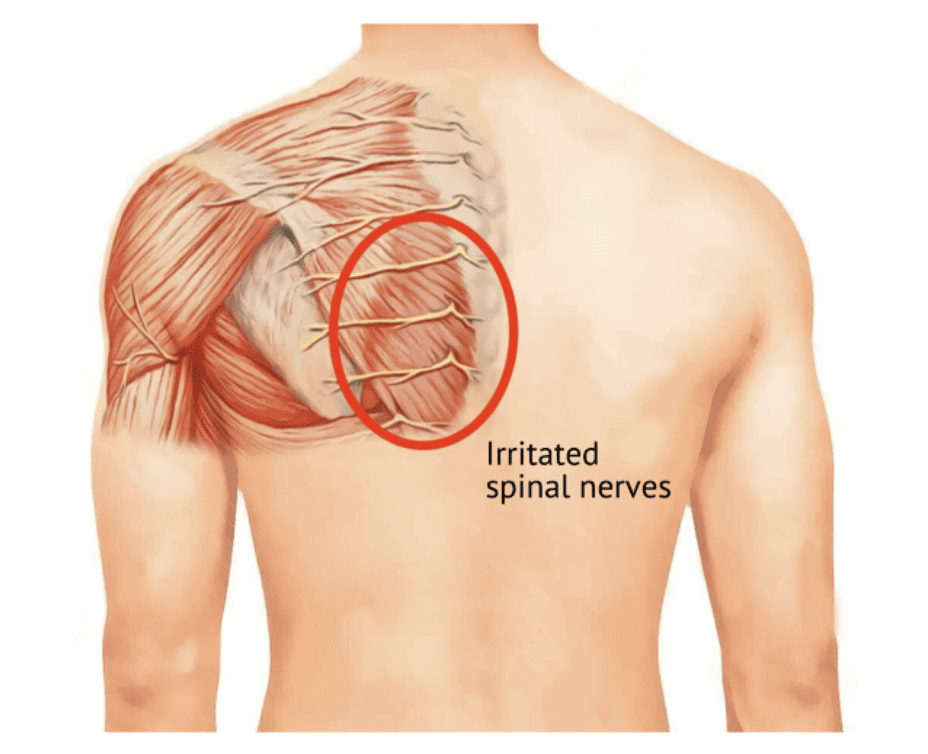
- Notalgia paresthetica (NP) is a condition that causes itching, burning, or a tingling sensation, most commonly in the upper back.
- It results from nerve irritation or damage, often in the area around the shoulder blades (scapulae).
- Common causes include pressure on the nerve from surrounding structures, degenerative disc disease, or other conditions that cause nerve irritation.
- Symptoms include persistent or intermittent itching, burning, or a “pins and needles” sensation, primarily along the upper back, sometimes radiating to the chest or shoulders.
- Conventional treatments for NP, such as antihistamines, steroids, manual therapies, steroid injections and nerve blocks may offer temporary relief but don’t address the underlying nerve irritation or compression.
- LLLT works by promoting cellular repair, reducing inflammation, and supporting nerve regeneration, providing a long-term solution for pain and irritation.
- At Laser Pain Therapy, all LLLT treatments are GP-led by Dr Shikha Parmar and delivered as part of a medically supervised six-week program, including rehabilitation support tailored to each patient’s needs.
- LLLT has been scientifically proven to reduce pain, restore nerve function, and improve outcomes in nerve-related conditions, including notalgia paresthetica.
What is Notalgia Paresthetica?
Notalgia paresthetica (NP) is a sensory nerve disorder that causes persistent, often debilitating itching or a burning sensation, most commonly along the upper back. The pain and discomfort are typically felt in the area around the shoulder blades, although it can occasionally radiate to the chest or shoulders. This condition is believed to be caused by nerve irritation or damage to the sensory nerves in the upper back, often from structures such as the spine or discs that put pressure on the nerves. It is most commonly seen in older adults and may be associated with degenerative conditions such as disc disease.
Causes of Notalgia Paresthetica
Notalgia paresthetica can develop due to several factors, including:
- Degenerative disc disease: Disc degeneration in the thoracic spine can lead to nerve compression or irritation, causing symptoms of NP.
- Spinal stenosis: Narrowing of the spinal canal can lead to pressure on the nerves that cause notalgia paresthetica.
- Posture: Prolonged poor posture may cause pressure on the nerve, leading to nerve irritation in the upper back.
- Trauma or injury: A previous injury or surgery around the shoulder blades may lead to nerve damage or irritation.
- Other conditions: Certain diseases or syndromes can also contribute to the development of NP.
Where LLLT May Help
Low-Level Laser Therapy (LLLT) is an effective, non-invasive treatment for notalgia paresthetica caused by nerve irritation or damage. LLLT promotes cellular repair, reduces inflammation, and stimulates nerve regeneration, providing long-term relief from the symptoms of NP.
However, LLLT may not be effective for notalgia paresthetica caused by more complex conditions, such as structural issues (e.g., severe spinal deformities or extreme nerve compression) where mechanical intervention may be required. In such cases, surgery or other medical procedures may be necessary.
Symptoms of Notalgia Paresthetica
The symptoms of notalgia paresthetica typically include:
- Persistent or intermittent itching, tingling, or burning sensations in the upper back, especially near the shoulder blades
- A feeling of tightness or discomfort in the skin or muscles in the affected area
- Pain that may worsen with pressure or certain movements, such as slouching or reaching
- Sometimes radiating pain or discomfort may be felt in the chest or shoulders
How is Notalgia Paresthetica Diagnosed?
Diagnosis of notalgia paresthetica is based on a thorough clinical evaluation. Dr Shikha Parmar will assess your symptoms, including the onset, duration, and nature of your pain. A physical examination will be conducted to assess the area of discomfort, and specific tests may be performed to identify any underlying nerve irritation or damage.
Imaging techniques, such as MRI, may be used to rule out other causes of nerve compression or irritation, such as spinal abnormalities or disc herniation. X-rays may also be used in some cases, although they are not typically necessary unless other underlying conditions are suspected.
Treatment for Notalgia Paresthetica
Why Choose Low Level Laser Therapy (LLLT)?
Traditional treatments for notalgia paresthetica (NP) primarily focus on symptom management rather than addressing the underlying nerve irritation.
Topical treatments, such as steroid creams, capsaicin creams, and lignocaine patches, can help manage pain and itching but only offer temporary relief and do not address the root cause of the condition.
Antihistamines help manage itching and discomfort, although they may not be very effective for treating the burning or tingling sensations common in NP. Pain relievers such as paracetamol and ibuprofen, along with medications for neuropathic pain such as low dose amitriptyline, gabapentin and pregabalin, are often prescribed to reduce nerve pain, although these medications can come with potential side effects. They also do not alter the underlying cause of the problem.
Physical therapy techniques, including massage, manual therapy, and postural exercises, may provide some temporary relief but fail to target the underlying nerve damage. In more severe cases, spinal surgery may be considered, but this approach carries risks and is typically only used when conservative treatments have not been effective. Additionally, corticosteroid injections or nerve blocks can provide short-term pain relief, but they do not promote long-term healing with symptoms often returning.
Low Level Laser Therapy (LLLT), or Photobiomodulation Therapy (PBMT), offers a non-invasive, drug-free solution that promotes nerve healing, reduces inflammation, and supports long-term recovery. Unlike other treatments, LLLT targets the root cause of NP – nerve irritation – by stimulating tissue repair and improving nerve function.
At Laser Pain Therapy, we use LLLT as the primary treatment modality for notalgia paresthetica, as part of a structured, six-week program under medical supervision. Dr Shikha Parmar ensures that each treatment is tailored to your needs, helping you achieve the best possible outcome.
How LLLT Works
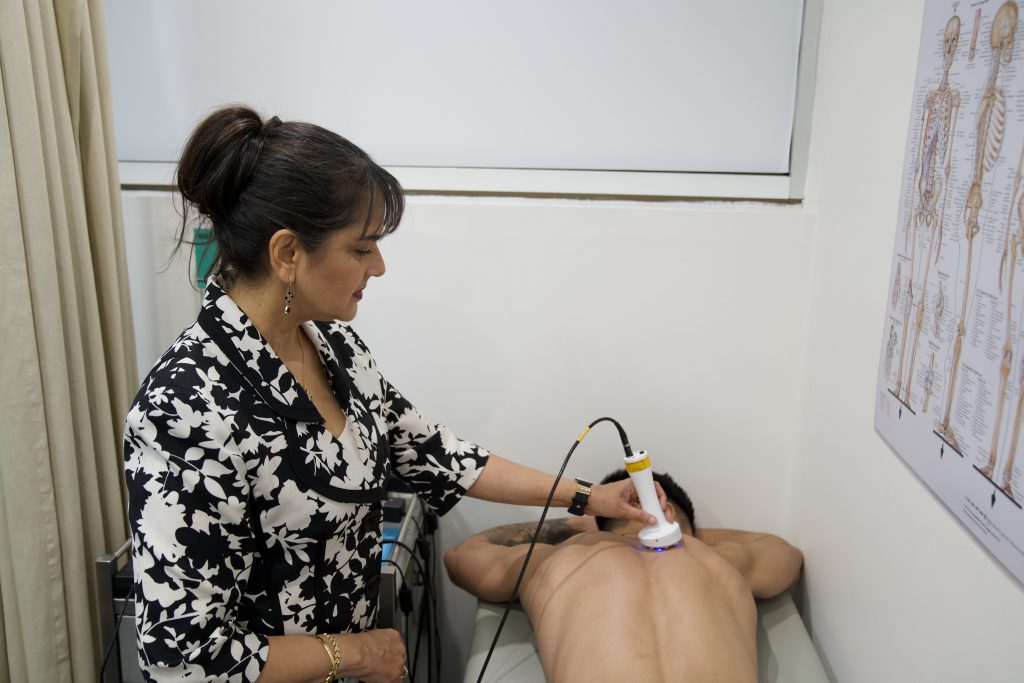
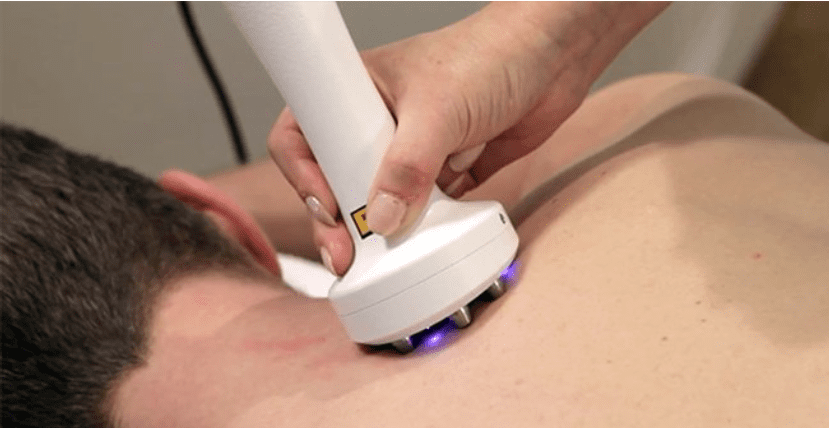
LLLT uses red and near-infrared light to penetrate the skin and stimulate healing at the cellular level. LLLT works by:
- Reducing inflammation and oxidative stress, which are common in nerve injuries
- Improving blood flow and oxygenation to the affected nerve tissues
- Enhancing lymphatic drainage to remove waste products and toxins
- Stimulating ATP (cellular energy) production, which accelerates tissue repair
- Supporting nerve regeneration and restoring normal function
- LLLT delivers these benefits without applying mechanical stress to the affected area, making it ideal for conditions such as NP, where pressure can worsen symptoms.
Read how LLLT does this here.
Safe, Effective, Drug-Free
LLLT is supported by over 700 randomised controlled trials and more than 7,000 studies demonstrating its effectiveness in pain relief and tissue repair. It is:
- Scientifically proven and evidence-based
- Non-invasive and painless
- Drug-free and non-toxic
- Clinically shown to relieve pain and restore function
At our GP-led clinic, all patients are thoroughly assessed by Dr Shikha Parmar to ensure accurate diagnosis and treatment planning. Treatments are delivered by highly trained assistants under medical supervision, ensuring you receive the highest quality care.
What to Expect
LLLT for notalgia paresthetica aims to:
- Relieve pain and reduce inflammation
- Promote healing of the affected nerve tissue
- Improve sensitivity and nerve function in the treated area
- Support long-term recovery through rehabilitation
As the treatment progresses, we see a significant reduction in pain and improvement in function, leading to better quality of life and reduced dependency on medication.
Treatment Plan
Our Low Level Laser Therapy (LLLT) program for notalgia paresthetica is medically supervised by Dr Shikha Parmar and tailored to your specific needs. It is designed to address the root cause of your pain and support long-term healing.
The treatment plan includes:
- Up to 12 LLLT sessions, with a review after 6 sessions to assess progress
- Individualised advice for managing your condition and modifying activities
- A guided rehabilitation and recovery plan to restore function and prevent recurrence
While outcomes vary, we generally expect a 15–20% improvement in pain or function within the first 6 sessions if the treatment is likely to be effective. If this threshold is not met – which is uncommon – we will reassess the treatment plan, and treatment will generally not continue. The number of sessions can be adjusted based on progress and discussed in detail with you.
If a positive treatment response is seen after the first 2 to 3 weeks, we recommend 6 further treatments, along with introducing our protocol of light and gradual graded rehab to help achieve up to 70 to 90% improvement in best-case scenarios.
Ongoing treatment beyond the anticipated 12-treatment protocol is generally not required, as your immune system will continue the healing process once laser therapy is withdrawn.
All treatment decisions are made collaboratively, keeping your progress, preferences, and medical context in mind.
Ready for Lasting Relief?
If you are struggling with notalgia paresthetica, we invite you to contact our experienced team at Laser Pain Therapy. Our LLLT treatment offers a safe, effective, and lasting solution to restore your comfort, mobility, and quality of life.
Contact us today to arrange your consultation and take the first step towards recovery.
📍 Located in Melbourne
📞 (03) 8529 2225 Contact Us