Knee Osteoarthritis Treatment Using LLLT/PBMT
Low Level Laser Therapy (LLLT), also known as Photobiomodulation Therapy (PBMT), uses red and near-infrared light applied over targeted areas. In our clinic it is used as part of a GP-led treatment approach for selected musculoskeletal pain and injury presentations, including selected knee osteoarthritis presentations where pain, synovitis, tendon irritation or soft tissue inflammation are contributing to symptoms.
PBMT/LLLT is non-invasive and generally well tolerated. Suitability and response vary, and treatment recommendations depend on the diagnosis, severity, duration of symptoms and individual clinical factors. PBMT/LLLT has been studied for a range of musculoskeletal pain and injury conditions. See our references page for supporting literature.
Gentle. Drug-Free. Evidence-Informed
Key Points
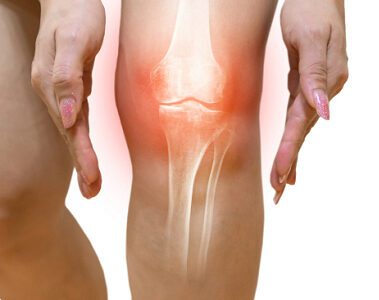
- Knee arthritis, or osteoarthritis, is a degenerative joint condition causing pain, stiffness and swelling due to cartilage wear and associated joint changes.
- Symptoms may include aching or sharp pain, stiffness, swelling and pain aggravated by walking, running or stairs.
- Contributors include cartilage degeneration, meniscal degeneration, previous knee injuries, age-related change and increased joint load.
- Pain and inflammation may limit meaningful strengthening and rehabilitation, which are important for long-term knee function.
- Low Level Laser Therapy (LLLT), or Photobiomodulation Therapy (PBMT), is considered for selected knee osteoarthritis presentations where synovitis, soft tissue irritation, tendon or ligament pain, or local inflammatory processes are contributing to symptoms.
- LLLT/PBMT does not regenerate cartilage or replace knee replacement in advanced “bone-on-bone” disease.
- Treatment is GP-led by Dr Shikha Parmar and delivered under medical supervision as part of a structured six-week program.
- LLLT can be considered for people with persistent knee osteoarthritis pain who have not improved with usual conservative care, after appropriate medical assessment.
What is Knee Arthritis?
Knee arthritis, also known as osteoarthritis (OA), is a degenerative joint condition affecting the cartilage and surrounding structures of the knee. As cartilage wears, the joint may become painful, swollen and stiff.
OA is common in older adults but can also occur earlier after previous injury, repeated high load or altered joint mechanics. Pain often worsens with weight-bearing activities such as walking, running or climbing stairs.
Common Causes of Knee Arthritis
Several factors contribute to knee arthritis, including:
- Cartilage degeneration – breakdown of the protective cartilage that cushions the knee joint
- Meniscal tears – damage to the cartilage that helps absorb shock between the bones in the knee
- Previous knee injuries – such as ligament tears or fractures, which can increase the risk of developing OA
- Overuse or repetitive stress – activities that involve prolonged or excessive stress on the knee joint
- Age-related wear and tear – degeneration of cartilage with age
- Obesity – additional weight places extra stress on the knee joint
Symptoms
Knee arthritis symptoms can vary depending on the severity of the condition:
- Aching or sharp pain in or around the knee, especially with movement or weight-bearing activities
- Tenderness or swelling at the front, side, or back of the knee
- Stiffness or difficulty bending or straightening the knee
- Pain when running, walking, or climbing stairs
- Weakness or instability in the knee joint
How is Knee Arthritis Diagnosed?
Diagnosis involves a detailed history, physical examination and review of any available imaging. Dr Shikha Parmar will assess symptom pattern, functional impact, tenderness, swelling, movement and strength.
X-rays are commonly used to assess joint-space narrowing and osteoarthritis severity. MRI or ultrasound may be used where meniscal pathology, synovitis, tendon irritation or other soft tissue contributors are suspected.
Important Note on Autoimmune Arthritis
LLLT is not suitable for the management of autoimmune-related arthritis conditions such as rheumatoid arthritis, psoriatic arthritis, and ankylosing spondylitis. These conditions involve an immune system response that causes inflammation throughout the body, and LLLT does not address the underlying immune dysfunction. While LLLT is effective for musculoskeletal pain and inflammation caused by mechanical or degenerative issues, autoimmune arthritis requires a specific treatment approach targeting the immune system. It is important to seek guidance from a specialist for the management of these conditions.
Knee Osteoarthritis – Treatment Overview
Low Level Laser Therapy (LLLT), also known as Photobiomodulation Therapy (PBMT), is a non-invasive treatment approach used as part of a structured program for selected knee osteoarthritis presentations. It may help modulate pain and local inflammatory processes associated with synovitis, tendon and ligament irritation, bursitis and soft tissue overload around the joint.
Why Choose Low Level Laser Therapy (LLLT)?
Many patients present after limited relief from medication, injections, massage, stretching or exercise programs. These approaches may ease symptoms temporarily, but are not suitable for every stage of recovery, especially if joint loading aggravates pain or swelling.
Why ice, anti-inflammatories, cortisone, and PRP may not support long-term recovery. Read more here.
How LLLT Supports Healing
LLLT uses red and near-infrared light and may support:
- Helping modulate inflammation and oxidative stress
- Local circulation and oxygenation
- Lymphatic drainage
- Cellular energy production (ATP)
- Soft tissue and joint-related recovery processes where irritation is present
- Assisting pain reduction without mechanical loading or stressing the knee joint
LLLT for Knee Osteoarthritis Treatment
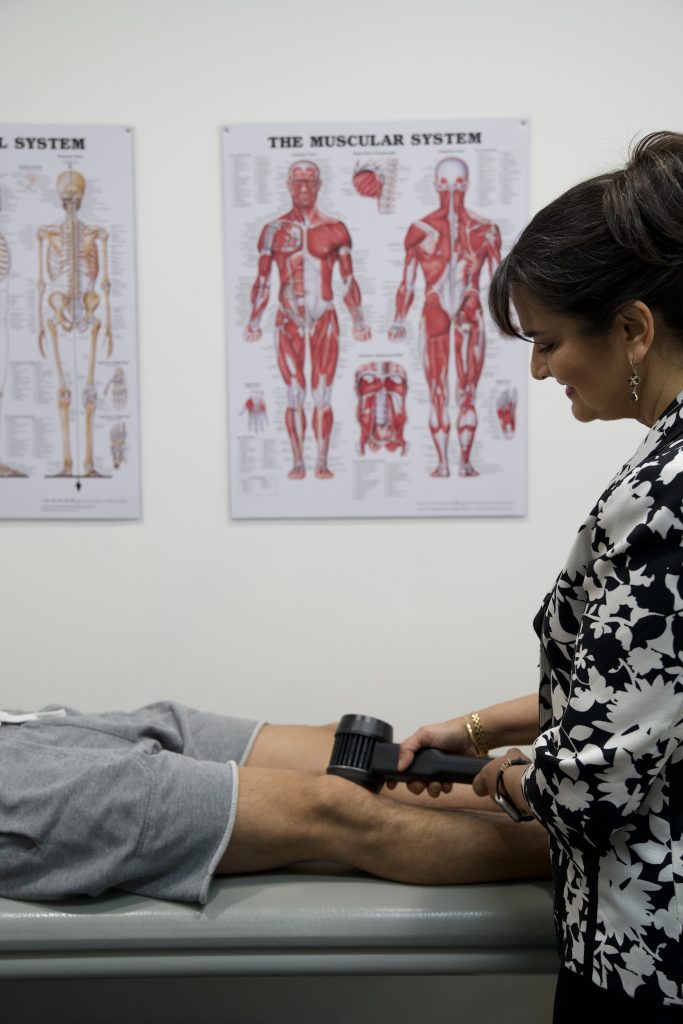
For knee osteoarthritis, particularly mild to moderate presentations, LLLT/PBMT may help reduce pain associated with synovitis, bursitis, tendon and ligament irritation and soft tissue inflammation related to cartilage wear and meniscal degeneration.
By reducing pain and inflammation in selected cases, it may support rehabilitation and strengthening. It does not regenerate cartilage, correct advanced joint degeneration or replace knee replacement where this has been recommended.
See this article Knee Surgery for Osteoarthritis.
LLLT for Persistent Pain Post Knee Arthritis Surgery
LLLT/PBMT can be considered for selected post-surgical soft tissue pain or swelling after knee replacement or arthroscopy, following appropriate medical review and, where relevant, surgical clearance.
Non-Invasive and Supported by Research
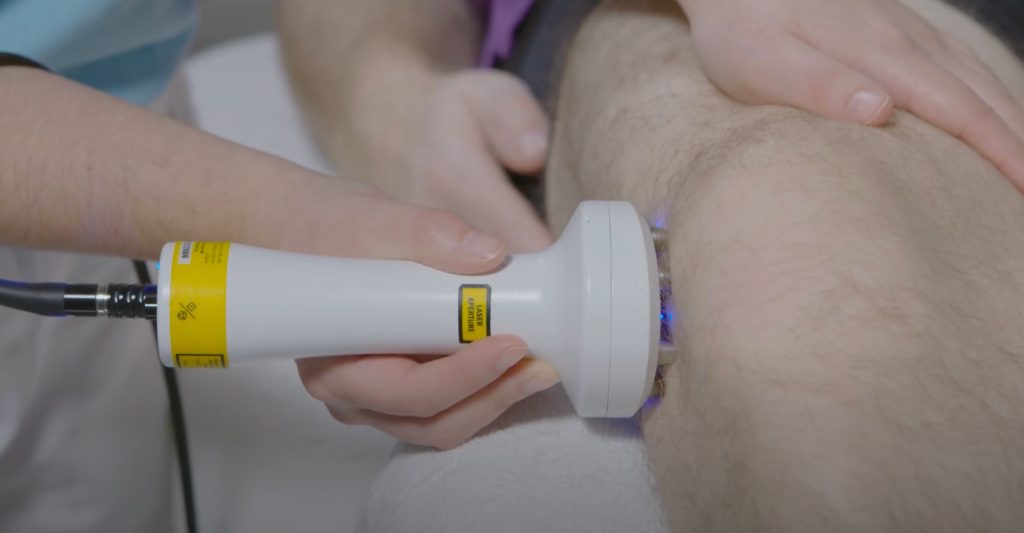
PBMT/LLLT is non-invasive and generally well tolerated. It has been studied in a range of musculoskeletal pain and injury conditions. Individual responses vary, and outcomes depend on the condition being treated and the stage of recovery. Read more here.
See how LLLT may support the cellular environment involved in tissue recovery here.
Our Treatment Program
All patients are assessed by Dr Shikha Parmar (GP). Treatment is delivered within a structured six-week program, including:
- Up to 12 LLLT sessions
- Early progress review after the first 6 treatments
- Individualised advice and activity modification
- Guided rehabilitation to support longer-term function
Progress is reviewed during the program. Many patients notice appreciable improvement after the first 6 treatments. If there has not been sufficient improvement by this review point, further treatment may not be recommended.
View the full treatment protocol and expected outcomes here.
Ready to Discuss Your Knee Arthritis Treatment Options?
If you are struggling with persistent knee osteoarthritis pain, we invite you to contact our team at Laser Pain Therapy to discuss the suitability of LLLT for your presentation. Treatment suitability and outcomes vary, and assessment is required before recommendations can be made.
Contact us today to arrange your consultation.
📍 Located in Melbourne
📞 (03) 8529 2225 Contact Us