Groin Pain Treatment Using LLLT/PBMT
Low Level Laser Therapy (LLLT), also known as Photobiomodulation Therapy (PBMT), is a highly effective, drug-free, non-invasive treatment for many soft tissue causes of groin pain in Melbourne, Victoria. It is painless, and has no effect on normal tissues. Backed by research from respected institutions such as Harvard University and NASA, LLLT offers a safe, painless therapy that targets the underlying tissue injury, unlike medications that only mask symptoms. LLLT is an evidence-based therapy for soft tissue injuries including those of the groin.
Gentle. Drug-Free. Clinically Proven
Key Points
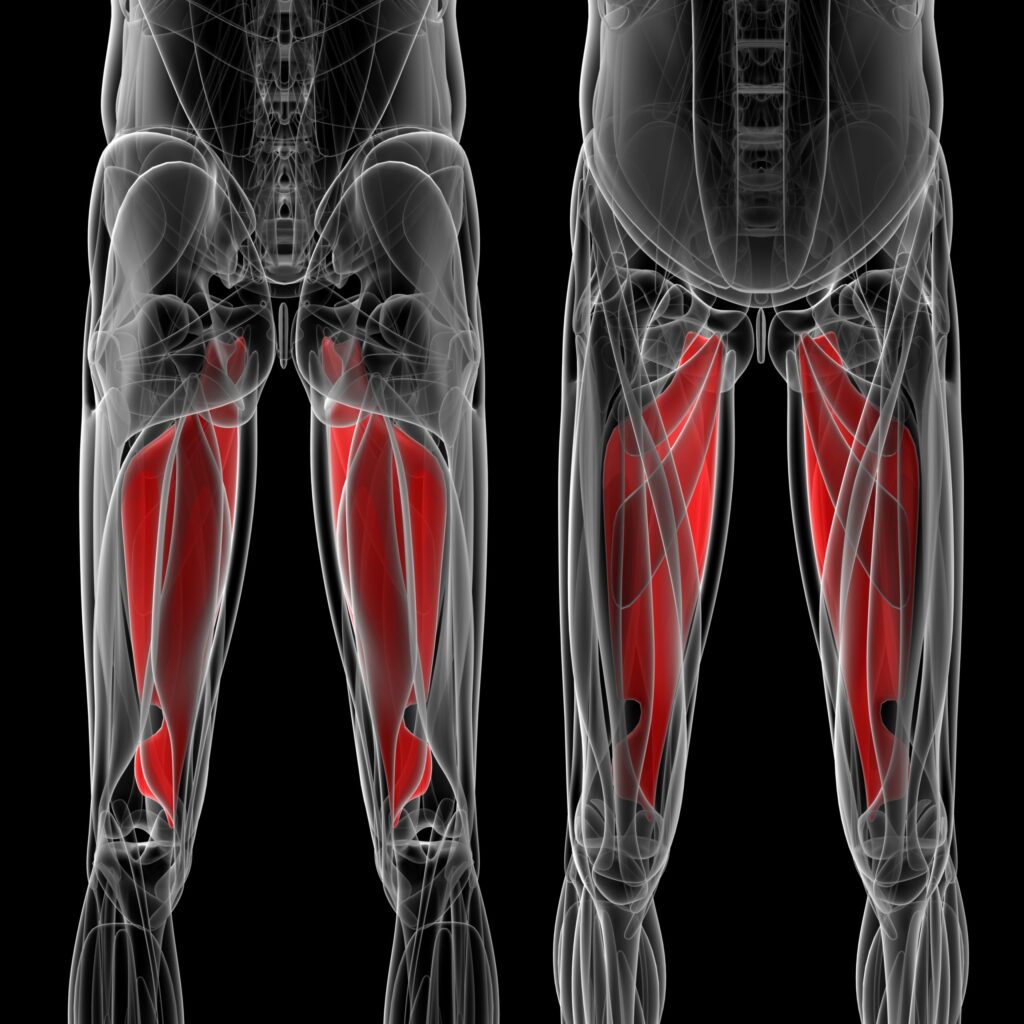
- Groin pain refers to discomfort where the thigh meets the lower abdomen, caused by musculoskeletal issues such as muscle strain, tendon injury, or hip joint problems.
- Symptoms include sharp or aching pain with movement, tenderness in the inner thigh or pubic area, pain with running or twisting, and stiffness after sitting.
- Common causes include groin muscle strain, iliopsoas strain, osteitis pubis, hip labral tears, femoro-acetabular impingement (FAI), hip bursitis, and referred pain from the sacroiliac joint or lumbar spine.
- Standard treatments (rest, anti-inflammatories, stretching, cortisone, PRP) often provide only temporary relief and may not address underlying tendon healing or inflammation.
- Low Level Laser Therapy (LLLT), or Photobiomodulation Therapy (PBMT), is a scientifically validated, painless, drug-free treatment that reduces inflammation and stimulates cellular repair
- At Laser Pain Therapy, all LLLT treatment is GP-led by Dr Shikha Parmar and provided through a structured, six-week, medically supervised program with tailored rehabilitation support.
- Backed by over 700 randomised trials, LLLT promotes tissue healing, restores function, reduces pain, and provides superior long-term outcomes compared to conventional treatments.
What is Groin Pain?
Groin pain refers to discomfort or aching in the crease where your thigh meets your lower abdomen. It can stem from multiple musculoskeletal sources, including muscle strain, tendon injury, ligament stress, or chronic overload of the pubic symphysis area. In athletes, groin injuries are common due to the repetitive demands placed on the hip, pelvis, and inner thigh structures.
Common Musculoskeletal Types of Groin Pain
- Groin (adductor) muscle strain or tendonitis
- Iliopsoas (hip flexor) strain or tendinopathy
- Osteitis pubis (inflammation of the pubic symphysis)
- Hip labral tear – damage to the cartilage rim around the hip socket, often presenting with deep groin pain, clicking, or locking
- Femoroacetabular impingement (FAI) – abnormal bone-to-socket contact causing stiffness and groin pain
- Hip bursitis – inflammation of the bursae around the hip joint. Read more here
- Piriformis syndrome – irritation of the sciatic nerve from the piriformis muscle. Read more here
- Referred pain from sacroiliac joint dysfunction or lumbar spine issues
Causes of Groin Pain
Groin pain often develops from:
- Overuse injuries, especially in athletes (running, soccer, hockey, AFL)
- Sudden increases in activity or intensity (“too much, too soon”)
- Muscle imbalances or poor pelvic stability
- Previous hip or pelvic injuries
- Biomechanical factors, such as altered gait or leg length differences
Important Considerations About LLLT Suitability
While LLLT is excellent for soft tissue injuries, it is not appropriate for inguinal or femoral hernias – these require surgical assessment.
It is also not suitable for hip joint cartilage or bony disorders, such as:
- Hip labral tears – cartilage damage around the hip socket
- The structural abnormality of Femoroacetabular impingement (FAI) – abnormal bone contact in the hip joint
- Hip dysplasia – underdeveloped hip sockets
- Moderate to severe hip osteoarthritis (OA) – advanced joint degeneration
If you have had any hip imaging (X-ray, MRI, ultrasound), we encourage you to share your reports with us so we can determine whether LLLT is right for you.
But do note, mild hip osteoarthritis may still benefit from LLLT, as the therapy can reduce soft tissue inflammation, helping restore strength and function.
In fact, we have helped many patients with moderate-to-severe OA delay surgery or manage pain while awaiting surgical treatment, particularly when labral tear surgery is no longer routinely beneficial in middle-aged or older adults.
Symptoms of Groin Pain
- Aching or sharp pain in the groin, especially with movement
- Discomfort when lifting the knee or twisting the hip
- Pain when running, kicking, or changing direction
- Tenderness over the pubic bone or inner thigh tendons
- Stiffness after prolonged sitting or resting
- Weakness or reduced flexibility in the hip and groin area
How is Groin Pain Diagnosed?
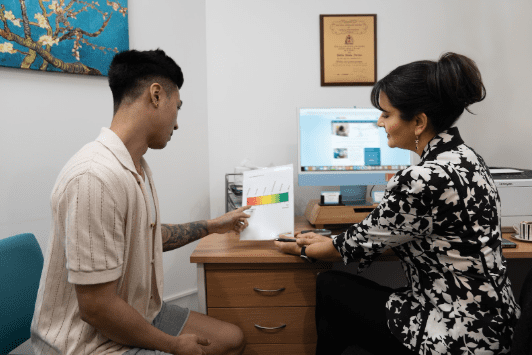
Diagnosis involves a thorough assessment by Dr Shikha Parmar, including:
- A detailed history of symptoms, injury events, and activity patterns and impact on day-to-day functioning.
- Physical examination to identify localised tenderness, weakness, and functional deficits
- Review of any available imaging (X-ray, ultrasound, MRI) to assess for underlying hip joint pathology, tendon damage, or bony abnormalities
Treatment of Groin Pain
Low Level Laser Therapy (LLLT), also known as Photobiomodulation Therapy (PBMT), is a gentle, evidence-based treatment that targets the underlying cause of groin pain: inflammation, tendon strain, and soft tissue micro-injury. It promotes healing without mechanical stress, allowing injured tissues to recover safely before strengthening begins.
Why Choose Low Level Laser Therapy (LLLT)?
Many patients have tried rest, ice, anti-inflammatory medication, injections, or exercises with limited or temporary relief. These approaches often mask pain without resolving underlying inflammation, and introducing strengthening too early can aggravate injured tendons. LLLT is particularly effective where inflammation persists and mechanical loading must be carefully controlled during recovery.
Why ice, anti-inflammatories, cortisone, and PRP may not support long-term recovery. Read more here.
How LLLT Supports Healing
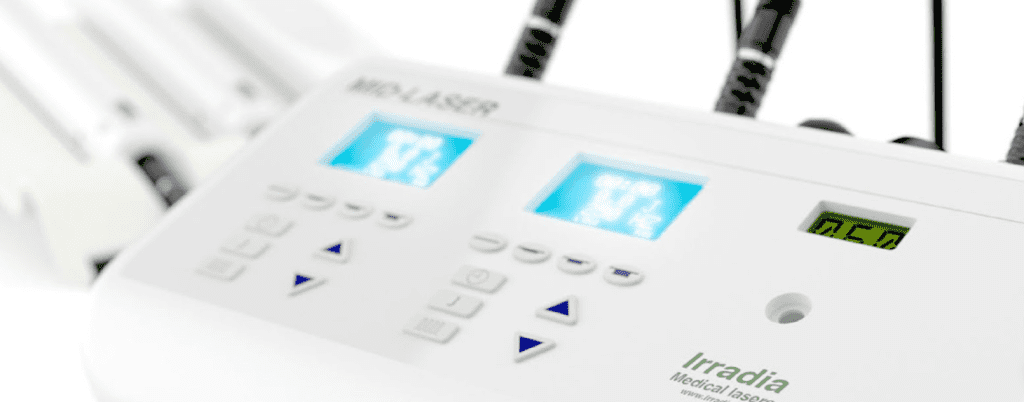
LLLT uses red and near-infrared light to restore balance to the inflammatory process and stimulate soft tissue and tendon repair by:
- Improving blood flow and oxygenation
- Reducing inflammation and oxidative stress
- Enhancing lymphatic drainage
- Increasing cellular energy (ATP) for tissue repair
- Supporting tendon and muscle regeneration
All without loading or stressing the injured tissues.
Proven, Safe, and Effective
It is non-invasive, painless, and supported by extensive clinical research. Read more here.
See how LLLT helps restore the cellular environment needed for repair here.
Our Treatment Program
All patients are assessed by Dr Shikha Parmar (GP). Treatment is delivered within a structured six-week program, including:
- Up to 12 LLLT sessions
- Review after 6 sessions
- Individualised advice and activity modification
- Guided rehabilitation for durable recovery
Patients who respond typically show 15–20% improvement within the first 6 sessions, with best-case improvement of 70–90% over the full program.
View the full treatment protocol and expected outcomes here.
Ready for Lasting Relief?
If you’re struggling with groin pain or related soft tissue injuries, we invite you to contact our experienced team at Laser Pain Therapy. Our treatment approach using LLLT offers a safe, effective, and lasting solution to restore your comfort, mobility, and quality of life.
Contact us today to arrange your consultation and take the first step towards recovery.
📍 Located in Melbourne
📞 (03) 8529 2225 Contact Us