Gluteal Tendinopathy Treatment Using LLLT/PBMT
Low Level Laser Therapy (LLLT) also known as Photobiomodulation Therapy (PBMt) is the application of red and near infrared light over injuries to stimulate cellular repair. LLLT is a highly effective, completely safe treatment in Melbourne, Victoria. It is painless, and has no effect on normal tissues. LLLT treats the underlying cause of the injury unlike pain medication which just masks the pain. It is a treatment modality supported by research from reputable institutions including Harvard University and NASA. LLLT is an evidence-based therapy for soft tissue injuries involving the gluteal muscles and tendons, such as gluteal tendinopathy.
Gentle. Drug-Free. Clinically Proven

Key Points
- Gluteal tendinopathy (hip tendonitis) is a common overuse injury affecting the gluteus medius, minimus, and surrounding tendons, often causing lateral hip pain.
- It results from repeated strain, micro-tears, or degeneration of the hip tendons and may be accompanied by hip bursitis or irritation of deeper muscles such as the piriformis.
- Common causes include overtraining, prolonged standing or walking, biomechanical issues, or sudden increases in activity, but it can affect anyone—not just athletes.
- Typical symptoms include outer hip pain, stiffness, pain when lying on the affected side, tenderness over the greater trochanter, and pain that radiates down the thigh.
- Standard treatments (rest, anti-inflammatories, stretching, cortisone, PRP) often provide only temporary relief and may not address underlying tendon healing or inflammation.
- Low Level Laser Therapy (LLLT), or Photobiomodulation Therapy (PBMT), is a scientifically validated, painless, drug-free treatment that reduces inflammation and stimulates cellular repair.
- At Laser Pain Therapy, all LLLT treatment is GP-led by Dr Shikha Parmar and provided through a structured, six-week, medically supervised program with tailored rehabilitation support.
- Backed by over 700 randomised trials, LLLT promotes tissue healing, restores function, reduces pain, and provides superior long-term outcomes compared to conventional treatments.
What Is Gluteal Tendinopathy?
Gluteal tendinopathy, also referred to as hip tendonitis, is a common cause of lateral hip pain or pain in the muscles and tendons of the buttock. It involves degeneration and inflammation of the gluteal tendons – most commonly the gluteus medius and minimus tendons – which attach the gluteal muscles to the outside of the hip (greater trochanter). This condition may also coexist with inflammation of the nearby bursae termed hip bursitis or trochanteric bursitis.
Gluteal tendinopathy results is typically an overuse injury where gluteal tendons degenerate or sustain damage and become inflamed. It results from repeated loading or strain on the tendons, leading to micro-tears, pain, and impaired function over time.
It can involve one or more of the gluteal tendons including the gluteus maximus, medius and minimus, and the deeper muscles including the piriformis, obturator, gemellus and quadratus femoris. The piriformis muscle commonly gets strained. Read more on our dedicated Piriformis Syndrome page here.
Causes of Gluteal Tendinopathy
Several factors may contribute to the development of gluteal tendinopathy:
- Overtraining or a sudden increase in activity levels – “too much, too soon”
- Jogging and jumping
- Prolonged walking or standing, especially on hard surfaces
- Transitioning to uneven or harder surfaces e.g., from grass to pavement
- Wearing unsupportive shoes or high heels for long periods
- Repetitive movements such as hill walking or running
- Underlying biomechanical issues or altered gait due to other conditions
Although athletes are commonly affected, the condition can affect anyone whose daily activities place stress on the hip region.
Most tendon injuries are the result of gradual wear and tear to the tendon from overuse or ageing, however a gluteal tendon injury can also happen suddenly.
Symptoms
Common symptoms include:
- Pain and/or tightness and tenderness on the outer side of the hip
- Discomfort during activities such as walking, climbing stairs, or standing after prolonged sitting
- Morning stiffness or stiffness after periods of rest or at the onset of exertion
- A burning or aching sensation during or after activity
- Pain when lying on the affected side, often disrupting sleep
- Weakness or reduced flexibility in the hip area
- Pain can radiate down the side of the thigh over the ischiotibial band (ITB) often referred to as ITB Syndrome. Read more on our dedicated ITB Syndrome page here.
How Is Gluteal Tendinopathy Diagnosed?
Diagnosis is based on a thorough clinical evaluation. A detailed history regarding pain onset, activity level, and functional impact is obtained, followed by physical examination focusing on localised tenderness and movement patterns.
Ultrasound or MRI may be used to confirm tendon and any related bursal damage (hip bursitis), or to exclude other causes of hip pain. X-rays look for associated hip joint pathology such as osteoarthritis, hip dysplasia, cartilage damage etc which may be contributing to the gluteal pain.
Gluteal Tendinopathy – Treatment Overview
Low Level Laser Therapy (LLLT), also known as Photobiomodulation Therapy (PBMT), is a gentle, evidence-based treatment that targets the underlying cause of gluteal tendinopathy: inflammation, micro-tears, and tendon injury. It promotes healing without mechanical stress, allowing damaged tendons to recover safely before strengthening.
Why Choose Low Level Laser Therapy (LLLT)?
Many patients have tried rest, ice, pain medication, cortisone, or strengthening exercises with limited or temporary relief. These approaches often mask pain without resolving underlying inflammation, and early exercise on inflamed tendons can worsen injury.
Why ice, anti-inflammatories, cortisone, and PRP may not support long-term recovery. Read more here.
How LLLT Supports Healing
LLLT uses red and infrared light to restore balance to the inflammatory process and stimulate tendon and soft tissue repair by:
- Improving blood flow and oxygen delivery
- Reducing inflammation and oxidative stress
- Enhancing lymphatic drainage
- Increasing cellular energy (ATP) for tissue repair
- Supporting tendon regeneration and modulating pain
All without loading or stressing the injured tendon.
Proven, Safe, and Effective
It is non-invasive, painless, and supported by extensive clinical research. Read more here.
See how LLLT helps restore the cellular environment needed for repair here.
Our Treatment Program
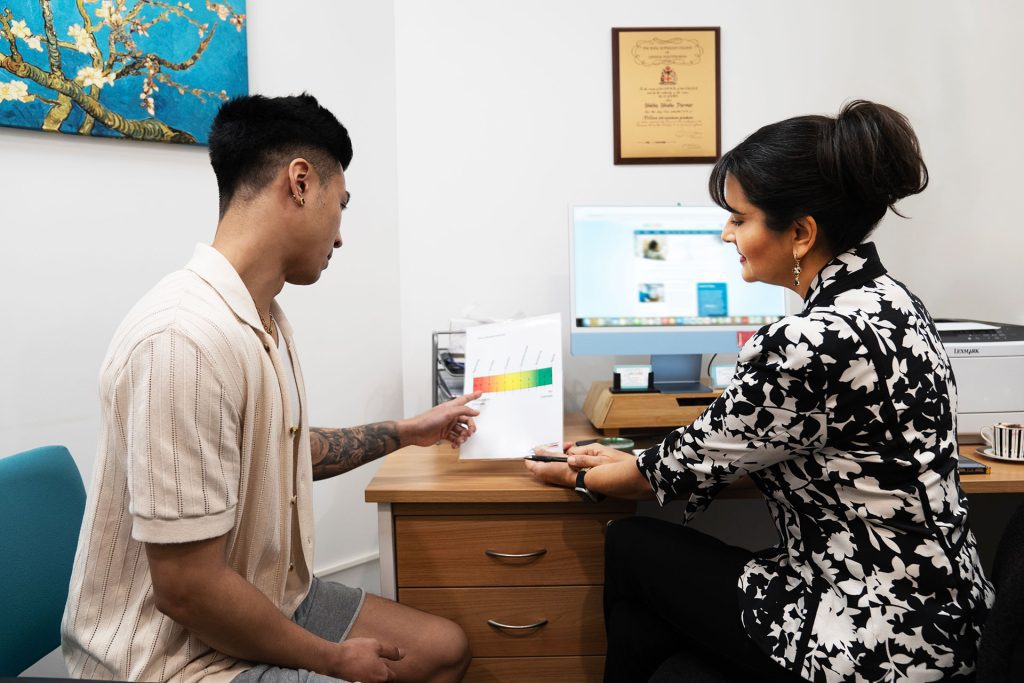
All patients are assessed by Dr Shikha Parmar (GP). Treatment is delivered within a structured six-week program, including:
- Up to 12 LLLT sessions
- Review after 6 sessions
- Individualised advice and activity modification
- Guided rehabilitation for durable recovery
Patients who respond typically show 15–20% improvement within the first 6 sessions, with best-case improvement of 70–90% over the full program.
View the full treatment protocol and expected outcomes here.
Ready for Lasting Relief?
If you’re experiencing persistent outer hip pain or suspect gluteal tendinopathy, we invite you to contact our experienced team at Laser Pain Therapy. Our treatment approach using LLLT offers a safe, effective, and lasting solution to restore your comfort, mobility, and quality of life.
Contact us today to arrange your consultation and take the first step towards recovery.
📍 Located in Melbourne
📞 (03) 8529 2225 Contact Us