CRPS Treatment (Complex Regional Pain Syndrome) Using LLLT/PBMT
Low Level Laser Therapy (LLLT), also known as Photobiomodulation Therapy (PBMT), uses red and near-infrared light applied over targeted areas. In our clinic it is used as part of a GP-led treatment approach for selected presentations, including selected Complex Regional Pain Syndrome (CRPS) presentations after appropriate medical assessment.
PBMT/LLLT is non-invasive and generally well tolerated. Suitability and response vary, and treatment recommendations depend on the diagnosis, severity, duration of symptoms and individual clinical factors. PBMT/LLLT has been studied for a range of musculoskeletal pain and injury conditions, including some pain and nerve-related presentations. See our references page for supporting literature.
Gentle. Drug-Free. Evidence Informed
Key Points
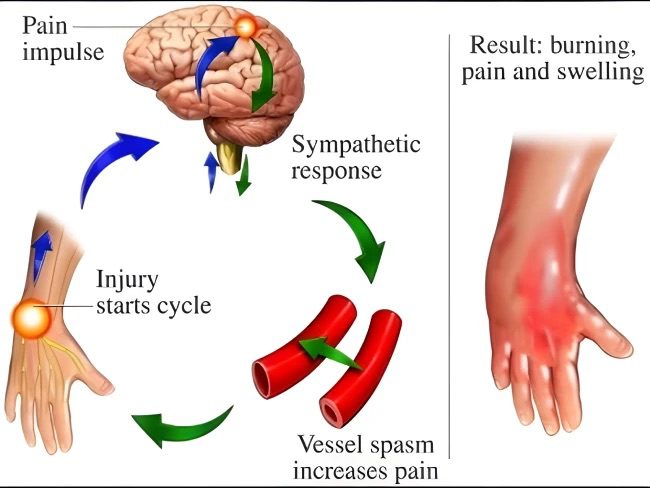
- Complex Regional Pain Syndrome (CRPS) is a pain and sensitivity condition that usually affects one limb after an injury, trauma, surgery or immobilisation.
- Symptoms may include persistent pain, swelling, colour or temperature change, sweating change, sensitivity to touch and reduced mobility of the affected limb.
- CRPS is thought to involve abnormal pain signalling, autonomic nervous system changes, local inflammatory processes and altered blood flow in the affected region.
- Standard treatments may include pain medicines, nerve pain medicines, desensitisation, graded movement, physiotherapy, occupational therapy, nerve blocks or specialist pain management. These may help some people but are not suitable or effective for everyone.
- LLLT/PBMT is considered for selected CRPS presentations where local inflammatory processes, nerve sensitivity, swelling or soft tissue irritation are contributing to symptoms.
- LLLT/PBMT does not replace multidisciplinary pain management, specialist review or urgent medical assessment where symptoms are severe, progressive or diagnostically uncertain.
- Treatment is applied without compressing, loading or aggressively mobilising the hypersensitive limb.
- Treatment is GP-led by Dr Shikha Parmar and delivered as part of a structured six-week program with individualised advice and review.
What is Complex Regional Pain Syndrome (CRPS)?
Complex Regional Pain Syndrome (CRPS) typically develops after an injury or trauma to a limb and most often affects an arm, leg, hand or foot. It is characterised by persistent pain that is disproportionate to the initial injury and may be accompanied by sensitivity, swelling, colour or temperature change and reduced function.
CRPS is thought to involve abnormal responses in the nervous system, including small sensory and autonomic nerve fibre dysfunction, altered pain signalling, local inflammation and changes in blood vessel control. Immobilisation, stress, infection or delayed mobilisation can contribute to progression in some people.
CRPS can be complex and may require coordinated management with a GP, pain specialist, physiotherapist, occupational therapist or other clinicians. Suitability for LLLT/PBMT depends on the clinical presentation and the stage of the condition.
Causes of Complex Regional Pain Syndrome (CRPS)
- Nerve trauma or irritation involving sensory or autonomic nerve fibres
- Fractures, sprains, soft tissue injuries or cuts
- Surgical procedures, particularly where nerves or soft tissues have been affected
- Infections or inflammatory episodes in the affected limb
- Immobilisation or prolonged protective disuse after injury
Common Symptoms
- Persistent burning, throbbing or deep pain that is disproportionate to the original injury
- Sensitivity to light touch, pressure, heat or cold
- Swelling or inflammation in the affected limb
- Skin colour or temperature changes, such as redness, purple discolouration, warmth or coolness
- Reduced movement, stiffness, weakness or difficulty using the limb
- Changes in sweating, skin texture, hair or nail growth in some cases
- Muscle weakness or wasting where movement has been limited for prolonged periods
How is Complex Regional Pain Syndrome Diagnosed?
Diagnosis is based on a comprehensive clinical evaluation. Dr Shikha Parmar will assess the history of injury or trauma, pain pattern, sensitivity, swelling, skin changes, temperature change, movement and function.
Diagnosis is largely clinical and may involve recognised criteria such as the Budapest Criteria. Imaging such as X-ray, MRI or bone scan may be used to rule out other causes of pain or assess structural injury, but imaging does not replace clinical assessment.
Important Clinical Considerations
Prompt medical review is important if pain is escalating rapidly, if there is significant colour or temperature change, new neurological deficit, infection concern, or uncertainty about the diagnosis.
A key aim is to protect the affected limb from unnecessary provocation while still supporting gradual function. LLLT/PBMT, where suitable, is used as one part of care and does not replace appropriate pain management, medication review, desensitisation strategies or specialist input when these are required.
CRPS can be variable and may involve pain amplification, autonomic change, altered blood flow, swelling and marked sensitivity to touch or movement. Treatment planning needs to be cautious because aggressive manual therapy, forced loading or excessive exercise may aggravate symptoms in some people.
Complex Regional Pain Syndrome (CRPS) – Treatment Overview
Low Level Laser Therapy (LLLT), also known as Photobiomodulation Therapy (PBMT), is considered as part of a structured program for selected CRPS presentations. It may help modulate local inflammatory processes, oxidative stress, nerve sensitivity, swelling and soft tissue irritation without applying mechanical stress to a hypersensitive limb.
Why Consider Low Level Laser Therapy (LLLT)?
Many patients present after limited relief from pain medication, anti-inflammatory medication, nerve pain medicines, nerve blocks or physiotherapy alone. These standard treatments may ease symptoms for some people, but are not suitable or effective for everyone, and aggressive loading or manual therapy may aggravate hypersensitivity in some CRPS presentations.
Why medications and conventional measures may not support long-term recovery. Read more here.
How LLLT Supports Healing
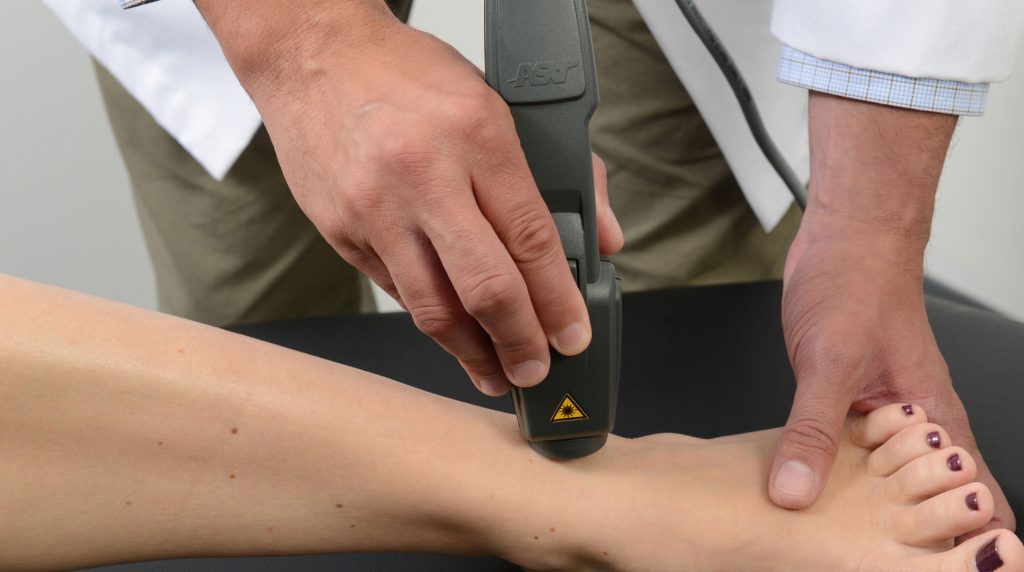
LLLT uses red and near-infrared light and may support:
- Helping modulate inflammation and oxidative stress
- Local circulation and oxygen delivery
- Lymphatic drainage where swelling contributes to symptoms
- Cellular energy production (ATP)
- Nerve and soft tissue recovery processes where irritation is present
- Assisting pain reduction without compressing, loading or aggravating the affected limb

Non-Invasive and Supported by Research
PBMT/LLLT is non-invasive and generally well tolerated. It has been studied in a range of musculoskeletal pain and injury conditions, including some nerve-related presentations. Individual responses vary, and outcomes depend on the condition being treated and the stage of recovery. Read more here.
See how LLLT may support the cellular environment involved in tissue recovery here.
Our Treatment Program
All patients are assessed by Dr Shikha Parmar (GP). Treatment is delivered within a structured six-week program, including:
- Up to 12 LLLT sessions
- Early progress review after the first 6 treatments
- Individualised advice and activity modification
- Guided rehabilitation to support longer-term function
Progress is reviewed during the program. Many patients notice appreciable improvement after the first 6 treatments. If there has not been sufficient improvement by this review point, further treatment may not be recommended.
View the full treatment protocol and expected outcomes here.
Ready to Discuss Your CRPS Treatment Options?
If you are struggling with persistent CRPS symptoms or localised limb sensitivity after injury, we invite you to contact our team at Laser Pain Therapy to discuss the suitability of LLLT for your presentation. Treatment suitability and outcomes vary, and assessment is required before recommendations can be made.
Contact us today to arrange your consultation.
📍 Located in Melbourne
📞 (03) 8529 2225 Contact Us