CRPS Treatment (Complex Regional Pain Syndrome) Using LLLT/PBMT
Low-Level Laser Therapy (LLLT), also known as Photobiomodulation Therapy (PBMT), is a highly effective, non-invasive, and drug-free treatment for Complex Regional Pain Syndrome (CRPS) in Melbourne, Victoria. Led by Dr Shikha Parmar, a GP with expertise in managing and resolving chronic musculoskeletal pain, this treatment involves the application of red and near-infrared light to promote cellular repair in injured tissues. LLLT is completely safe, painless, and targets the root cause of the condition, unlike pain medications that simply mask the pain. Supported by research from reputable institutions, including Harvard University and NASA, LLLT is an evidence-based therapy for nerve-related conditions such as CRPS.
Gentle. Drug-Free. Clinically Proven
Key Points
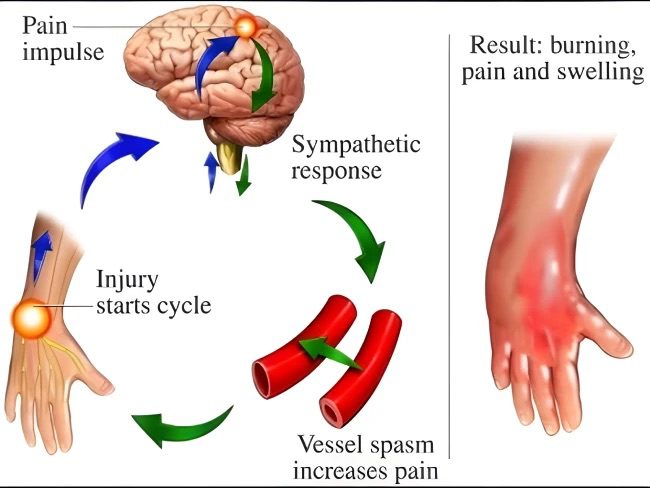
- Complex Regional Pain Syndrome (CRPS) is a condition that leads to severe pain and sensitivity in a single limb, typically following an injury or trauma. The condition is thought to be caused by damage to the small sensory and autonomic nerve fibres in the affected area.
- The most common symptoms include persistent pain, swelling, changes in skin colour, temperature sensitivity, and limited mobility of the affected limb.
- LLLT can effectively reduce inflammation, alleviate pain, and promote healing of the affected tissue, providing long-term relief without the side effects associated with medications.
- Conventional treatments may include medications, nerve blocks, and physical therapy, but these methods often only mask pain temporarily and do not address the underlying cause.
- LLLT is particularly effective for CRPS, which is typically localised to one extremity, and is used as part of a structured, medically supervised program.
- When traditional physical therapy hasn’t provided sufficient help, LLLT addresses the underlying inflammation and nerve dysfunction. It can improve blood flow, muscle tone, flexibility, strength, and function with certain exercises.
- At Laser Pain Therapy, all LLLT CRPS treatment is GP-led by Dr Shikha Parmar, with a structured treatment program tailored to each patient’s needs.
- LLLT has been scientifically proven to restore function, reduce inflammation, and improve outcomes in CRPS patients.
What is Complex Regional Pain Syndrome (CRPS)?
Complex Regional Pain Syndrome (CRPS) is a condition that typically develops after an injury or trauma to a limb, often affecting the extremities such as the arms, legs, hands, or feet. It is characterised by persistent, intense pain that is disproportionate to the initial injury.
In most cases, CRPS is caused by damage to the thinnest sensory and autonomic nerve fibres, which are responsible for transmitting pain, itch, and temperature sensations, and controlling small blood vessels. When these fibres are injured, they can become hypersensitive and overactive, causing prolonged pain and inflammation in the affected area. The condition is primarily driven by nerve injury, but external factors, such as immobilisation, stress, and infections, can contribute to its progression.
The pain from CRPS is often described as burning or throbbing and can be accompanied by swelling, skin colour changes, and temperature sensitivity. In severe cases, the affected limb may become immobile and lose functionality due to muscle weakness or atrophy.
Causes of Complex Regional Pain Syndrome (CRPS)
CRPS is usually triggered by an injury or trauma to the affected limb, such as:
- Nerve trauma: Injury to a nerve, particularly the sensory and autonomic fibres, is often the initiating factor for CRPS.
- Fractures or soft tissue injuries: Trauma such as fractures, sprains, or cuts can lead to the development of CRPS.
- Surgical procedures: In some cases, surgeries, especially those involving nerve manipulation, can trigger CRPS in the affected area.
- Infections or inflammation: Severe infections or chronic inflammation may also contribute to the development of CRPS.
- Immobilisation: Limiting the movement of the injured area during the healing process can sometimes trigger or exacerbate CRPS symptoms.
While the exact mechanism behind CRPS is not fully understood, it is thought to involve abnormal responses in the nervous system, which results in the amplification of pain signals and changes to the way the brain processes sensory input.
Common Symptoms
The symptoms of CRPS can vary in severity and may include:
- Persistent, burning pain that is often disproportionate to the injury.
- Sensitivity to touch or temperature, where even light touch or mild heat/cold can cause intense pain.
- Swelling and inflammation in the affected limb.
- Changes in skin colour (e.g., pale, red, or purple) and temperature (e.g., warm or cool to the touch).
- Decreased mobility or function in the affected limb, with difficulty moving the joints or muscles.
- Muscle atrophy or weakness due to reduced movement.
- Altered sweating patterns, with either excessive sweating or lack of sweating in the affected area.
How is Complex Regional Pain Syndrome Diagnosed?
Diagnosis of CRPS typically begins with a comprehensive clinical evaluation. Dr Shikha Parmar will assess the patient’s medical history, including any recent injuries or trauma, and the nature of the pain. A thorough physical examination will be performed to identify areas of swelling, skin changes, or abnormal responses to touch and temperature.
Imaging techniques such as X-rays, MRI, or bone scans may be used to rule out other potential causes of pain or to assess any structural damage. However, diagnosis is largely clinical and may involve the use of diagnostic criteria, such as the Budapest Criteria, to confirm the presence of CRPS.
CRPS Treatment
Why Choose Low Level Laser Therapy (LLLT) / Photobiomodulation Therapy (PBMT)?
Traditional treatments for CRPS often involve medications, nerve blocks, and physical therapy. While these treatments may provide temporary relief, they often do not address the underlying causes of nerve dysfunction or inflammation. Medications, such as painkillers and anti-inflammatories, can mask pain but do not promote tissue healing.
LLLT works by promoting tissue repair, reducing inflammation, and improving blood flow to the affected nerve and surrounding tissues. It is particularly effective for CRPS, as it targets the root cause of the condition by stimulating nerve regeneration and reducing hypersensitivity. LLLT also helps to restore flexibility, strength, and function by supporting the healing process.
At Laser Pain Therapy, we use LLLT/PBMT as a core treatment modality for CRPS, combined with rehabilitation support, to achieve long-term relief. The therapy is delivered through a structured, six-week program under the supervision of Dr Shikha Parmar.
How LLLT Works for CRPS Treatment
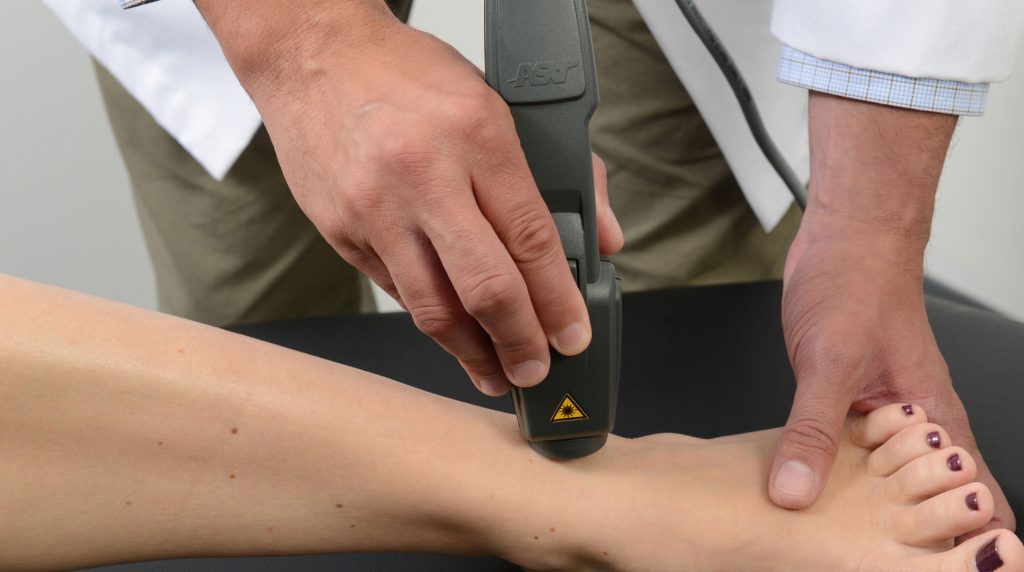
LLLT uses red and near-infrared light to stimulate healing at the cellular level. Studies have shown that these wavelengths promote tissue repair, reduce inflammation, and enhance circulation. LLLT works by:
- Improving blood flow and oxygenation of tissues, promoting faster healing.
- Reducing inflammation by addressing oxidative stress, a major cause of many musculoskeletal conditions.
- Enhancing lymphatic drainage to help eliminate waste products and toxins.
- Stimulating cellular energy (ATP) production to accelerate tissue repair and regeneration.
- Supporting nerve regeneration, improving the function of the affected limb.
Read how LLLT does this here.

Safe, Effective, and Drug-Free
LLLT is supported by over 700 randomised controlled trials and has been featured in more than 7,000 studies. It is used globally in clinics, hospitals, and sports institutions for its proven efficacy in reducing pain and promoting healing.
LLLT offers several benefits:
- Scientifically proven and evidence-based
- Non-invasive, painless, and drug-free
- No side effects, non-toxic, and promotes natural tissue regeneration
- Clinically proven to eliminate pain, restore function, and accelerate recovery
At Laser Pain Therapy, every patient is assessed by Dr Shikha Parmar to ensure the most appropriate treatment plan. All therapies are performed under direct medical supervision, ensuring the highest standard of care.
What to Expect
LLLT for CRPS aims to:
- Reduce pain and inflammation
- Promote healing of nerve and tissue damage
- Improve strength, flexibility, and function
- Support long-term recovery through rehabilitation
Treatment typically results in significant improvements in pain and function, helping patients return to their daily activities with reduced discomfort and enhanced mobility.
CRPS Treatment Plan
Our Low Level Laser Therapy (LLLT) program for upper back pain is structured, time-limited, and medically supervised by Dr Shikha Parmar. It aims to reduce pain, promote healing, and support a safe return to function.
Each patient receives a thorough assessment that considers not only the presenting condition, but also relevant health factors such as co-morbidities, medications, lifestyle, work, personal activity demands, and any nutritional deficiencies. This holistic approach allows us to tailor your care with LLLT at the core, supported by personalised advice.
Our standard treatment program includes:
- Up to 12 LLLT sessions, with a review after 6 to assess early progress
- Individualised advice for managing your injury and activity modification
- A guided rehabilitation and return-to-function plan to support long-term recovery
While outcomes vary, we typically expect a 15–20% improvement in pain or function within the first 6 sessions if the treatment is likely to be effective. If this threshold isn’t met – which is uncommon – we will reassess the treatment plan, and treatment is generally not continued. The number of sessions can be adjusted based on progress and discussed in detail with the patient.
If there is a treatment response after the 2 to 3 weeks, we recommend 6 further treatments, along with introducing our protocol of light and gradual graded rehab, to effect a path to resolution of perhaps up to 70 to 90% improvement in best case scenario. Ongoing treatment beyond an anticipated 12-treatment protocol is not required, as your own immune system will continue the healing process once laser therapy is withdrawn.
All treatment decisions are made collaboratively, keeping the patient’s progress, preferences, and medical context in mind.
Ready for Lasting Relief?
If you are suffering from Complex Regional Pain Syndrome or have not found lasting relief from other treatments, contact our experienced team at Laser Pain Therapy. Led by Dr Shikha Parmar, our clinic offers a safe, effective, and evidence-based solution to help reduce pain, improve function, and restore your quality of life.
Contact us today to arrange your consultation and take the first step towards recovery.
📍 Located in Melbourne
📞 (03) 8529 2225 Contact Us