Treatment of Coccyx Pain (Coccydynia) using LLLT/PBMT
Low-Level Laser Therapy (LLLT), also known as Photobiomodulation Therapy (PBMT), involves the application of red and near-infrared light to injuries to stimulate cellular repair. Led by Dr. Shikha Parmar, a GP with expertise in the management of chronic musculoskeletal pain, Laser Pain Therapy incorporates LLLT as part of a holistic treatment plan. LLLT is a highly effective, painless, and completely safe treatment available in Melbourne, Victoria. By treating the underlying cause of the injury, LLLT reduces inflammation and promotes tissue regeneration. Supported by scientific research from respected institutions such as Harvard University and NASA, LLLT is an evidence-based therapy for soft tissue injuries, including all causes of coccyx pain.
Gentle. Drug-Free. Clinically Proven
Key Points
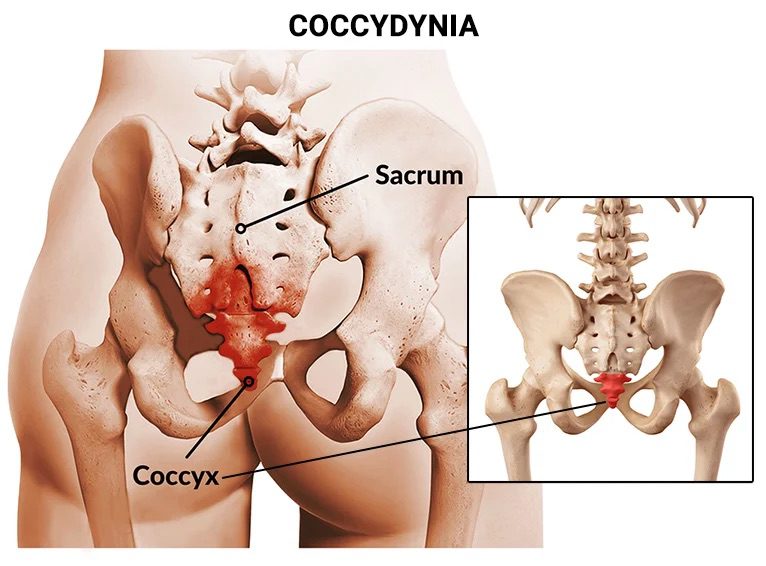
- Coccydynia, or coccyx pain, involves pain and inflammation at the tailbone
- Common causes of coccyx pain include prolonged sitting, childbirth, repetitive stress, injury from falls or trauma, and poor posture.
- Symptoms include pain when sitting, difficulty standing up after sitting, and tenderness in the tailbone area.
- Conventional treatments such as rest, ice, pain medications, or corticosteroid injections may offer short-term relief but often do not address the root cause of the pain.
- Low-Level Laser Therapy (LLLT) is a highly effective, non-invasive coccyx pain treatment option. It reduces inflammation, promotes healing, and alleviates discomfort without mechanical stress.
- LLLT helps relieve muscle spasms that can spread to the lower back and hips, often associated with coccyx pain, and promotes healing of soft tissues.
- LLLT is a primary treatment for managing chronic coccyx pain where inflammation and micro-trauma persist.
What is Coccydynia (Coccyx Pain)?
Coccydynia refers to pain and inflammation at the tailbone (coccyx), usually caused by trauma or prolonged sitting. It can lead to strain and related inflammation in the muscles, ligaments, and joints around the coccyx. The pain can be sharp or aching and is often worsened by sitting, especially on hard surfaces.
Causes and Risks Factors
Several factors contribute to the development of coccyx pain, including:
- Prolonged Sitting: Sitting for long periods, especially on hard or uncomfortable surfaces, can increase pressure on the coccyx.
- Trauma: Falls, especially landing directly on the tailbone, can result in bruising, fractures, or dislocation of the coccyx.
- Childbirth: The pressure of childbirth can sometimes lead to coccyx pain, especially if the tailbone is overstretched or injured during delivery.
- Poor Posture: Incorrect posture while sitting or standing can place strain on the coccyx, leading to pain.
- Repetitive Stress: Certain activities that involve repetitive pressure on the tailbone, such as cycling, can contribute to coccyx pain.
- Degenerative Changes: In some cases, age-related changes or wear and tear in the joints and ligaments around the coccyx can contribute to pain.
Sometimes the cause is unexplained.
Symptoms
Symptoms of coccyx pain may include:
- Pain when sitting: Especially on hard or unsupported surfaces.
- Tenderness at the tailbone: Pain when pressure is applied to the coccyx.
- Pain when standing up from a sitting position: Difficulty or discomfort when rising after prolonged sitting.
- Stiffness or aching: Often felt at the base of the spine, especially after prolonged periods of rest or inactivity.
- Discomfort during movement: Pain may intensify with activities such as walking, bending, or squatting.
How is Coccydynia Diagnosed?
Diagnosis of coccyx pain is typically clinical, based on a thorough medical history and physical examination. Dr Shikha Parmar will assess:
- History: Including any recent falls, trauma, or long periods of sitting.
- Physical Examination: Palpation of the coccyx area to check for tenderness, swelling, or abnormal alignment.
- Imaging: In some cases, X-rays or MRI scans may be used to rule out fractures, dislocations, or other structural issues.
Coccyx Pain – Treatment Overview
Low Level Laser Therapy (LLLT), also known as Photobiomodulation Therapy (PBMT), is a gentle, evidence-based treatment that targets the underlying cause of coccyx pain: persistent inflammation, ligament strain, and soft tissue irritation around the tailbone. It promotes healing without mechanical stress to this sensitive region.
Why Choose Low Level Laser Therapy (LLLT)?
Many patients present after limited relief from rest, cushions, pain medication, or corticosteroid injections. These approaches may temporarily ease symptoms but often fail to address deeper tissue inflammation and may contribute to muscle weakness or delayed healing. LLLT is particularly helpful where inflammation and micro-injury persist, and where excessive pressure or loading may aggravate symptoms.
Why ice, anti-inflammatories, cortisone, and PRP may not support long-term recovery. Read more here.
How LLLT Supports Healing
LLLT uses red and near-infrared light to restore balance to the inflammatory process and stimulate nerve and soft tissue repair by:
- Improving circulation and oxygenation
- Enhancing lymphatic drainage
- Reducing inflammation and oxidative stress
- Increasing cellular energy (ATP)
- Supporting ligament, muscle, and soft tissue regeneration
All without loading or stressing the coccyx.
Proven, Safe, and Effective
It is non-invasive, painless, and supported by extensive clinical research. Read more here.
See how LLLT helps restore the cellular environment needed for repair here.
Our Treatment Program
All patients are assessed by Dr Shikha Parmar (GP). Treatment is delivered within a structured six-week program, including:
- Up to 12 LLLT sessions
- Review after 6 sessions
- Individualised advice and activity modification
- Guided rehabilitation for durable recovery
Patients who respond typically show 15–20% improvement within the first 6 sessions, with best-case improvement of 70–90% over the full program.
View the full treatment protocol and expected outcomes here.
Ready for Lasting Relief?
If you’re dealing with persistent coccyx pain, contact our experienced team to learn how LLLT can offer you a lasting solution to restore your comfort, mobility, and quality of life, safely and effectively.
Contact us today to arrange your consultation and take the first step towards recovery.
📍 Located in Melbourne
📞 (03) 8529 2225 Contact Us